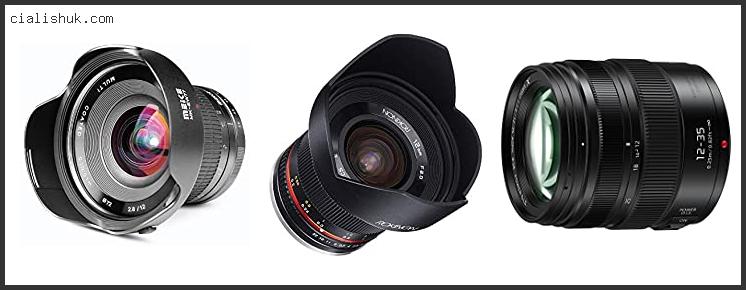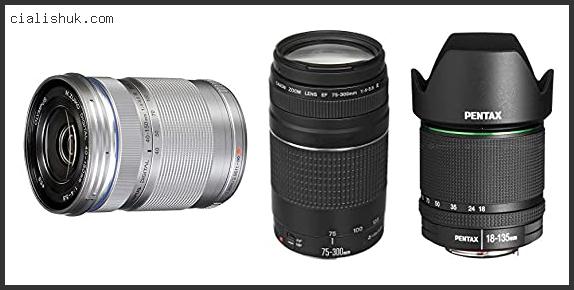
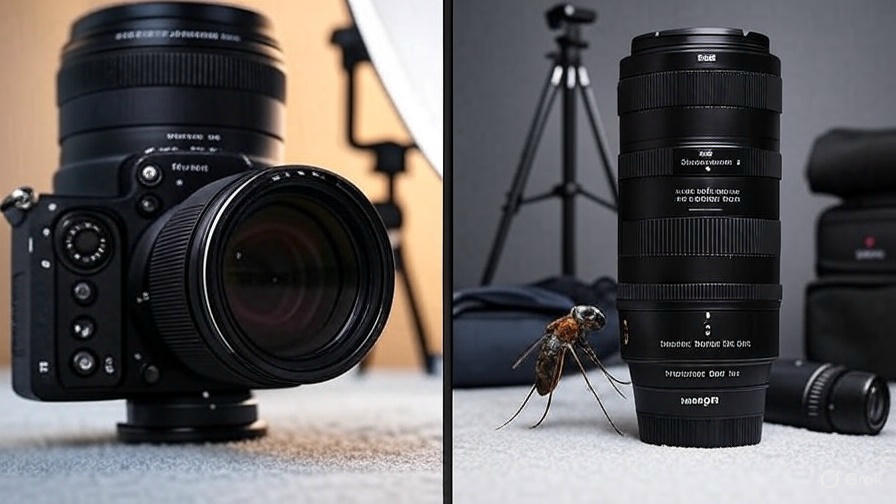
Finding the right lens can make or break a photograph. This guide will help you navigate the options for the best 100mm mc third party lens for Nikon Z8, covering everything from image quality to build and price. We’ll explore various options and help you find the perfect fit for your photography needs.
Understanding the Nikon Z8 and 100mm Macro Lenses
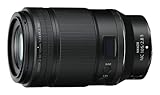
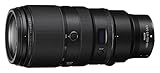
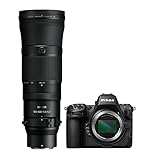


Nikon NIKKOR Z 100-400mm VR S | Premium versatile telephoto zoom lens with image stabilization for Z series mirrorless cameras (compatible with teleconverters) | Nikon USA Model
- Camera compatibility: Compatible with FX and DX format Nikon Z series mirrorless (100mm-400mm on an FX format Z camera), (150mm – 600mm on a DX format Z camera).
- Vibration Reduction: Achieves up to 5.5 stops of compensation*. On full-frame Z cameras like Z 5, Z 6, Z 6II, Z 7 or Z 7II, it stabilizes with 5-axis. And on DX-format cameras like Z 50 or Z fc, it stabilizes with 2-axis optical VR.*Based on CIPA Standard; in NORMAL mode; this value is achieved when attached to a mirrorless camera equipped with a 35mm film size image sensor, and when zoom is set to the maximum telephoto position.
- Autofocus: Two high-speed STM stepping motors move in sync with each other in near silence for thrilling close focusing, edge-to-edge sharpness and virtually no color bleeding or focus breathing.
- Teleconverter compatibility: The NIKKOR Z 100-400mm f/4.5-5.6 VR S is compatible with the 1.4x and 2x Z series teleconverters. Increase your reach to 560mm or 800mm (respectively) with outstanding resolution, no loss of focus points and very little extra weight or length.

Nikon NIKKOR Z MC 105mm f/2.8 VR S | Professional macro prime lens for Z series mirrorless cameras | Nikon USA Model
- Extraordinary Macro Lens | Reveal hidden worlds and thrilling details in life-size 1:1 magnification
- Advanced Optical Design | Nikon’s next-generation S-Line optics achieve new levels of sharpness, contrast and clarity with virtually no distortion or aberrations
- Bright f/2.8 Maximum Aperture | Shoot in a wide range of lighting conditions and use shallow depth of field to make your subjects stand out against beautifully blurred backgrounds
- Versatile Working Distance | 105mm offers enough reach to fill your frame with small insects and nature from a comfortable distance
- Stabilization Vibration Reduction (VR) | Shoot handheld photos and videos without causing camera blur

Nikon NIKKOR Z 70-200mm f/2.8 S | Professional large aperture telephoto zoom lens for Z series mirrorless cameras | Nikon USA Model
- At 70mm, focus can be achieved as close as 0. 5m from the subject
- Lens utilizes standard 77mm filter thread
- Lens offers customizable Function buttons and control ring for versatility
- Optical Zoom: 2.9
Why a 100mm Macro Lens?
The Nikon Z8, a powerhouse mirrorless camera, deserves a lens that matches its capabilities. A 100mm macro lens, often referred to as a 1:1 macro lens, is a fantastic choice for many reasons. The 100mm focal length provides a good working distance, preventing you from casting a shadow on your subject while still allowing for significant magnification. This makes it ideal for close-up photography of insects, flowers, small products, or even detailed textures. The “macro” designation signifies its ability to reproduce the subject at life-size (1:1 magnification), meaning the image sensor captures the subject at its actual size. This level of detail opens up a world of creative opportunities for photographers.
Consider the intricate details of a butterfly’s wing or the delicate veins of a flower petal. A 100mm macro lens allows you to capture these minuscule features with stunning clarity and sharpness, something simply not possible with standard lenses. The working distance, often overlooked, is crucial for macro photography, particularly when working with living subjects. A longer focal length, like 100mm, provides space, reducing the risk of disturbing insects or other sensitive subjects during the shoot. This is vital for natural, un-influenced macro shots.
The “mc” designation, which sometimes appears, usually refers to multi-coated elements within the lens. This multi-coating significantly improves light transmission and reduces flare and ghosting, especially important in close-up photography where backlighting situations are common. In summary, a 100mm macro lens delivers exceptional image quality, manageable working distance, and reduced lens artifacts making it the ideal complement to the advanced capabilities of the Nikon Z8.
Third-Party Lenses: Advantages and Considerations
While Nikon produces excellent lenses, exploring third-party options opens up a world of possibilities. Third-party manufacturers like Sigma, Tamron, and Tokina often offer lenses with comparable image quality at more competitive prices. This affordability factor can be a deciding factor for many photographers, especially those just starting with macro photography or those on a tighter budget. However, it’s crucial to research thoroughly before buying. Image quality might vary slightly across brands and models, with some demonstrating stronger performance in certain areas like sharpness, color rendition, or bokeh (the aesthetic quality of the blur in out-of-focus areas of an image).
Another critical aspect is build quality. Some third-party lenses might use less robust materials or have less sophisticated autofocus mechanisms compared to their Nikon counterparts. While this is not always the case, it’s vital to check reviews and compare specifications carefully. Features like weather sealing, dust resistance, and autofocus speed should also be considered. Weather sealing is particularly important if you plan on shooting outdoors in diverse conditions. For instance, shooting macro images in damp environments necessitates a lens designed to withstand moisture and dust to prevent internal damage. Furthermore, autofocus speed is critical for capturing sharp images of moving subjects, which may be important when photographing insects or other small, quickly moving creatures.
Finally, consider the lens mount compatibility. Ensure the lens you choose has a Nikon Z mount to fit your Nikon Z8 seamlessly. Some third-party lenses offer additional features like image stabilization (IS), which can be beneficial for handheld macro photography. The choice of a third-party lens requires a balanced approach. You need to weigh cost savings against potential compromises in build quality, or autofocus performance, depending on your budget and photographic needs.
Top Third-Party 100mm Macro Lens Choices for Nikon Z8


Sigma 105mm f/2.8 DG DN Macro Art Lens
Sigma is a renowned third-party lens manufacturer known for its high-quality optics. Their 105mm f/2.8 DG DN Macro Art lens (note that it’s 105mm, not 100mm, but very close and a common alternative) is a popular choice among Nikon Z8 users. The “Art” line signifies Sigma’s commitment to superior image quality and optical performance. This lens consistently delivers stunning sharpness, vibrant color reproduction, and beautiful bokeh. Its fast f/2.8 maximum aperture allows for excellent low-light performance and shallow depth of field, beneficial for isolating subjects and creating professional-looking macro shots. The relatively fast aperture allows photographers to work with shorter shutter speeds and still achieve clear images, especially when capturing moving subjects in low light.
The lens boasts exceptional build quality, with a weather-sealed design that protects it from dust and moisture. The autofocus is also remarkably fast and accurate, ensuring sharp focus even with close-up subjects. Its robust construction ensures it can withstand the rigors of frequent use and diverse shooting conditions. The robust build quality, combined with weather sealing, makes it a perfect companion for outdoor adventures. Many professional photographers, especially macro specialists, appreciate the combination of superior image quality, fast autofocus, and weather sealing offered by this lens. You can expect consistent, high-quality results that meet the demands of professional work.
Compared to the Nikon Z 105mm macro, the Sigma offers a compelling price-to-performance ratio. It often comes in significantly less expensive, making it a financially sensible choice for many enthusiasts and professionals. However, it’s worth noting that while very good, the Sigma lens’ performance may not be exactly identical in every aspect to a premium Nikon lens. Overall, the Sigma 105mm f/2.8 DG DN Macro Art lens is a strong contender for the best 100mm mc third party lens for Nikon Z8, providing an excellent balance of image quality, features, and affordability.
Tamron 90mm f/2.8 Di III RXD Macro Lens
Tamron is another reputable third-party manufacturer offering competitive macro lenses. Their 90mm f/2.8 Di III RXD Macro lens is a compact and lightweight option. While slightly shorter than 100mm, the focal length remains well-suited for macro photography, providing a good balance between magnification and working distance. This lens stands out for its remarkably compact and lightweight design, making it highly portable for photographers who like to travel light. It’s a perfect choice for photographers who appreciate minimal weight and bulk without compromising image quality. Compact size often translates to greater maneuverability, especially in tight spaces.
The lens incorporates a fast f/2.8 maximum aperture, which allows for better low-light performance and control over depth of field, mimicking some of the strengths of the Sigma lens. The RXD (Rapid eXtra-silent stepping Drive) autofocus motor is known for its quiet and quick operation, making it ideal for shooting delicate subjects without disturbing them with loud motor noises. The quiet operation is a huge advantage when shooting wildlife or other sensitive subjects that could be easily startled by noisy focusing.
While not as feature-rich as some other options, this Tamron lens offers a solid blend of performance and portability. Its smaller size and weight might be a deciding factor for photographers prioritizing mobility. However, it may not offer the same level of weather sealing or build quality as some of its more expensive competitors. Therefore, if durability and weather resistance are top priorities, a more ruggedly built lens might be a better investment. Despite these minor drawbacks, the Tamron lens still delivers excellent image quality, making it a worthy contender in the best 100mm mc third party lens for Nikon Z8 category.
Factors to Consider When Choosing Your Lens
Image Quality and Sharpness
The most crucial factor is image quality. Look for lenses with high resolution, excellent sharpness across the frame, and minimal distortion. Read reviews that discuss sharpness at various apertures and distances. Independent reviews from reputable sources can provide unbiased assessments of lens performance across different parameters. You can often find sample images online to help evaluate sharpness and image quality firsthand.
Sharpness is especially critical for macro photography, where every detail matters. A sharp lens ensures that even the finest textures and details are captured with crystal clarity. Consider checking the MTF (Modulation Transfer Function) charts, technical data often provided by manufacturers. The MTF chart represents the lens’s ability to reproduce contrast across different frequencies, providing a quantitative measure of sharpness.
Another aspect of image quality is color rendition. A well-designed lens should provide accurate and vibrant colors without any color fringing or aberrations. In macro photography, accurate color representation is essential for faithfully capturing the colors of a subject. Many photographers carefully examine sample images to evaluate how well the colors are reproduced before buying a new lens. Therefore, ensuring the lens delivers consistently accurate and vibrant colors across the entire image is crucial for achieving professional-looking macro photos.
Autofocus Performance and Speed
For macro photography, especially of moving subjects like insects, a fast and accurate autofocus system is essential. A slow or inaccurate autofocus can mean missing crucial shots, especially when trying to capture fast-moving small subjects. The autofocus speed and accuracy can vary significantly between lenses and manufacturers, so it’s worth checking reviews and comparing different models. Look for lenses that use advanced autofocus motor technology, ensuring that the lens can quickly and precisely lock onto your subject.
The technology behind autofocus systems has advanced rapidly, resulting in better performance and speed. Features such as predictive autofocus can dramatically improve the success rate when shooting moving subjects. For macro photography, particularly with insects, a high-speed autofocus system is crucial to capture clear and sharp images of these fast-moving creatures. Real-world testing of the autofocus performance, using diverse subjects and shooting conditions, is an excellent way to assess its capabilities before purchasing.
A further consideration is the autofocus system’s ability to focus accurately at various distances and apertures. Many modern lenses offer advanced features to improve focusing accuracy. For example, some lenses might include improved algorithms for object tracking or specific macro focusing modes. Consider reviewing features like “full-time manual focus override,” which helps maintain control over the focus even when using autofocus mode. This function can be particularly useful in macro photography where precise focus adjustments are crucial.
Build Quality and Durability
Macro lenses, especially those used frequently in the field, need to be durable and well-built. Look for lenses with robust construction, weather sealing, and features that protect them against dust and moisture. Robust construction includes durable materials, shock resistance, and well-protected internal mechanisms. These are key factors for lenses that may be exposed to rough handling, environmental conditions, or even accidental drops.
Weather sealing, a feature often found in higher-end lenses, helps protect the lens from rain, dust, and moisture. Weather sealing, though not always essential, can significantly increase the lifespan and reliability of the lens. Consider if this is a significant factor for your shooting environment. For instance, a photographer often shooting outdoor macro images in variable weather conditions would greatly value this feature.
Another factor is the lens’s overall weight and size. While a heavier lens may feel more robust, a lighter lens is more comfortable for extended periods of use. Lightweight lenses are easier to carry and maneuver, especially during hikes or travel. The balance between weight, size, and robustness must be tailored to individual needs and preferences. For example, someone who does extensive hiking would prioritize a lightweight lens even if it meant sacrificing some level of robustness.
Budget and Value for Money
Balancing Price and Performance
The price of macro lenses varies significantly depending on brand, features, and optical performance. Setting a budget is crucial before starting your search. While high-end lenses often offer superior performance and features, some budget-friendly options provide excellent value for money. Consider comparing the specifications and reviews of several lenses within your budget to find the best balance of price and performance.
Factors such as image quality, autofocus speed, and build quality all contribute to the overall value proposition of a lens. Therefore, a careful evaluation of these factors is needed when comparing lenses at different price points. For instance, a slightly more expensive lens might justify its higher price by offering significantly better image quality or autofocus performance.
Don’t only look at the initial price of the lens. Consider factors such as the lens’s long-term durability, reliability, and the potential need for repairs or replacements. A lens with better build quality, even at a slightly higher initial cost, may prove to be a more cost-effective choice in the long run. In evaluating value, a holistic perspective accounting for the lens’s lifecycle cost is essential.
Exploring Used Lens Markets
Buying a used lens can be a great way to save money while still getting a high-quality product. Several reputable online marketplaces and camera stores sell used lenses. However, carefully inspect the lens’s condition and functionality before making a purchase. A pre-owned lens can often offer significant cost savings without much compromise in performance. However, it’s crucial to proceed cautiously when purchasing a used lens. A thorough inspection is essential.
It’s advisable to inspect the lens physically or request detailed images before purchasing a used lens. Checking for scratches, fungus, or other damage is crucial. Inspect the lens’s autofocus and image stabilization mechanisms to ensure proper functionality. Always buy from a reputable seller who offers a return policy.
Many reputable sellers offer warranties or return policies on used lenses. These safeguards can offer a measure of protection against unforeseen issues after purchase. Thoroughly reading the terms and conditions of the sale, including the warranty or return policy, is essential before making a final decision. This due diligence helps ensure that the purchase of a used lens doesn’t carry excessive risk.
Accessorizing Your Macro Photography Setup
Tripods and Stabilizers
For sharp macro shots, especially at higher magnifications, a sturdy tripod is highly recommended. Even minor camera shake can significantly affect image quality in macro photography, where depth of field is usually very shallow. A stable tripod ensures that the camera remains completely still throughout the exposure. Consider tripods designed for stability and precise adjustments.
The tripod’s stability is paramount in macro photography. Heavy, sturdy tripods with robust locking mechanisms are ideal for ensuring minimal vibration during exposures. The tripod’s head should also allow for fine adjustments to precisely frame the image. Features like ball heads or geared heads enable photographers to precisely position the camera for optimal composition and sharp focus.
Other accessories can aid in stabilization. Remote shutters reduce the risk of camera shake caused by manually pressing the shutter button. Using a remote shutter reduces vibrations considerably, especially in long exposures which are often required in macro photography. Furthermore, using mirrors or other creative techniques for stabilization can assist in achieving sharp images, particularly in challenging environments.
Lighting Solutions
Proper lighting is crucial for macro photography. Natural light is often ideal but isn’t always controllable. Consider using external flashes or speedlights to ensure you have consistent and accurate illumination. External flashes, speedlights, or other lighting sources can provide supplemental or even primary light for macro photography. These are especially important for controlling the lighting’s direction, intensity, and color temperature. Adequate lighting helps to reveal the intricate details and textures in macro images.
Diffusers help to soften harsh lighting and eliminate shadows. Diffusers help to spread the light evenly across the subject and prevent overexposure or harsh shadows in macro photography. Careful selection of lighting equipment, along with its setup and positioning, is vital for successful macro photography.
Various lighting techniques, such as backlighting, side lighting, or ring flashes, can be used to enhance the image’s mood and highlight various aspects of the subject. Different lighting techniques help to highlight different features, enhance the subject’s three-dimensionality, and create different moods and aesthetics in the final image. Experimentation with various lighting sources and techniques can greatly improve the quality and style of macro images.
Software and Post-Processing
Essential Software for Macro Editing
Post-processing is an essential part of macro photography. Software like Adobe Lightroom and Photoshop allows for detailed adjustments to sharpness, contrast, color, and other image parameters. These software applications provide comprehensive tools for enhancing macro images and correcting various imperfections. Image editing is important to further refine the macro photos to highlight details and enhance the overall aesthetic.
Other software options, such as Capture One or Luminar, offer similar functionalities. The choice of software often depends on personal preferences and workflow. These programs provide a wide range of features for adjusting various image aspects, including sharpness, contrast, and colors, as well as correcting lens distortions or other imperfections.
Specialized software or plug-ins might offer advanced tools specific to macro photography. These might include features designed to enhance image sharpness or clarity, correct specific lens distortions prevalent in macro photography, or provide more control over fine details. The choice of software should be aligned with personal preferences and the specific needs of macro editing.
Frequently Asked Questions
What is the best 100mm mc third party lens for Nikon Z8 best for?
A 100mm macro lens, whether from a third party or Nikon, is best suited for close-up photography of small subjects, such as insects, flowers, and small objects. The 1:1 magnification allows for incredibly detailed images, making it a favorite among nature and product photographers. Learn more about macro photography techniques.
What are the differences between Nikon and third-party 100mm macro lenses?
Nikon lenses are generally considered to have top-tier image quality and build but can be more expensive. Third-party lenses often offer comparable image quality at a lower price, but build quality and features can sometimes differ. It’s important to compare specific models to see which best meets your needs and budget.
How important is weather sealing in a macro lens?
Weather sealing is essential if you frequently shoot outdoors in challenging conditions. It protects the lens from rain, dust, and moisture, extending its lifespan and ensuring reliable performance even in less-than-ideal weather. However, if you primarily shoot indoors, it might be a less critical factor.
What is the typical price range for a good 100mm third-party macro lens?
Prices vary significantly based on brand and features. You can find good quality third-party lenses starting from around $500, while higher-end models can exceed $1000. The price-to-performance ratio is essential when choosing a lens. Compare different options within your budget to find the best deal.
Are third-party lenses as good as Nikon lenses?
Many third-party lenses offer image quality comparable to Nikon lenses, particularly in the macro segment. However, Nikon lenses usually have superior build quality and features. The best choice depends on your priorities – image quality, price, or features.
What other accessories should I consider for macro photography?
A sturdy tripod is essential for sharp images. Consider external lighting solutions like speedlights or ring flashes for better control over illumination. And finally, invest in reliable image editing software like Adobe Lightroom or Photoshop for post-processing.
Final Thoughts
Choosing the best 100mm mc third party lens for Nikon Z8 requires careful consideration of your individual needs and budget. This in-depth guide should equip you to make an informed decision. Whether you opt for the Sigma 105mm f/2.8 or the Tamron 90mm f/2.8, remember that the best lens is the one that consistently delivers the results you envision. Don’t hesitate to explore user reviews, compare specifications, and even try out lenses before committing to a purchase. Remember, the perfect macro lens will dramatically improve the quality and creativity of your close-up photography. Elevate your macro game today!