The Samyang 135mm f/1.8 is the strongest choice, while true vintage 135mm lenses offer lower-cost manual focus.
Many photographers want the reach and soft background of a 135mm lens, but newer models can cost far more than expected. A budget of $300 makes the search harder, especially if you want a vintage lens with strong image quality. I reviewed the available options with a focus on focal length, mount fit, handling, low-light use, image character, and real buying value. One pick is a true 135mm autofocus lens, while the other is a close-up filter kit rather than a 135mm lens, so buyers should understand the difference before ordering.
See the differences between my top picks at a glance.
Samyang 135mm f/1.8 AF for Sony FE
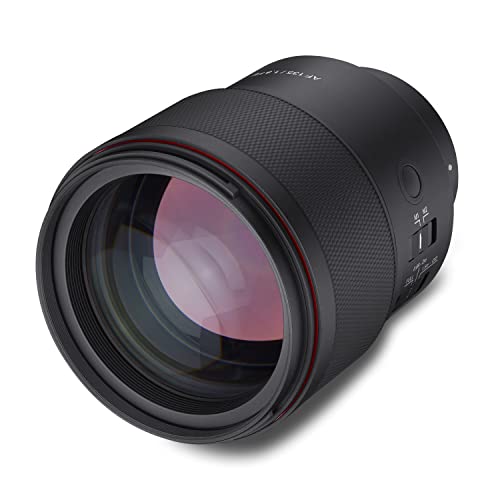
The Samyang 135mm f/1.8 AF is the most capable photography product in this comparison. It uses a long portrait focal length and a wide f/1.8 aperture. That mix helps create strong subject separation and a soft background. It also gives the lens useful low-light ability for portraits, indoor work, stage photos, and outdoor sessions near sunset.
This is a Sony FE lens, so it is designed for Sony full-frame mirrorless cameras with an E-mount. It can also work on many Sony APS-C E-mount bodies, where the view becomes tighter. The lens is not a vintage design, and its price may sit above the $300 target depending on the current listing. Still, it is the clear performance choice for buyers who value autofocus and modern optical design.
In real use, a 135mm lens gives a narrow view. That view works well when I want to isolate a face, flower, pet, or distant subject. It also helps me keep some distance from people, which can make portraits feel more natural. The long focal length does require room to step back, so it is less useful in small rooms or tight street scenes.
The f/1.8 aperture is the main reason to consider this model. A wide aperture lets in more light than a typical budget zoom. It can also create a shallow depth of field. At close portrait distance, the focus area may become very thin, so careful focus on the nearest eye matters. A smaller setting, such as f/2.8 or f/4, may help when I need more of the face to look sharp.
The autofocus system is another major benefit over most vintage 135mm lenses. Manual-focus lenses can create lovely images, but they demand time and care. The Samyang gives modern camera users a faster way to capture moving people and changing moments. Autofocus results still depend on the camera body, subject contrast, light, and camera settings.
The lens also suits photographers who want a strong portrait look without buying a premium first-party lens. Its long reach compresses the background and can produce a flattering perspective when used at a sensible distance. That does not mean every image will look perfect. Lighting, distance, focus, and background choice still matter more than the name on the lens.
Pros:
- True 135mm focal length for portraits and subject isolation
- Wide f/1.8 aperture for low-light work and background blur
- Autofocus is easier for moving subjects than vintage manual-focus lenses
- Designed for Sony FE full-frame mirrorless cameras
- Useful reach for outdoor portraits, events, and stage photography
- Modern design offers a more familiar workflow for digital camera users
- Strong choice for photographers who want a fast portrait prime
Cons:
- It is not a vintage lens, so it may not suit buyers seeking classic rendering
- The price can be higher than $300, depending on the current Amazon listing
- 135mm is difficult to use in small rooms or crowded spaces
- A fast aperture creates a very narrow focus area at close distance
- It may feel large or heavy compared with older manual-focus lenses
What Amazon Buyers Are Saying
Buyer feedback for modern 135mm autofocus lenses often centers on the same practical points: sharp portraits, strong subject separation, useful autofocus, and good results in lower light. Shoppers who understand the focal length tend to value the working distance and compressed look. Many also like having a fast prime for portraits instead of relying on a slower zoom.
The most common concerns in this class involve size, weight, price, and autofocus behavior in difficult light. Some buyers expect instant focus in every situation, but long lenses can need more care when the subject has low contrast or moves quickly. Amazon shoppers should read the current review page and confirm the exact mount, included items, seller, warranty terms, and live price before purchase.
My Recommendation
I recommend the Samyang 135mm f/1.8 AF when image quality, autofocus, and low-light performance matter more than vintage character. It is not a strict under-$300 vintage solution, so I would buy it only if the current price fits your budget. For Sony FE users who want a serious portrait lens, it offers much more speed and convenience than most older manual-focus options.
55mm Close-Up Filter Set for Sony Lenses

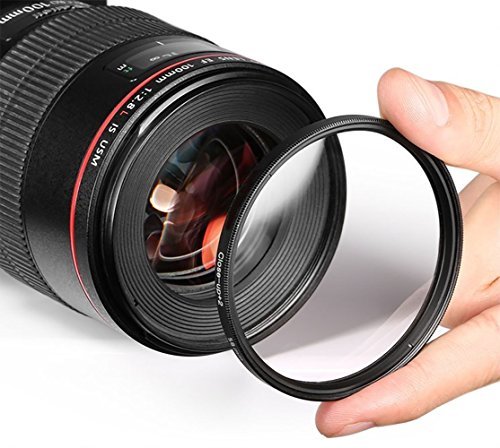
The 55mm Close-Up Filter Set is not a 135mm lens. It is a set of screw-on magnification filters with +1, +2, +4, and +10 diopter strengths. The filters attach to compatible lenses with a 55mm front filter thread. They can help a standard lens focus closer, which makes them useful for flowers, coins, small products, insects, and other near subjects.
I included this product because it may appear in searches related to Sony lenses and budget close-up photography. It should not be confused with a vintage 135mm lens. It does not provide a 135mm focal length, and it cannot turn every lens into a true 135mm portrait prime. Buyers should check the front thread size on their lens before ordering.
The main benefit of a close-up filter set is its low cost and simple design. I can carry several strengths and choose one based on the subject size and working distance. A weaker filter usually feels easier to use. A stronger filter can create more magnification, but it also reduces the practical focus range and makes small camera movements more visible.
These filters work best when I treat them as a learning tool rather than a replacement for a dedicated macro lens. I may need to move the camera forward or backward to find focus. A tripod, good light, and a steady subject can make a large difference. Manual focus or careful autofocus testing may also help, since the filter changes how the camera lens focuses.
The set can suit a Sony user who owns a compatible 55mm lens and wants to explore close-up work. It can also help a beginner learn about magnification without committing to an expensive macro lens. However, the result depends on the lens under the filter. A basic lens may show softer edges or more visible flaws at high magnification.
One useful point is flexibility. I can remove the filter when I want normal photography, then add it for a close subject. The kit takes little room in a camera bag. It may be a better buy for creative experiments than for professional product work where edge detail, flat-field performance, and repeatable focus matter.
Pros:
- Includes several magnification strengths for different close-up needs
- Can add macro-style capability to a compatible 55mm lens
- Lower cost than buying a dedicated macro lens
- Compact and easy to carry in a small camera bag
- Useful for flowers, coins, crafts, food, and small products
- Lets beginners experiment with close-up photography
- Filters can be removed when normal lens use is needed
Cons:
- It is not a 135mm lens or a vintage portrait lens
- It only fits lenses with a compatible 55mm filter thread
- Strong diopters can make focusing and framing difficult
- Image quality may vary across different host lenses
- It does not provide the same control as a dedicated macro lens
What Amazon Buyers Are Saying
Feedback on close-up filter kits usually reflects ease of use, low cost, and the fun of adding macro-style effects to an existing lens. Buyers who use the filters on suitable subjects often like the range of strengths. Many beginners appreciate that they can try close-up photography without buying another camera lens.
The most important complaints tend to involve fit, focus range, and expectations. A filter with the wrong thread size will not attach correctly. Stronger filters also require more careful positioning. Amazon buyers should review the current product page, confirm the 55mm thread requirement, and understand that this is a close-up accessory rather than a 135mm lens.
My Recommendation
I recommend this kit only for buyers who want inexpensive close-up experiments and already own a compatible 55mm lens. I do not recommend it as the best 135 mm vintage lense under 300 because it does not meet that product category. Its value is reasonable for casual macro-style work, but buyers seeking portrait reach should choose a true 135mm lens instead.
How to Choose the Best 135 mm Vitage Lense Under 300
Choosing the best 135 mm vitage lense under 300 takes more care than checking the focal length alone. Older lenses can offer a pleasing look, solid metal bodies, and low prices. Yet each used lens may show different wear. I would check the mount, glass, aperture, focus ring, and seller policy before placing an order. I would also confirm whether the lens works with my camera through a direct mount or an adapter.
1. Confirm the Mount and Adapter Path
Mount fit comes first. A 135mm lens made for Canon FD, Minolta SR, Nikon F, Pentax K, M42, or another older mount will not attach directly to every modern camera. Some mirrorless cameras accept simple mechanical adapters. DSLR systems may need a different adapter, and some combinations can affect infinity focus.
Before buying, I check the exact camera model and lens mount. I also check whether the adapter supports a simple manual connection or includes extra optical glass. A basic adapter often keeps the original character of the lens. An optical adapter may change image quality, focal behavior, or brightness. The product listing should state the mount clearly. If the seller uses vague words such as “fits many cameras,” I treat that as a warning.
For Sony E-mount users, a vintage lens can be a good match because mirrorless bodies make manual focusing easier. Focus magnification and focus peaking can help. Still, these tools do not fix a wrong adapter or a stiff focus ring. The camera must also be set to release the shutter without electronic lens contacts if the lens has no digital communication.
2. Inspect Glass, Focus, and Aperture Condition
Vintage lens condition matters more than age. Small marks on the outer body may not affect photographs. Haze, fungus, deep scratches, oil on the aperture blades, or heavy separation can cause serious problems. I look for clear photos of the front and rear glass. I also read the condition notes instead of relying only on a product title.
The focus ring should turn with smooth, even resistance. A slightly firm ring can feel pleasant. A gritty or stuck ring may point to damage or dried grease. The aperture ring should click through its settings if the lens uses click stops. The blades should open and close without oil. Oil can slow the blades and may lead to exposure problems.
At 135mm, camera shake becomes easy to see. A smooth focus ring helps me make small adjustments. A working aperture gives me control over sharpness and background blur. I would rather buy a clean, fully working lens at a fair price than chase the lowest possible listing with unclear condition.
3. Match the Lens Character to Your Work
A vintage 135mm lens can work well for portraits, outdoor details, sports practice, flowers, pets, and distant subjects. It may create lower contrast, flare, or softer edges than a modern lens. Many photographers enjoy those traits. Others want crisp detail and fast autofocus. I decide which result I want before buying.
Manual focus suits calm subjects and patient shooting. It can be slower for children, pets, events, and moving subjects. A modern autofocus lens may cost more, but it saves time. The Samyang 135mm f/1.8 AF is the better practical option for Sony users who value speed. It is not a vintage lens and may not remain under $300, so the current price must guide the final choice.
Aperture also shapes the buying decision. Many vintage 135mm lenses use apertures around f/2.8 or f/3.5. Those settings can still produce attractive images in daylight. A faster f/2 or f/1.8 lens gives more light and stronger background separation, but it may cost more. A slower lens may be smaller, lighter, and easier to find within a strict budget.
I also consider the camera sensor. On a full-frame body, 135mm gives the classic long portrait view. On an APS-C body, the view becomes tighter. That can help with distant subjects, but it also demands more working space. The crop factor does not change the physical focal length, yet it changes the field of view in the final image.
Vintage 135mm Lens Buying Tips for Amazon Shoppers
Amazon listings can mix new products, used items, adapters, filters, and accessories. That makes careful reading important. A product title may contain “135mm” because it fits a 135mm lens or because the seller uses a broad camera keyword. I always confirm whether the item is a complete lens. A filter, lens cap, adapter, or close-up accessory is not a substitute for a 135mm optic.
I also check the seller name, return period, condition grade, and included caps. A return option matters more with used camera gear because photos may not show every flaw. If the listing does not state the mount, I do not assume it fits my camera. If it does not show the aperture or optical condition, I ask for more information or choose another listing.
Price changes often. A lens listed below $300 today may cost more tomorrow. Used inventory can also vary by condition. For that reason, I treat “under $300” as a buying target, not a permanent price promise. Check the live Amazon price before checkout. Also include the cost of an adapter, shipping, tax, and any repair.
For the best 135 mm vitage lense under 300, value comes from the full setup. A cheap lens that needs repair may cost more than a clean lens with a slightly higher price. A good adapter can also affect the total. When I compare two listings, I look at total use value rather than the item price alone.
135mm Vintage Lens Versus a Modern 135mm Lens
Vintage and modern lenses solve different problems. A vintage 135mm lens often gives manual control and a distinct image style. It may have a metal body and a long focus throw. These traits can make photography feel slow and deliberate. The trade-off is that the lens may lack autofocus, electronic aperture control, weather protection, and modern coatings.
A modern 135mm lens usually gives better convenience. Autofocus helps with people and events. Modern coatings can improve contrast and reduce flare. Digital camera communication can record aperture data and support camera features. The trade-off may include a higher price, greater size, and a more clinical look.
Neither design is automatically better. I would select a vintage lens for learning, controlled portraits, and character. I would select a modern lens for speed, repeatable results, and moving subjects. The Samyang model is the stronger all-round performer in this comparison, while a clean used manual lens may offer better value for a buyer who accepts its limits.
How I Would Test a Used 135mm Lens
I start with the exterior. I look for dents near the mount, loose screws, damage to the filter thread, and signs of impact. Small paint wear is normal. A bent mount or damaged filter thread is more serious. I then check the rear mount for corrosion and confirm that the locking parts move correctly.
Next, I inspect the glass with a bright light. I look for fungus patterns, cloudy haze, separation lines, deep scratches, and excessive dust. A small amount of internal dust can occur in older lenses. Heavy haze or fungus may lower contrast and require service. I also inspect the front and rear caps because missing caps can lead to new damage during storage.
I turn the focus ring from the closest setting to infinity. It should move without a rough spot. I test the aperture ring and watch the blades. They should move quickly and stay dry. If the lens has an automatic aperture lever, I test that lever carefully. I do not force any part.
Finally, I take test photos. I use a flat subject for detail and a distant subject for infinity focus. I test several aperture settings. I also look for uneven softness, strong flare, strange color, and focus errors. These tests help separate normal vintage character from a damaged optical system.
Who Should Buy a 135mm Vintage Lens?
A vintage 135mm lens suits a patient photographer who enjoys manual control. It is a good learning tool for understanding distance, focus, aperture, and background compression. It can also suit portrait photographers who want a slower process and a classic look. Mirrorless cameras often make this setup easier because they can show focus aids on the screen or viewfinder.
It may not suit a wedding photographer who needs fast focus. It may also frustrate a beginner who expects every shot to look sharp without practice. The long focal length needs room. A small apartment, narrow hallway, or busy street may make framing hard. Buyers should think about where they plan to shoot, not only how the lens looks in a product photo.
Final Verdict: Which Should You Buy?
The Samyang 135mm f/1.8 AF is the best performance choice here for Sony FE users. It delivers autofocus, a fast aperture, and strong portrait potential, though it may exceed $300 and is not vintage.
For the best 135 mm vitage lense under 300, search for a clean used manual-focus lens with the correct mount. The close-up filter kit is useful, but it is not a 135mm lens.
FAQs Of best 135 mm vitage lense under 300
Can I find a good vintage 135mm lens under $300?
Yes. Many older manual-focus 135mm lenses can fit this budget, but price and condition vary. Check the mount, glass, aperture, focus ring, and return policy.
Is the Samyang 135mm f/1.8 a vintage lens?
No. The Samyang is a modern autofocus lens for Sony FE cameras. It offers modern handling and a fast aperture, but it does not have a vintage optical design.
Will a vintage 135mm lens work on a Sony camera?
Many can work with the correct adapter. Confirm the original lens mount and choose an adapter made for Sony E-mount. Manual focus and aperture control are usually required.
Is the 55mm close-up filter set a 135mm lens?
No. It is a close-up accessory for compatible lenses with a 55mm filter thread. It adds magnification but does not create a true 135mm focal length.
What should I check before buying a used 135mm lens?
Check for fungus, haze, scratches, oil on aperture blades, stiff focus movement, mount damage, and unclear seller terms. Ask about return coverage if the listing lacks useful details.