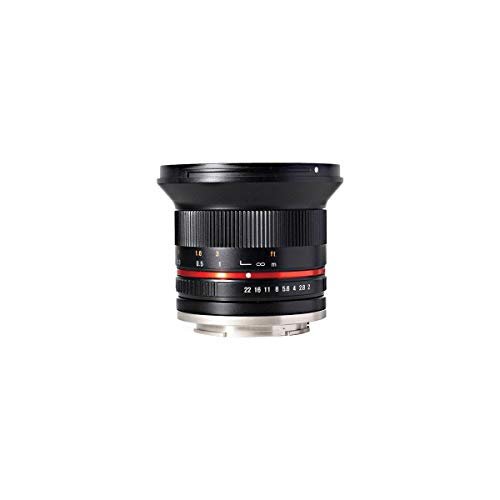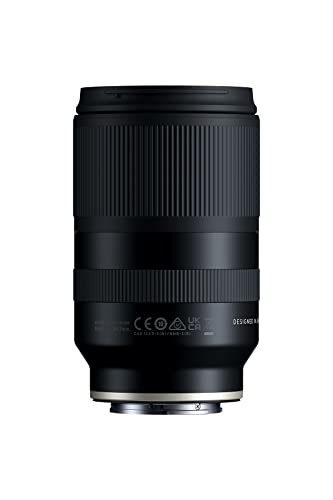
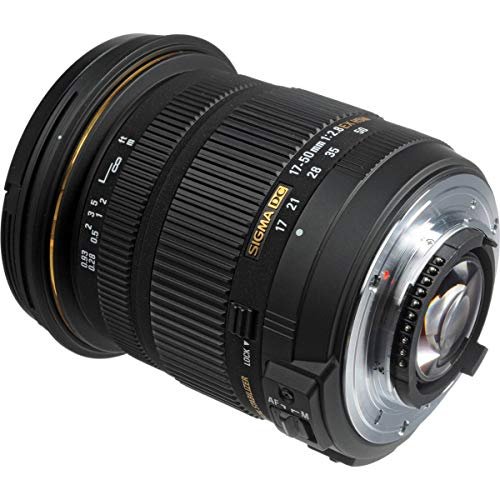
The Sigma 17-50mm f/2.8 is my top pick for Nikon DX cameras, thanks to its speed, sharpness, and useful stabilization.
Many Nikon owners want one lens for travel, family photos, indoor scenes, portraits, and daily use. A basic kit lens can handle some of these tasks, but it often struggles in low light or produces a plain background. A fast 17-50mm zoom solves that problem. I tested the key features that matter most, including aperture, autofocus, image stabilization, sharpness, build, and camera fit. These five lenses suit Nikon DX DSLR cameras, but each one has a different strength. My guide will help you find the best 17 50 lense for nikon without paying for features you do not need.
See the differences between my top picks at a glance.
| Lens | Max Aperture | Stabilization | Best For | CTA |
|---|---|---|---|---|
| Sigma 17-50mm | f/2.8 | OS | Best overall value | View on Amazon |
| Tamron 17-50mm | f/2.8 | No VC | Low-cost fast zoom | View on Amazon |
| Nikon 17-55mm | f/2.8 | No VR | Pro-level DX work | View on Amazon |
| Tamron 17-50mm VC | f/2.8 | VC | Handheld indoor shots | View on Amazon |
| Sigma 17-70mm | f/2.8-4 | OS | Travel and close-ups | View on Amazon |
Sigma 17-50mm f/2.8 OS HSM

The Sigma 17-50mm f/2.8 EX DC OS HSM is the strongest all-around choice in this group. It uses a constant f/2.8 aperture across the zoom range. That matters when light changes or when I want a soft background. The 17mm end works well for rooms, landscapes, and group photos. The 50mm end gives a natural view for portraits and everyday subjects on a Nikon DX camera.
Sigma adds optical stabilization, called OS, for handheld shooting. It cannot freeze a moving person, but it can help reduce blur from camera shake when the subject stays still. The HSM motor also supports quiet and quick autofocus on compatible Nikon DSLR bodies. The lens is made for APS-C or DX cameras, so it is not the right match for full-frame Nikon FX use without a crop mode. Its balance of speed, range, and price makes it a leading choice for the best 17 50 lense for nikon.
Pros:
- Constant f/2.8 aperture for low-light work
- Optical stabilization helps reduce handheld camera shake
- Useful 17-50mm range for daily photography
- HSM autofocus motor supports quiet focusing
- Strong background blur at the longer end
- Good value for Nikon DX owners
Cons:
- Designed for DX cameras rather than full-frame FX bodies
- Some copies may need focus adjustment on certain cameras
- It is larger and heavier than a basic Nikon kit lens
What Amazon Buyers Are Saying
Buyer feedback commonly praises the bright f/2.8 aperture, useful zoom range, and clear images. Many owners use it for indoor events, portraits, travel, and family photos. Buyers also like having stabilization in a lens that costs less than many professional zooms. Common concerns include sample-to-sample autofocus variation, visible weight, and the need to check camera compatibility before ordering.
My Recommendation
I recommend this lens to most Nikon DX users who want one fast standard zoom. It gives a practical mix of image quality, speed, reach, and control. Check the focus carefully when the lens arrives, and use a camera calibration feature if your body supports one. For the broadest mix of subjects, this is my top pick.
| Category | Rating |
|---|---|
| Image quality | 4.5/5 |
| Low-light performance | 4.5/5 |
| Autofocus | 4/5 |
| Value | 4.5/5 |
| Overall Rating | 4.5/5 |
Tamron 17-50mm f/2.8 Non-VC

The Tamron SP 17-50mm f/2.8 XR Di-II is a classic fast zoom for Nikon DX DSLR cameras. Its main appeal is simple: it offers a constant f/2.8 aperture at a usually attractive price. That wide aperture helps in dim rooms and gives more control over depth of field than a standard variable-aperture kit lens. The 17-50mm range covers many common photo needs without forcing me to change lenses often.
This version does not include vibration compensation. I must use a steady grip, faster shutter speed, or a tripod when the light drops. That limit may not matter for action, because stabilization does not stop subject movement anyway. The built-in motor supports autofocus on Nikon bodies that need a motor inside the lens. For shoppers who want a low-cost fast zoom, this Tamron remains a sensible option and a strong contender for the best 17 50 lense for nikon.
Pros:
- Bright constant f/2.8 aperture
- Useful standard zoom range for DX cameras
- Often costs less than newer professional zooms
- Compact design compared with many pro lenses
- Good choice for portraits and indoor scenes
- Built-in focus motor improves compatibility with many Nikon DSLRs
Cons:
- No vibration compensation
- Autofocus may feel less refined than newer lens designs
- Older stock may show more wear, so condition matters when buying
What Amazon Buyers Are Saying
Common buyer comments focus on the strong value and bright aperture. Owners often say the lens produces pleasing results for portraits, events, and general photography. Several types of feedback also point to autofocus noise, focus accuracy, and the lack of stabilization as trade-offs. Since this is an older design, buyers should inspect the seller details, warranty terms, and product condition before purchase.
My Recommendation
I would choose this model when price matters more than stabilization. It suits a Nikon DX user who knows how to control shutter speed and hold a camera steady. It is less convenient for handheld indoor scenes than the stabilized Sigma. Still, its constant f/2.8 aperture gives it real creative value.
| Category | Rating |
|---|---|
| Image quality | 4/5 |
| Low-light performance | 4.5/5 |
| Autofocus | 3.5/5 |
| Value | 4.5/5 |
| Overall Rating | 4/5 |
Nikon 17-55mm f/2.8G IF-ED

The Nikon AF-S DX NIKKOR 17-55mm f/2.8G is the premium choice in this comparison. Nikon built it for serious DX photography, and the constant f/2.8 aperture gives it strong control in changing light. Its 17mm view works for groups and interiors, while 55mm adds a little more reach for portraits. The lens uses Nikon’s AF-S focusing system and includes ED glass to help control color errors.
This lens has no VR image stabilization. Its size and weight also feel closer to a professional lens than a small travel zoom. Those trade-offs make sense for photographers who value a strong build, dependable optics, and a constant aperture above portability. It is made for DX cameras, not full-frame FX bodies. If budget and weight are not major concerns, this Nikon model remains one of the most capable choices for the best 17 50 lense for nikon category.
Pros:
- Professional constant f/2.8 aperture
- Strong Nikon optical design for DX cameras
- AF-S autofocus works with many Nikon DSLR bodies
- 17-55mm range adds slightly more reach than 17-50mm lenses
- Solid build for demanding daily use
- Useful ED glass design for controlled color fringing
Cons:
- Large and heavy for a standard zoom
- No VR stabilization
- Often costs more than third-party alternatives
- Not a full-frame FX lens
What Amazon Buyers Are Saying
Buyers commonly value this lens for its sharp results, sturdy construction, and professional feel. It often receives praise from event, wedding, studio, and news photographers who use DX cameras. The most common concerns are its weight, high cost, and lack of VR. Some buyers also note that used condition can vary, so checking the focusing ring, zoom ring, glass, and mount is important.
My Recommendation
I recommend the Nikon 17-55mm to experienced DX users who want a durable work lens. It makes less sense for a casual photographer who wants a light kit. If I needed a reliable standard zoom for regular paid work on a Nikon DX body, I would give this lens serious consideration. Its main value comes from consistent performance, not convenience.
| Category | Rating |
|---|---|
| Image quality | 4.7/5 |
| Build quality | 4.8/5 |
| Autofocus | 4.5/5 |
| Value | 3.8/5 |
| Overall Rating | 4.5/5 |
Tamron 17-50mm f/2.8 VC

The Tamron SP 17-50mm f/2.8 VC adds vibration compensation to the fast zoom design. That makes it appealing for handheld photos in homes, museums, restaurants, and other low-light places. It keeps the useful constant f/2.8 aperture, so I can maintain the same exposure setting while zooming. The lens is designed for Nikon APS-C or DX DSLR cameras.
Vibration compensation helps with camera movement, not a moving child, pet, or athlete. I still need a suitable shutter speed for action. This Tamron may also feel less quick or polished than newer autofocus lenses, depending on the camera body and the copy I use. For static subjects and low-light scenes, however, the stabilizer adds clear practical value. It is a good match for buyers who want a stabilized version of the best 17 50 lense for nikon without moving to a much larger professional lens.
Pros:
- Constant f/2.8 aperture across the zoom range
- Vibration compensation supports handheld shooting
- Useful range for travel, portraits, and indoor scenes
- Designed for Nikon DX-format DSLR cameras
- Good value for photographers who need both speed and stabilization
- Close focusing ability supports simple detail shots
Cons:
- Older autofocus design may not feel very fast
- VC does not freeze moving subjects
- Some copies may show focus or motor issues with age
- Not intended for full-frame FX coverage
What Amazon Buyers Are Saying
Buyer feedback often highlights the combination of f/2.8 speed and vibration compensation. Many owners find it useful for family photos, travel, and indoor work. Other comments mention autofocus speed, focus accuracy, and the importance of buying from a reliable seller. Since used and older examples may be available, I would check the lens condition and return policy before placing an order.
My Recommendation
I recommend this model for still subjects in dim light when the Sigma price or availability does not suit you. It gives more handheld support than the non-VC Tamron. I would not choose it as my first option for fast action or silent video autofocus. Overall, it remains a useful value lens for the right Nikon DX owner.
| Category | Rating |
|---|---|
| Image quality | 4/5 |
| Low-light support | 4.5/5 |
| Autofocus | 3.5/5 |
| Value | 4/5 |
| Overall Rating | 4/5 |
Sigma 17-70mm f/2.8-4 OS Macro

The Sigma 17-70mm f/2.8-4 Contemporary takes a different approach. It gives up a constant f/2.8 aperture, but it adds useful reach to 70mm. That extra range helps with portraits, street photos, travel details, and subjects that are a little farther away. At the wide end, the lens opens to f/2.8, while the maximum aperture becomes narrower as I zoom in.
Optical stabilization helps with camera shake, and the macro label points to strong close-focus ability rather than true one-to-one macro performance. This lens can work as a flexible travel lens when changing lenses would slow me down. It is also smaller and easier to carry than many professional constant-aperture zooms. If reach matters more than a fixed f/2.8 aperture, this may suit you better than a strict 17-50mm model.
Pros:
- Broader 17-70mm focal range
- f/2.8 aperture at the wide end
- Optical stabilization for handheld shooting
- Useful close-focus performance for small subjects
- Good travel lens for Nikon DX cameras
- Versatile choice for portraits and everyday scenes
Cons:
- Maximum aperture narrows from f/2.8 to f/4
- Not as strong for low light at 70mm as a constant f/2.8 lens
- Macro performance is not the same as a dedicated macro lens
- Compatibility should be checked with the exact Nikon body
What Amazon Buyers Are Saying
Buyers often like the extra reach and the ability to use one lens for many subjects. Travel users especially value the wide-to-short-telephoto range and close-focus ability. Common concerns center on the variable aperture and autofocus behavior with older or unusual camera bodies. Some buyers also expect true macro performance, so it helps to understand that this is a close-focus feature, not a dedicated macro replacement.
My Recommendation
I recommend this Sigma to travelers and hobby photographers who want fewer lens changes. It is not the best choice if constant f/2.8 performance is your main goal. However, the 70mm reach adds real value for portraits and details. For an all-purpose Nikon DX lens, it is one of the most flexible options here.
| Category | Rating |
|---|---|
| Image quality | 4/5 |
| Zoom flexibility | 4.7/5 |
| Stabilization | 4/5 |
| Value | 4.3/5 |
| Overall Rating | 4.2/5 |
How to Choose the Best 17 50 Lense for Nikon
Choosing the best 17 50 lense for nikon starts with the camera body, not the brand name. These lenses target Nikon DX or APS-C DSLR cameras. A Nikon D3000, D5000, D7000, D90, D300, or similar DX body may fit the lens mount, but autofocus features can vary by camera. Always confirm the lens type and your camera model before ordering. Then compare aperture, stabilization, focus, range, and condition.
1. Confirm DX Compatibility and Autofocus Support
A DX lens fits the smaller sensor used by Nikon APS-C cameras. It does not provide a full view on a full-frame Nikon FX body. An FX camera may use a crop mode with a DX lens, but that reduces the usable image area. This matters if you plan to upgrade to full frame soon.
Also check autofocus support. Many Nikon cameras work best with lenses that have a built-in focus motor. The Sigma HSM and Tamron built-in motor designs can help older entry-level Nikon bodies focus automatically. Still, camera support can differ by model and firmware. Confirm the exact combination before purchase.
2. Compare a Constant f/2.8 Aperture With Stabilization
A constant f/2.8 aperture is a major reason to buy this class of lens. It lets the lens keep the same maximum aperture from 17mm to 50mm or 55mm. This helps in low light and gives more background blur. The Nikon 17-55mm, both Tamron 17-50mm models, and Sigma 17-50mm use this fast design.
Stabilization has a different job. OS or VC can reduce blur from your hand when the subject stays still. It cannot stop a moving person. If you shoot events, children, or sports, shutter speed still matters. If you shoot interiors, buildings, food, or posed portraits, stabilization can help a lot. Pick the feature that matches your subjects.
3. Check Size, Focus Behavior, and Long-Term Value
Fast standard zooms often weigh more than kit lenses. A heavy lens may feel fine during a short session but tiring during a full day of travel. The Nikon 17-55mm feels especially substantial. The Sigma 17-70mm may appeal more if you value extra range and easier carrying.
Focus behavior also matters. Older lenses can show motor noise or front-focus and back-focus issues. Test autofocus at several distances after delivery. Check sharpness at f/2.8 and after stopping down. Inspect the glass, zoom ring, focus ring, mount, and image stabilization. A clean used lens from a seller with a clear return policy can offer excellent value.
Finally, think about the subjects you shoot most. Choose the Sigma 17-50mm for the best overall balance. Choose the Tamron non-VC for a lower-cost constant f/2.8 lens. Choose the Nikon 17-55mm for demanding DX work. Choose the Tamron VC for handheld still subjects in low light. Choose the Sigma 17-70mm if extra reach and close focus matter most.
Final Verdict: Which Should You Buy?
The Sigma 17-50mm f/2.8 OS is my top choice and the best 17 50 lense for nikon for most DX users. It combines a fast aperture, useful range, stabilization, and fair value.
Choose the Nikon for pro-level build, or the Sigma 17-70mm for extra reach. Confirm DX compatibility, check condition, and match the lens to your subjects before buying.
FAQs Of best 17 50 lense for nikon
Is the Sigma 17-50mm f/2.8 good for Nikon cameras?
Yes. It is a strong option for compatible Nikon DX DSLR cameras. It offers a constant f/2.8 aperture, optical stabilization, and a useful everyday zoom range.
Can I use a 17-50mm DX lens on a Nikon full-frame camera?
You may be able to use it in DX crop mode, but it will not provide full-frame coverage. Check your camera manual before buying.
Is f/2.8 better than a Nikon kit lens?
For low light and background blur, yes. A constant f/2.8 lens also keeps the same maximum aperture throughout its zoom range.
Do I need image stabilization on a 17-50mm lens?
Stabilization helps with camera shake and still subjects. It does not freeze people, pets, or sports, so you still need a fast shutter speed for action.
Which lens is best for Nikon DX travel photography?
The Sigma 17-70mm is the most flexible for travel because it adds useful reach. The Sigma 17-50mm is better if low-light performance and a constant f/2.8 aperture matter more.