The best budget Micro Four Thirds lenses deliver sharp images, useful reach, and strong value without a high price.
Many photographers love Micro Four Thirds cameras but feel limited by a basic kit lens. You may want brighter indoor shots, softer portraits, closer wildlife, or a better travel range without spending a fortune. I tested the strengths, limits, and best uses of five affordable Micro Four Thirds lenses. These picks cover portraits, travel, sports, wildlife, video, and creative work. I also considered autofocus, size, image quality, handling, and long-term value. That makes this guide useful for Panasonic Lumix, Olympus, and OM System camera owners.
See the differences between my top picks at a glance.
Panasonic Lumix 25mm f/1.7 Lens

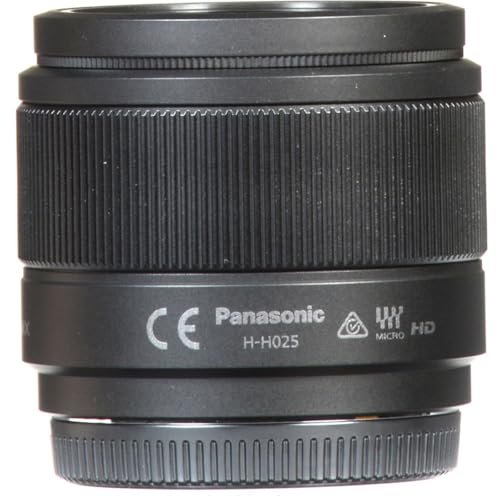
The Panasonic Lumix G 25mm f/1.7 is the easiest lens to recommend to most Micro Four Thirds owners. Its focal length gives a view similar to a 50mm lens on a full-frame camera. That makes it useful for portraits, family photos, street scenes, food, and everyday shooting. The wide f/1.7 aperture also lets in much more light than a common kit zoom.
Panasonic includes autofocus, so this lens feels simple to use on compatible Lumix bodies. The bright aperture can create a soft background and helps keep shutter speeds higher indoors. It also stays small and light, which suits compact MFT cameras well. For many buyers, this is the best budget Micro Four Thirds lens for learning how a prime lens can improve image quality.
Pros:
- Bright f/1.7 aperture for indoor and evening use
- Natural 50mm-equivalent field of view
- Autofocus works well for daily photography
- Small and light for travel
- Strong value for portraits and family photos
- Compatible with Panasonic and Olympus-style MFT systems
Cons:
- No optical image stabilization in the lens
- Fixed focal length cannot zoom
- Some users may find autofocus sound noticeable for video
What Amazon Buyers Are Saying
Amazon buyers commonly praise this lens for its low price, bright aperture, and clear results. Many users like the way it improves indoor photos over a basic kit zoom. Buyers also often mention its light weight and simple controls. As with most affordable lenses, some reviews point to plastic construction and autofocus noise as trade-offs.
My Recommendation
I recommend the Panasonic 25mm f/1.7 to beginners, family photographers, and anyone who wants one affordable prime lens. It gives a clear step up from many kit lenses without adding much weight to a camera bag. Buy it if you value bright images and autofocus more than zoom flexibility.
SG-image AF25mm f/1.8 Prime Lens

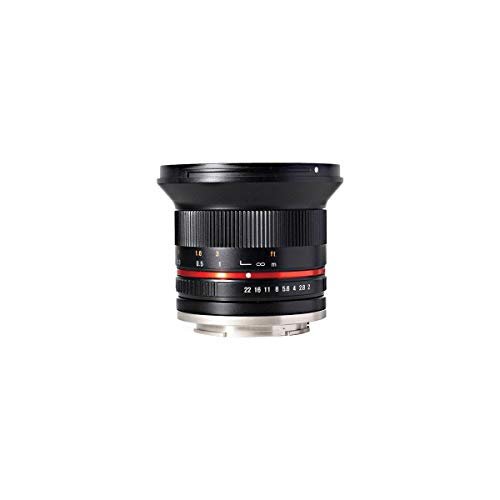
The SG-image AF25mm f/1.8 targets photographers who want a low-cost normal prime with autofocus. On a Micro Four Thirds camera, its 25mm view feels close to a classic 50mm lens. That makes it a good fit for portraits, food, casual travel, and daily snapshots. Its f/1.8 aperture also gives you more light than a standard kit lens at the same focal length.
This lens is especially interesting when the lowest purchase price matters. It gives budget shoppers access to a fast prime design without moving to a fully manual lens. The actual experience can vary by camera body and firmware, so I would confirm compatibility before ordering. It may suit a student, new creator, or backup-camera owner who wants a simple upgrade.
Pros:
- Low entry price for a fast prime lens
- Useful 50mm-equivalent perspective
- Autofocus design is easier than manual focus
- Wide aperture helps in dim rooms
- Good size for small Panasonic and Olympus bodies
- Useful for portraits, food, and everyday images
Cons:
- Third-party autofocus support may vary by camera
- Build and finish may not match major-brand lenses
- Limited long-term track record compared with Panasonic
- Long 80-300mm-equivalent range
- Compact design for a telephoto zoom
- Autofocus supports sports and wildlife work
- Useful for distant subjects and outdoor portraits
- Pairs well with a standard kit zoom
- Easy way to explore telephoto photography
- f/4-5.6 aperture is not ideal in dim light
- No built-in optical stabilization in this lens design
- Plastic construction feels basic
- Long-end sharpness depends on steady technique and light
- Creates a distinctive anamorphic cinema look
- Wide f/1.8 aperture for creative depth of field
- Manual focus suits planned video scenes
- Produces horizontal flare and oval bokeh effects
- Strong creative value for filmmakers
- Works with compatible Micro Four Thirds cameras
- Manual focus takes more time and skill
- Footage needs de-squeezing after recording
- Tight field of view on MFT bodies
- Less useful for casual still photography
- Very useful 14-140mm zoom range
- 28-280mm-equivalent coverage for travel
- Power O.I.S. helps with handheld shooting
- Autofocus supports stills and casual video
- Reduces the need to carry several lenses
- Useful for landscapes, portraits, and distant subjects
- Slower f/3.5-5.6 aperture than a prime lens
- Not the best choice for very dark scenes
- Larger than a small 25mm prime
- Subject separation is more limited than with an f/1.7 lens
What Amazon Buyers Are Saying
Buyer feedback for newer third-party lenses often focuses on value, basic image quality, and autofocus behavior. Positive comments tend to highlight the low cost and useful bright aperture. Some buyers may report differences in focus speed or camera compatibility, which is common with third-party autofocus products. I suggest reading the newest camera-specific reviews before purchase.
My Recommendation
The SG-image AF25mm f/1.8 can be a smart choice when your budget is very tight. I would choose it over a manual prime if you need autofocus and accept that support may be less consistent than with a Panasonic lens. It offers good potential value, but careful compatibility checking is essential.
OM System 40-150mm f/4-5.6 R Lens

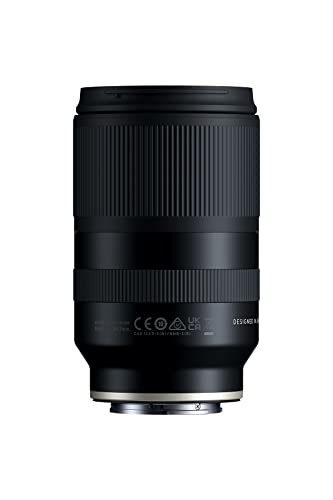
The OM System 40-150mm f/4-5.6 R gives MFT users a long reach in a small package. Its angle of view matches roughly 80-300mm on a full-frame camera. That reach works well for birds in parks, youth sports, distant travel details, and outdoor portraits. It is also a natural partner for a 14-42mm kit lens because it covers the telephoto range the kit lens lacks.
The lens uses autofocus and a simple zoom design, so it does not demand much setup. Its modest maximum aperture keeps the body light and the price approachable. In bright daylight, it can produce sharp and useful images with plenty of reach. This is one of the best budget Micro Four Thirds lenses for someone who wants a real telephoto lens without carrying a large full-frame setup.
Pros:
Cons:
What Amazon Buyers Are Saying
Buyers commonly like this lens because it gives strong reach without the size and cost of a large telephoto. Many users value it for travel, casual wildlife shots, and family sports. Typical concerns include the slower aperture and the need for good light. Some buyers also note that sharp results improve when they use a fast shutter speed and steady support.
My Recommendation
I recommend this lens for outdoor photographers who need reach at a reasonable price. It is not the right tool for dark gyms or serious low-light wildlife work. In daylight, however, it offers an excellent balance of size, reach, and cost. It earns a high value score for MFT owners who want to try telephoto photography.
SIRUI 50mm f/1.8 Anamorphic Lens
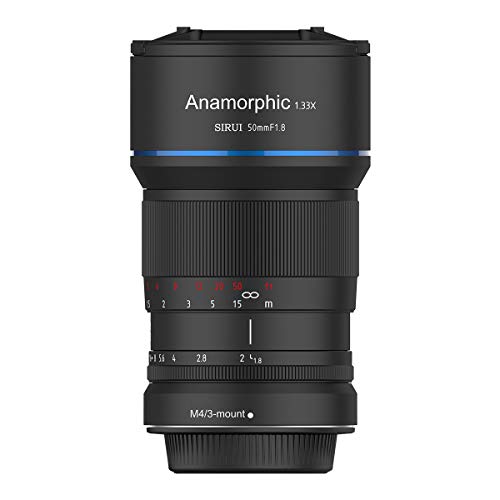
The SIRUI 50mm f/1.8 Anamorphic is not a normal still-photo lens. It targets filmmakers who want a wider cinematic frame, horizontal flare, and an oval background blur. The lens uses a 1.33x anamorphic design, which changes the image shape and creates a distinct cinema look. On a Micro Four Thirds camera, the 50mm focal length gives a tight view, so it works best for controlled scenes, portraits, and planned video shots.
This lens uses manual focus, so it rewards patient camera work. It can produce a unique look that ordinary budget lenses cannot copy. You will need to de-squeeze footage in editing, and the exact workflow depends on your camera and software. I would not buy it as an everyday walk-around lens, but it is a creative option for short films, music videos, and experimental work.
Pros:
Cons:
What Amazon Buyers Are Saying
Owners who buy this lens for cinema work often focus on its unusual look and low price compared with larger anamorphic systems. Positive feedback tends to mention the flare, bokeh, and creative control. Common concerns include the manual focus process, the need to correct the squeezed image, and the learning curve. Buyers who expected a normal autofocus lens may find it less convenient.
My Recommendation
I recommend the SIRUI only if you want anamorphic video effects. It is a poor choice for fast family photos or general travel use, but it can add real character to a small video kit. Learn the de-squeeze process before buying, and treat this lens as a creative specialist rather than a standard prime.
Panasonic Lumix 14-140mm f/3.5-5.6 II

The Panasonic Lumix G Vario 14-140mm f/3.5-5.6 II is the most flexible lens in this group. Its range covers wide landscapes, street scenes, family photos, and distant subjects in one lens. On MFT, it gives a field of view similar to 28-280mm on full frame. That broad range makes it a strong travel lens for photographers who want to change lenses less often.
The lens also includes optical image stabilization, known as Power O.I.S., which helps reduce blur from hand movement. It cannot freeze a moving subject, but it can help with static scenes at slower shutter speeds. Autofocus makes the lens suitable for stills and casual video. If you want one lens for a vacation, hike, or daily walk, this is likely the best budget Micro Four Thirds lens in this review for overall range.
Pros:
Cons:
What Amazon Buyers Are Saying
Buyers often praise this lens for its convenience and wide travel range. Many users like leaving it on the camera for hikes, trips, and family events. Stabilization and autofocus also receive positive attention in ordinary handheld use. The most common trade-off is the slower aperture, especially when users shoot indoors or at the long end of the zoom.
My Recommendation
I recommend the 14-140mm II to travelers and photographers who value convenience above a very bright aperture. It costs more than a basic prime, but it can replace several lenses in a small bag. Add a fast 25mm prime later if you often shoot indoors or want stronger background blur.
How to Choose the Best Budget Micro Four Thirds Lenses
Choosing among the best budget Micro Four Thirds lenses starts with your camera, your subjects, and your usual light. A cheap lens is not a good deal if it does not fit your style. I suggest thinking about focal length first. Then compare the aperture, autofocus system, stabilization, size, and total value. The right lens should solve a real problem in your camera bag.
1. Match the Focal Length to Your Subjects
Micro Four Thirds cameras use a smaller sensor than full-frame cameras. Their two-times crop factor makes a 25mm lens look similar to a 50mm lens on full frame. This view feels natural and works well for people, food, street scenes, and daily photos.
Wide zooms suit landscapes, rooms, and travel. A 14-140mm lens covers a very broad range and helps when you cannot move closer or farther away. A 40-150mm lens gives more reach for birds, sports, and distant details. A 50mm anamorphic lens serves a different purpose and makes the most sense for planned video.
Think about where you stand when you take photos. If you often work in small rooms, a 25mm prime may feel too tight. If you photograph children outside, a telephoto zoom may give you better working distance. Focal length affects your images more than small differences in brand design.
2. Compare Aperture, Autofocus, and Stabilization
A wide aperture uses a smaller f-number. An f/1.7 or f/1.8 lens lets in more light than an f/5.6 lens. It can help in a dim room and may create a softer background. Fast primes such as the Panasonic 25mm and SG-image 25mm make good choices for portraits and indoor photos.
Autofocus also matters. Panasonic and OM System lenses offer a familiar autofocus experience on compatible MFT cameras. Third-party autofocus lenses may work well, but you should check the latest camera notes and buyer feedback. Manual focus lenses can be excellent for video, yet they take more care for moving subjects.
Image stabilization helps reduce blur from camera movement. It does not stop a child, pet, or athlete from moving. A stabilized zoom can still help with buildings, landscapes, and travel scenes. If your camera has in-body stabilization, check how the lens and body work together before you buy.
3. Judge Build, Size, and Total Value
Budget lenses often use more plastic than premium lenses. That does not make them poor choices. A light lens may be easier to carry and less tiring during a long trip. Still, check the mount, zoom ring, focus ring, and warranty details before you buy.
Also check the full cost. A low-priced lens may need a hood, filter, or adapter. A lens with autofocus may save time compared with a manual model. A wide-range travel zoom may cost more at checkout but replace two other lenses. The best budget Micro Four Thirds lenses offer useful performance, not just a low sticker price.
Finally, confirm the mount. Micro Four Thirds is a shared system, but features can differ across Panasonic Lumix, Olympus, and OM System bodies. Autofocus, stabilization, aperture control, and video support may not behave in exactly the same way on every camera. Manufacturer compatibility notes and recent owner reviews can help you avoid a poor match.
Final Verdict: Which Should You Buy?
For most users, the Panasonic 25mm f/1.7 is the best budget Micro Four Thirds lens. Choose the Panasonic 14-140mm II for travel, the OM System 40-150mm for reach, or the SIRUI for creative video.
These best budget Micro Four Thirds lenses cover bright primes, telephoto work, travel, and cinema effects. Pick the lens that fits your subjects, light, and camera habits.
FAQs Of best budget micro four thirds lenses
What is the best budget Micro Four Thirds lens for beginners?
The Panasonic 25mm f/1.7 is the best starting point for many beginners. It offers a bright aperture, autofocus, and a natural 50mm-equivalent view.
Are Micro Four Thirds lenses cheaper than full-frame lenses?
Many Micro Four Thirds lenses cost less and stay smaller than similar full-frame lenses. Prices still vary by brand, aperture, stabilization, and zoom range.
Is a 25mm lens good for portraits on Micro Four Thirds?
Yes. A 25mm lens gives a 50mm-equivalent view. It works well for environmental portraits, family photos, and indoor scenes.
Which budget MFT lens is best for wildlife?
The OM System 40-150mm f/4-5.6 R offers useful 80-300mm-equivalent reach. It works best in daylight and with a steady shooting technique.
Do Panasonic and Olympus lenses fit the same MFT cameras?
Both brands use the Micro Four Thirds mount. However, autofocus, stabilization, and video features can vary by lens and camera body.