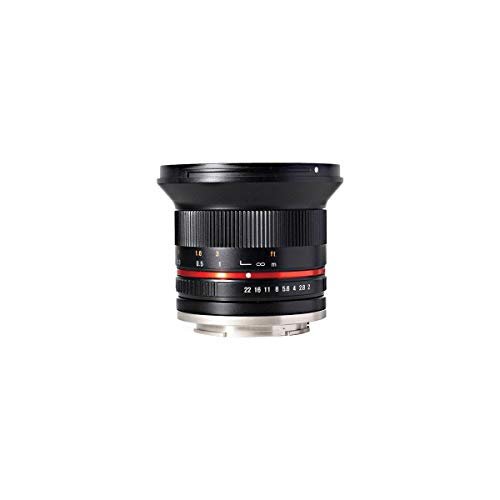
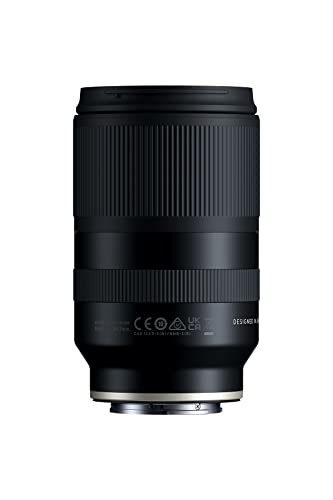
The best camera lens for northern lights is a fast, wide lens with sharp corners and strong low-light performance.
You arrive under a clear Arctic sky, set up your camera, and wait for green light to move across the stars. Then the lens struggles. The image looks dark, soft, or too narrow. I reviewed these listed products for what they can really do for aurora photos. Most are phone lens kits or small lights, not true night-sky lenses. That matters. Still, some can help with phone photography, framing, or nearby portraits. I also explain what to buy when you want the best camera lens for northern lights.
See the differences between my top picks at a glance.
Xenvo Pro Lens Kit: Best Phone Wide-Angle Option

The Xenvo Pro Lens Kit gives a phone a wider view and includes a macro lens, LED light, and travel case. Its wide lens can help fit more sky into a phone frame. That makes it useful for simple aurora scenes with a person, cabin, or mountain in the foreground. The kit stays small, so it works well for travelers who do not want a full camera bag.
Still, I would not call it a true best camera lens for northern lights. A clip-on phone lens cannot match a fast interchangeable lens on a full-frame or APS-C camera. It may also add edge softness, glare, or dark corners. Use the phone’s night mode first, and test the clip position before a real aurora event.
Pros:
- Very small and easy to carry
- Wide view can include more of the night sky
- Includes a useful travel case
- Macro lens adds daytime value
- Built-in LED helps with close subjects
- Works with many phone setups through a clip
Cons:
- Not designed as a dedicated astrophotography lens
- Clip alignment may take time
- Phone cases can block a proper fit
- Extra glass may reduce edge sharpness
What Amazon Buyers Are Saying
Customer feedback commonly focuses on the kit’s small size, easy setup, and fun wide or macro effects. Buyers often like the case and the included light for travel use. Some reports mention alignment issues, especially with thick phone cases or multi-camera phones. As with most clip-on lenses, results can vary by phone model and camera position, so I would treat it as a low-cost creative accessory rather than a professional aurora tool.
My Recommendation
I recommend the Xenvo for phone users who want a wider composition and a compact travel kit. It is worth buying when expectations stay realistic. It will not replace a fast 14mm, 20mm, or 24mm camera lens, but it can help a phone user try aurora photography without a large investment.
ULANZI VL-81: Best Compact Light for Foreground Detail
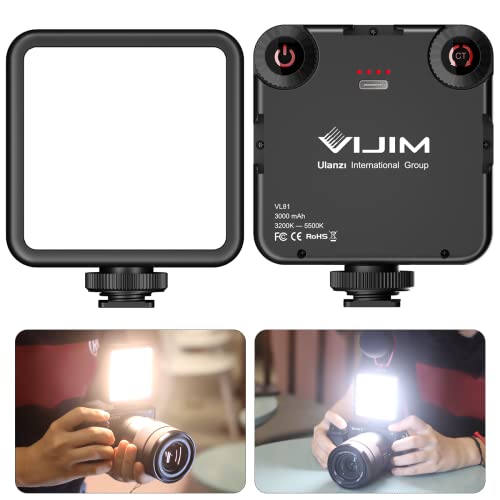
The ULANZI VL-81 is a small bi-color LED video light. It offers adjustable color temperature from warm to cool, a built-in rechargeable battery, and three cold shoe mounts. Those mounts can support extra accessories on a camera or phone rig. The included softbox can make close light look less harsh.
This is not a camera lens, and it should not light the aurora itself. Any bright light pointed into the scene can weaken your dark-sky mood and disturb nearby photographers. I find it more useful for a short portrait, a tripod setup, or a close foreground object. Turn it off for the main sky exposure.
Pros:
- Compact size suits cold-weather travel
- Bi-color control helps match the scene
- Rechargeable battery reduces disposable battery use
- Three cold shoe mounts add rig options
- Softbox can make close light gentler
- Useful for people, gear, and foreground details
Cons:
- Does not improve lens speed or sky detail
- Light can spoil a long aurora exposure
- Battery life changes with brightness and cold
- Small panels cannot replace a large studio light
What Amazon Buyers Are Saying
Buyers often praise the light’s compact design, brightness, color control, and several mounting points. Many use it for video, product shots, and quick fill light. Common concerns in this type of product include battery drain at high power and reduced runtime in cold weather. Reviews also suggest that the softbox is most useful at close range, not as a tool for lighting a large outdoor scene.
My Recommendation
I recommend the VL-81 as an accessory for aurora trips, not as the best camera lens for northern lights. It earns its place when you want a small light for a person or foreground item. Use low brightness, keep it away from the camera’s view, and switch it off during the main sky shot.
Godefa 14-in-1 Kit: Best for Phone Lens Variety

The Godefa 14-in-1 kit offers several clip-on phone lenses, including wide-angle, macro, and fisheye options. It also includes a selfie light and accessories for creative phone photos. The wide-angle lens has the most value for a night landscape because it can show more of the sky and land. The other lenses suit daytime travel and social media shots.
For aurora work, more pieces do not always mean better results. Each extra lens surface can add flare or lower contrast. Phone users should check that the lens sits over the correct camera and that no case edge enters the frame. This kit works best for casual experiments, while serious users should choose a phone with a strong night mode or a dedicated camera with a fast lens.
Pros:
- Many creative lens options in one kit
- Wide-angle piece suits broad travel scenes
- Fisheye lens adds a distinct visual effect
- Macro lens supports close detail photos
- Selfie light helps with nearby faces
- Easy to carry on a trip
Cons:
- Not all included lenses suit aurora photos
- Clip placement may be slow in the dark
- Phone compatibility can vary
- Low-cost optics may show soft edges or flare
What Amazon Buyers Are Saying
Amazon buyers commonly like the number of lenses, the low cost, and the range of effects. Many describe it as a fun kit for travel, selfies, and close-up work. Some users report that certain lenses work better than others, which is normal for a multi-piece phone kit. Fit, camera alignment, and phone case thickness appear often in practical feedback, so I suggest testing the kit indoors before traveling north.
My Recommendation
The Godefa kit is a reasonable choice for a phone owner who wants variety. I would buy it for travel creativity, not for professional aurora detail. The wide lens may help with framing, but the phone’s sensor, software, tripod support, and night mode will matter more than the clip-on accessories.
MIAO LAB 11-in-1 Kit: Best for Creative Phone Effects
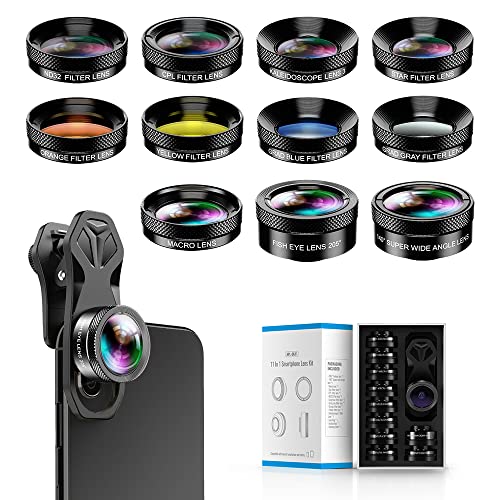
The MIAO LAB 11-in-1 phone lens kit combines wide-angle, macro, fisheye, ND, CPL, color, star, and kaleidoscope effects. It targets people who enjoy trying new looks with a phone. For northern lights, the wide lens is the main piece to test. The star and color filters may create special effects, but they can also reduce natural detail and add unwanted flare.
I like this kit more for creative travel photos than for clean astrophotography. A polarizing filter has little value in a dark sky, since it can cut light. An ND filter also reduces exposure and usually works against the goal of gathering faint aurora light. For the best camera lens for northern lights results, use the clearest setup with the fewest extra surfaces.
Pros:
- Wide selection of creative effects
- Wide-angle option can help with composition
- Macro lens adds close-up shooting value
- Star filter can create an artistic look
- Small kit suits phone travel photography
- Useful for both daytime and social content
Cons:
- Filters can reduce light in a dark scene
- Creative effects may hide natural aurora detail
- Clip alignment may vary by phone
- Not a substitute for a fast camera lens
What Amazon Buyers Are Saying
Buyers tend to enjoy the number of effects and the chance to change a phone’s look without editing software. Feedback often praises the compact kit for travel and casual content. Some users note that results depend on careful alignment and on the phone camera itself. Filters can also produce stronger effects than expected, so I suggest testing each one before using it under changing aurora conditions.
My Recommendation
Choose the MIAO LAB kit if you want creative phone photos first and natural aurora images second. It offers good variety for the price, but I would remove the filters for a clean night-sky shot. For serious work, a tripod and a fast, wide camera lens remain the better investment.
VIJIM VL120: Best LED Panel for People in Aurora Scenes

The VIJIM VL120 is a rechargeable LED panel for camera and video work. It offers adjustable color temperature, dimming, and color filters. Its larger panel design can give a person or a close foreground subject more even light than a tiny phone light. The built-in battery also makes it useful when an outlet is far away.
Like the ULANZI light, this product does not help capture faint aurora rays. It serves a different purpose. I would use it for a short portrait before or after the main exposure, or for a controlled foreground blend. Keep the panel dim and warm when possible. Bright, cool light can make the scene look flat and can ruin other photographers’ exposures.
Pros:
- Adjustable color temperature supports scene matching
- Dimming gives better control in dark locations
- Color filters add creative options
- Rechargeable battery suits remote trips
- Larger panel gives softer close light
- Useful for portraits and foreground subjects
Cons:
- Not useful for lighting the entire night sky
- Bright output can spoil a dark-sky scene
- Cold weather may reduce battery runtime
- Adds weight compared with a phone-only kit
What Amazon Buyers Are Saying
Amazon feedback commonly highlights the panel’s brightness, color control, battery, and compact build. Buyers use it for video, portraits, streaming, and product work. Some users mention that battery performance depends on brightness and use time. In an aurora setting, the key lesson is control: the panel can help a nearby subject, but too much light will overpower the natural blue and green tones around it.
My Recommendation
I recommend the VL120 for photographers who want to include people in a northern lights scene. I do not recommend buying it as a lens solution. It is a helpful secondary tool when you understand light balance and keep the main aurora exposure free from artificial light.
How to Choose Best Camera Lens for Northern Lights
Choosing the best camera lens for northern lights starts with light, view, and focus. The products above include useful phone accessories and LED panels, but only the clip-on wide lenses relate directly to field of view. A real camera lens needs a wide aperture, clean corners, low flare, and a focal length that fits your camera sensor. I also check how easy it is to use with gloves, a tripod, and a cold battery.
1. Choose a Fast, Wide Aperture
Aurora scenes often need a lot of light. A lens with an aperture of f/2.8 or wider lets in more light than a lens at f/4 or f/5.6. On a full-frame camera, 14mm to 24mm works well for broad sky views. A 20mm or 24mm lens can show more foreground while still capturing a large aurora band.
A wider aperture does not solve every problem. Very wide lenses can show soft corners when used wide open. I look for a lens that stays sharp enough at f/1.8, f/2, or f/2.8. For a phone, use the main camera and its built-in night mode when possible. A clip-on lens may widen the view, but it cannot add sensor size or true aperture speed.
2. Check Focus, Flare, and Edge Sharpness
Autofocus can hunt in darkness. Manual focus matters. Set focus near infinity, then check a bright star with a test image. Do not turn the focus ring all the way to infinity without checking. Some lenses focus slightly past the infinity mark.
Flare also matters. Bright sources such as the moon, a headlamp, or a nearby light can create ghosts across the frame. A good hood helps. Clean front glass helps too. I prefer a lens with low coma, since coma turns stars near the edge into small smears. The best camera lens for northern lights should keep stars and aurora lines natural across much of the frame.
3. Match the Lens to Your Camera and Trip
Check the mount before you buy. A lens for Sony E does not fit Canon RF, Nikon Z, Fujifilm X, or Micro Four Thirds without the correct adapter. Sensor size also changes the view. A 16mm lens on an APS-C camera gives a narrower view than a 16mm lens on full frame. Use the camera maker’s crop factor when you compare lenses.
For an outdoor trip, weather sealing, a solid focus ring, and a light body can matter as much as sharpness. Carry a tripod, spare batteries, a lens cloth, and a simple hand warmer. Keep batteries inside a pocket when you are not shooting. A lens can be excellent, yet cold hands and a weak battery can end the session early.
Final Verdict: Which Should You Buy?
Of these listed products, the Xenvo Pro Lens Kit is the most relevant for phone users who want a wider view. The Godefa and MIAO LAB kits offer more effects, while the ULANZI and VIJIM lights help with foreground subjects. None is a true professional lens for aurora work.
For the best camera lens for northern lights, choose a fast, wide lens made for your camera mount. Use these accessories only when their limits fit your plan.
FAQs Of best camera lens for northern lights
What focal length is best for northern lights photography?
A full-frame lens from about 14mm to 24mm works well for large aurora displays. Choose 20mm or 24mm when you want more foreground detail.
Is an f/2.8 lens good for northern lights?
Yes. An f/2.8 lens can gather useful light for aurora photos. A wider aperture, such as f/1.8 or f/2, may help when the sky is faint.
Can I photograph the northern lights with a phone?
Yes. Use a tripod, the main camera, a manual or night mode, and a timer. A clip-on wide lens may change the view, but it cannot replace a larger sensor.
Should I use an LED light while photographing the aurora?
Use an LED light only for a nearby person or foreground object. Keep it dim and turn it off during the main sky exposure.
Should I use a wide-angle lens for northern lights?
Yes. A wide-angle lens can include more sky and landscape. Pick one with a fast aperture and good edge control for cleaner stars.