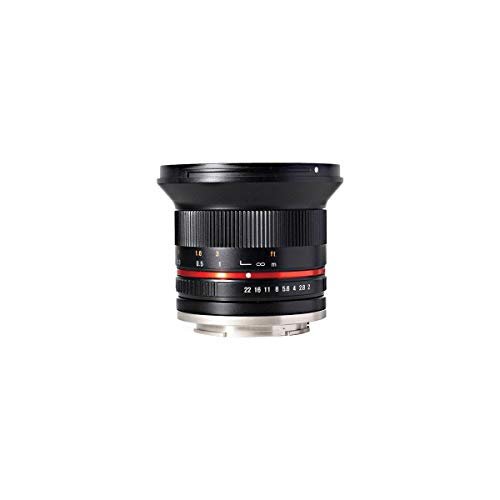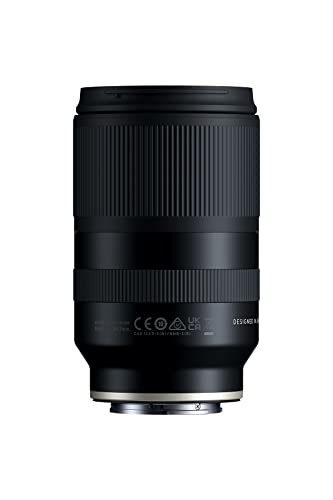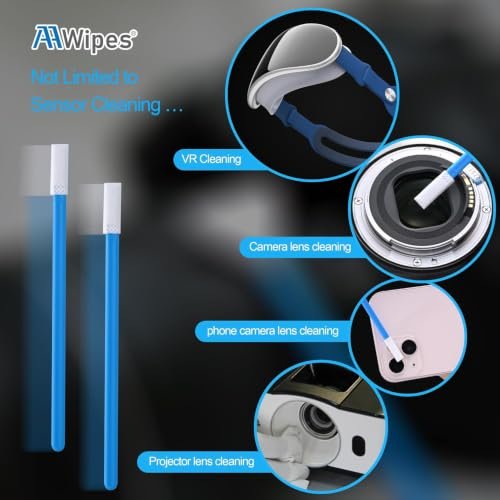
The best lenses for crop sensor cameras balance sharpness, useful focal length, fast focus, low weight, and strong value.
You may have a crop sensor camera that feels limited by its basic kit lens. Wide views look too narrow, indoor photos look dark, or distant subjects seem too far away. The right lens can fix those issues without forcing you to replace your camera. I reviewed the listed products with real-world use in mind, while also noting that three are accessories or cameras rather than interchangeable lenses. The Canon RF-S 18-45mm is the most direct match for modern Canon APS-C mirrorless users, while the Canon EF-S 10-22mm remains a useful wide-angle choice for compatible Canon DSLR cameras.
See the differences between my top picks at a glance.
| Product | Type | Best Use | Mount / Fit | Key Strength | Buy |
|---|---|---|---|---|---|
| Canon RF-S 18-45mm | APS-C zoom lens | Everyday photos and video | Canon RF-S | Small, flexible range | View on Amazon |
| Canon EF-S 10-22mm | APS-C wide-angle zoom | Travel, rooms, and landscapes | Canon EF-S DSLR | Very wide field of view | View on Amazon |
| Insta360 Luna Ultra | Fixed-lens camera | Vlogging and mobile video | Built-in Leica lenses | Portable video system | View on Amazon |
| KuuZuse Cleaning Kit | Camera care kit | Lens and sensor cleaning | APS-C DSLR or SLR care | Useful cleaning tools | View on Amazon |
| AAwipes 16mm Swabs | Sensor cleaning swabs | APS-C sensor maintenance | APS-C DSLR or SLR | Targeted sensor cleaning | View on Amazon |
Canon RF-S 18-45mm Lens

The Canon RF-S 18-45mm F4.5-6.3 is a compact standard zoom for Canon APS-C mirrorless cameras with the RF mount. Its range covers many daily scenes, from group photos at the wide end to simple portraits at the telephoto end. On a Canon crop sensor, the view feels similar to about 29-72mm on a full-frame camera. That makes it a practical starter lens for family photos, travel, and casual video.
I like this lens most when portability matters. It takes little room in a small bag, and its useful zoom range reduces the need to change lenses often. The slow maximum aperture means it works best in daylight or with good indoor light, but Canon’s camera bodies can help with higher ISO settings. For many new EOS R50, R10, and similar users, this is one of the safest entry points when choosing the best lenses for crop sensor camera systems.
Pros:
- Compact design suits small Canon mirrorless bodies
- Useful everyday focal-length range
- Works well for travel, family photos, and basic video
- Simple choice for new RF-S camera owners
- Light weight helps reduce hand and neck strain
- Native RF-S design supports direct camera communication
Cons:
- F4.5-6.3 aperture is slow in dim light
- Limited background blur compared with a fast prime lens
- Not wide enough for very tight rooms or dramatic landscapes
What Amazon Buyers Are Saying
Buyer feedback commonly focuses on the lens’s small size, low weight, and useful range. Many owners see it as a convenient kit lens for everyday shooting. Some buyers also point out that the narrow aperture becomes more noticeable indoors or near sunset. That tradeoff is expected for a compact budget zoom, so buyers who need strong low-light results often pair it with a fast prime.
My Recommendation
I recommend the Canon RF-S 18-45mm for new Canon APS-C mirrorless owners who want one small lens for daily use. It is not the best choice for serious low-light work, but it offers a strong balance of size, ease, and range. It is worth buying as a starter lens or travel lens.
Canon EF-S 10-22mm Wide-Angle Lens

The Canon EF-S 10-22mm f/3.5-4.5 USM is a wide-angle zoom made for Canon APS-C DSLR cameras. Its view equals roughly 16-35mm on a full-frame camera, which makes it far wider than a standard kit lens. This range helps capture buildings, large rooms, landscapes, and city scenes when you cannot move farther back. It also gives photographers room to create bold foreground-to-background compositions.
The lens uses Canon’s USM focus system and offers a variable aperture from f/3.5 to f/4.5. It is not a modern RF lens, so it does not mount directly on Canon RF mirrorless cameras. On a compatible EF-S DSLR, however, it remains a useful specialist lens. I consider it one of the best lenses for crop sensor camera owners who mainly need a true wide-angle view.
Pros:
- Very wide 10mm starting point for APS-C cameras
- Strong choice for landscapes and architecture
- Useful for interiors and real estate scenes
- USM autofocus supports quick, quiet focusing
- Zoom range offers more control than a fixed wide lens
- Wide perspective creates dramatic foreground depth
Cons:
- Compatible with Canon EF-S DSLR systems, not native RF bodies
- Variable aperture limits low-light performance
- Wide-angle distortion needs care near frame edges
- Less useful for portraits or distant subjects
What Amazon Buyers Are Saying
Common buyer comments praise the wide field of view and the lens’s value for landscape, travel, and indoor work. Users often like how much they can fit into a frame without stepping far back. Some owners mention edge stretching or distortion at the widest setting, especially when people stand near the sides. This is normal wide-angle behavior and can often be reduced through careful framing or software correction.
My Recommendation
I recommend this lens to Canon DSLR owners who need a genuine ultra-wide option. It makes more sense as a second lens than as an all-purpose lens. Check your camera mount before ordering, because it is not the right direct-fit choice for Canon EOS R mirrorless bodies.
Insta360 Luna Ultra Vlogging Camera

The Insta360 Luna Ultra is listed as an 8K vlogging camera with dual Leica lenses, a 15× zoom, a detachable 2-inch touchscreen, and a 1-inch sensor. It is not an interchangeable lens for an APS-C camera. Instead, it is a complete camera with its own built-in optical system. That makes it relevant to shoppers who want portable video, but it should not be confused with the best lenses for crop sensor camera bodies.
This type of camera can appeal to creators who want a small setup with a screen and built-in stabilization features. It avoids lens changes and removes the need to choose a mount. The tradeoff is less system flexibility than a DSLR or mirrorless camera. Before buying, confirm the exact model details, included accessories, recording features, and software support, since newer camera listings may change over time.
Pros:
- Complete camera system with built-in lenses
- Designed for portable vlogging and video work
- Detachable touchscreen can help with framing
- Large 1-inch sensor specification is useful for compact-camera buyers
- Eliminates the need to carry extra interchangeable lenses
- Leica-branded optics may appeal to premium compact-camera users
Cons:
- Not an interchangeable lens for an APS-C camera
- Cannot replace a normal RF-S or EF-S lens
- High-resolution video may require large storage and fast cards
- Actual workflow depends on the camera’s software and battery life
What Amazon Buyers Are Saying
For a newer or changing product listing, I would read the latest verified buyer reviews with extra care. Look for repeated comments about image quality, heat, battery life, app use, and included parts. Buyers who want a ready-to-use vlogging camera may value the compact design. Buyers searching for a lens upgrade for an existing crop sensor body may be disappointed because this product does not mount to that camera.
My Recommendation
I recommend the Insta360 Luna Ultra only if you want a separate compact vlogging camera. I do not recommend it as a lens purchase for a Canon APS-C DSLR or mirrorless body. It may suit creators who value an all-in-one setup, but its category is different from interchangeable lenses.
KuuZuse APS-C Camera Cleaning Kit

The KuuZuse Professional DSLR Camera Cleaning Kit includes APS-C cleaning swabs, microfiber cloths, and a camera cleaning pen. It is not a lens, but it can help protect the image quality of a lens and camera sensor. Dust, fingerprints, and smears can reduce contrast and create spots in photos. A simple cleaning kit can therefore support better results from any of the best lenses for crop sensor camera systems.
I like the range of tools in this type of kit because each tool has a clear job. A blower or brush can remove loose dust, while a cloth or pen can address marks on an outer optical surface. Sensor cleaning needs more care than lens cleaning, and users should follow their camera maker’s instructions. Never scrub a sensor with a dry household cloth or use fluids that the manufacturer does not approve.
Pros:
- Includes tools for routine camera and lens care
- APS-C swabs target a common sensor size
- Microfiber cloths help with safe exterior cleaning
- Cleaning pen can help remove small lens marks
- Useful companion for photographers who change lenses often
- May reduce the need to buy each cleaning item separately
Cons:
- Does not improve lens sharpness or optical speed
- Sensor cleaning requires careful handling
- Tool quality and packaging should be checked on arrival
- Not every included item may suit every camera surface
What Amazon Buyers Are Saying
Buyers of camera cleaning kits often like having several tools in one package. Common positive themes include convenience, cloth usefulness, and the ability to remove visible dust from camera equipment. Complaints in this product category often concern dry or soft swabs, unclear instructions, or tools that feel less durable than expected. I suggest checking recent reviews for the exact kit contents before use.
My Recommendation
This kit is worth considering as a low-cost maintenance accessory, not as a lens upgrade. It can help keep your camera and optics ready for use, but careful technique matters more than the number of tools. I recommend it for photographers who need a basic APS-C cleaning setup.
AAwipes 16mm APS-C Sensor Swabs
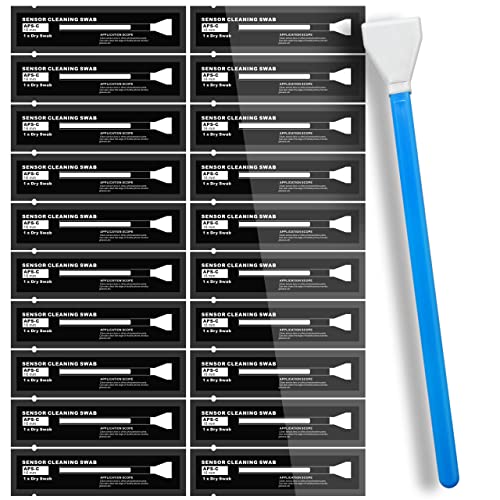
The AAwipes kit contains 20 sensor-cleaning swabs listed as 16mm wide for APS-C DSLR or SLR sensors. Like the KuuZuse product, these are maintenance tools rather than camera lenses. They may help remove stubborn marks from a sensor after loose dust has been removed. Clean sensor glass can help prevent dark spots that become obvious at small apertures.
Sensor swabs need careful use. I would first confirm the camera sensor size and read the camera manual. Use each swab only as directed, avoid touching the working surface, and never reuse a swab after it collects dust. Photographers who own several interchangeable lenses may find a dedicated swab pack useful, but anyone who feels unsure should use a qualified camera service center instead.
Pros:
- Designed around APS-C sensor cleaning
- 20 swabs provide multiple cleaning attempts
- 16mm width targets a common crop sensor format
- Useful for photographers who change lenses outdoors
- Can help address sensor marks that affect many lenses
- Small size makes storage in a camera bag simple
Cons:
- Not a lens and cannot change focal length or image quality
- Incorrect use may risk sensor damage
- Users must confirm the swab width fits their sensor
- Single-use tools can add ongoing maintenance cost
What Amazon Buyers Are Saying
In this product category, buyers often value the number of swabs and the convenience of cleaning at home. Some users report good results with ordinary dust or marks, while others prefer professional cleaning for difficult stains. Review patterns can differ by camera model and technique. I would pay close attention to comments about fit, residue, packaging, and instructions before ordering.
My Recommendation
I recommend these swabs only for careful APS-C owners who understand sensor cleaning. They are a practical maintenance item, but they should not be part of a lens comparison. If you only need a safe basic cleanup, a professional service may be the better choice.
How to Choose Best Lenses for Crop Sensor Camera
Choosing the best lenses for crop sensor camera bodies starts with the camera mount. Then consider the view you need, the light you shoot in, and the weight you can carry. A lens that looks excellent on paper may still be a poor buy if it does not fit your body or suit your subjects.
1. Match the Lens Mount and Sensor Format
Check the mount before you compare price or sharpness. Canon RF-S lenses fit Canon RF-mount APS-C mirrorless cameras. Canon EF-S lenses fit compatible Canon APS-C DSLRs. An EF-S lens does not mount directly to an RF camera, and an RF-S lens does not fit an older EF-S DSLR.
Adapters can change compatibility, but they also add cost and size. They may affect autofocus, stabilization, or camera functions. For the simplest setup, choose a native lens made for your camera mount.
2. Choose Focal Length for Your Main Subjects
Focal length controls how much of the scene fits in the frame. A standard zoom such as 18-45mm works well for daily photos, travel, and family use. A 10-22mm zoom gives a much wider view for buildings, rooms, and landscapes. A telephoto lens suits sports, wildlife, and distant subjects.
Remember the crop factor. An APS-C sensor shows a narrower view than a full-frame sensor with the same focal length. On Canon APS-C cameras, a 10mm lens gives a view similar to about 16mm on full frame. This does not change the lens’s true focal length, but it helps you understand the final image.
3. Balance Aperture, Weight, and Value
A wider aperture, shown by a smaller f-number, lets in more light. It can also create softer backgrounds. Fast lenses often cost more and weigh more. A compact kit zoom may be the better choice for travel, while a fast prime may be better for indoor portraits.
Also check autofocus, stabilization, filter size, close-focus ability, and weather protection. Read the warranty terms and recent buyer feedback. The best lenses for crop sensor camera owners are not always the most expensive ones. They are the lenses that match the camera, subject, budget, and shooting style.
Final Verdict: Which Should You Buy?
For Canon APS-C mirrorless users, the Canon RF-S 18-45mm is the best direct match here. For Canon DSLR owners who need an ultra-wide view, the EF-S 10-22mm is the stronger specialist pick.
Choose the best lenses for crop sensor camera use by checking mount, focal length, aperture, and weight first. The cleaning kits help maintain your gear, while the Insta360 is a separate vlogging camera.
FAQs Of best lenses for crop sensor camera
What is the best lens for a crop sensor camera?
The Canon RF-S 18-45mm is a strong everyday choice for Canon RF-mount APS-C mirrorless cameras. It is compact and covers common shooting needs.
Is the Canon EF-S 10-22mm good for APS-C cameras?
Yes. It is a useful wide-angle zoom for compatible Canon APS-C DSLR cameras. Check the mount before buying.
Can I use an RF-S lens on a Canon DSLR?
No. RF-S lenses are made for Canon RF-mount mirrorless cameras. They do not mount directly on Canon EF-S DSLR bodies.
What lens is best for low-light crop sensor photography?
A lens with a wide aperture, such as f/1.8 or f/2.8, usually performs better in low light than a slow kit zoom.
Do sensor cleaning swabs improve lens quality?
No. Swabs clean the camera sensor. They do not change a lens’s sharpness, aperture, autofocus, or focal length.