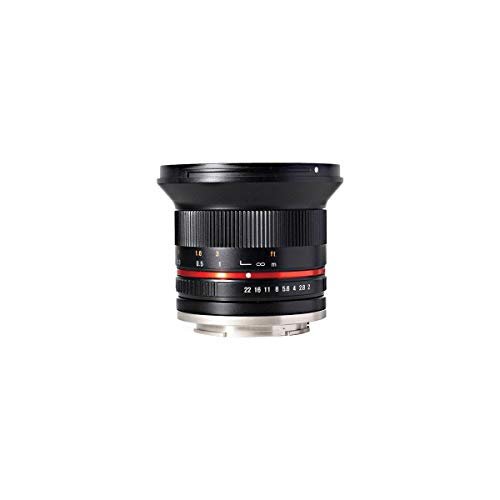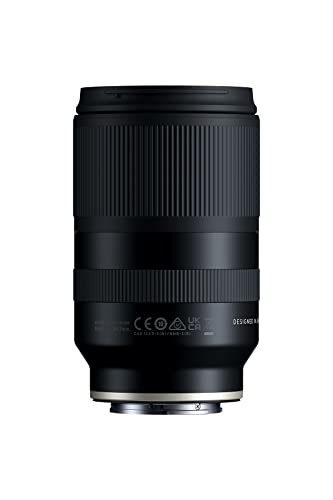
The best camera lens depends on what you photograph, where you shoot, and how much you can carry. For most photographers in the United States, a standard zoom lens is the best first lens because it covers daily photos, travel, family events, and basic video without forcing you to change lenses.
If you mainly shoot portraits, a 50mm or 85mm prime lens may be better. For landscapes, a wide-angle lens works well. For wildlife and sports, choose a telephoto lens. The right lens is not the most expensive one. It is the lens that fits your subject, camera mount, sensor size, and working distance.

Quick answer: What is the best camera lens?
There is no single best camera lens for every photographer. Use this table to find the best starting point for your needs.
| Main use | Best lens type | Useful focal length |
|---|---|---|
| Everyday photos and travel | Standard zoom | 24–70mm or 24–105mm |
| Portraits | Fast prime or short telephoto | 50mm, 85mm, or 70–200mm |
| Landscapes and interiors | Wide-angle lens | 14–35mm or 16–35mm |
| Wildlife and sports | Telephoto zoom or prime | 100–500mm or longer |
| Street photography | Compact prime | 28mm or 35mm |
| Macro and close-up work | Macro lens | 60mm, 90mm, or 100mm |
| Astrophotography | Fast wide-angle prime | 14mm, 20mm, or 24mm |
| Video and interviews | Standard zoom or prime | 24–70mm or 35mm |
For a first interchangeable-lens camera, a 24–70mm-equivalent zoom is often the most flexible choice. On an APS-C camera, this may be a lens around 16–50mm or 18–55mm. On a Micro Four Thirds camera, a lens around 12–35mm provides a similar view.
A prime lens has one focal length. A zoom lens covers a range. Prime lenses often offer a wider maximum aperture and a smaller size, while zoom lenses offer more framing choices.
How to choose the best camera lens
Choose a lens by matching five factors: subject, focal length, maximum aperture, camera format, and lens mount.
1. Start with your subject
Your subject sets the basic lens requirement.
- People: Choose a normal or short telephoto lens.
- Distant subjects: Choose a telephoto lens.
- Large scenes: Choose a wide-angle lens.
- Small objects: Choose a macro lens.
- Low-light scenes: Choose a lens with a wide maximum aperture.
- Moving subjects: Choose a fast lens with autofocus that suits your camera.
A lens cannot solve every problem. A 200mm lens can bring a distant bird closer in the frame, but it cannot replace a wide lens for a small room. A 14mm lens can show a large landscape, but it may stretch faces near the edge of the frame.
2. Decide whether you need a prime or zoom
A prime lens has a fixed focal length, such as 35mm, 50mm, or 85mm.
Prime lenses can be a good choice when you want:
- A wide aperture for low light
- Strong background blur
- A smaller camera kit
- A simple way to learn composition
- High optical performance at a modest size
A zoom lens covers several focal lengths, such as 24–70mm or 70–200mm.
Zoom lenses can be better when you need:
- Fast changes in framing
– One lens for travel - Less gear in a bag
- A safe choice for events or family photos
- The ability to work from a fixed position
The key trade-off is simple: primes often give more light and blur, while zooms give more range and speed of use.
3. Check the maximum aperture
The maximum aperture is the widest opening of the lens. It is written as an f-number, such as f/1.4, f/2.8, or f/4.
A smaller f-number means a wider opening. A wide aperture can:
- Let in more light
- Support faster shutter speeds
- Create a softer background
- Help autofocus in some low-light conditions
A lens with an f/2.8 maximum aperture generally admits more light than a lens with an f/4 maximum aperture. However, wide-aperture lenses are often larger, heavier, and more costly.
For daylight travel, an f/4–f/5.6 zoom may be enough. For indoor events, night scenes, and portraits, an f/1.4–f/2.8 lens may be more useful.
4. Match the lens to your camera sensor
Focal length does not change, but the view changes with sensor size.
A smaller sensor captures a narrower part of the image from the same lens. This is often described with a crop factor or equivalent focal length.
Approximate comparisons:
| Camera format | Common crop factor | 50mm lens field of view |
|---|---|---|
| Full frame | 1× | 50mm-equivalent |
| APS-C Canon | 1.6× | About 80mm-equivalent |
| APS-C Nikon, Sony, Fujifilm | About 1.5× | About 75mm-equivalent |
| Micro Four Thirds | 2× | 100mm-equivalent |
The crop factor is useful for comparing framing. It does not mean that a 50mm lens physically becomes a different lens.
For example, a 35mm lens on an APS-C camera often gives a view similar to a 50mm lens on a full-frame camera. A 25mm lens on Micro Four Thirds gives a similar view to a 50mm full-frame lens.
5. Confirm the lens mount
A lens must match your camera mount. Common mirrorless mounts include:
- Canon RF
- Nikon Z
- Sony E
- Fujifilm X
- Micro Four Thirds
- Leica L
Older DSLR mounts include Canon EF, Nikon F, Pentax K, and Sony A. Some DSLR lenses work on newer mirrorless cameras with an official adapter, but autofocus, stabilization, and video features can vary.
Do not buy a lens based only on brand name. Check the exact mount and whether the lens is made for full frame or a smaller sensor.

Best camera lens by photography type
The best lens changes with the job. The following recommendations focus on practical focal lengths rather than one brand or model.
Best lens for everyday photography
A standard zoom is usually the best all-purpose lens.
For full-frame cameras, common choices include:
- 24–70mm
- 24–105mm
- 28–75mm
For APS-C cameras, common choices include:
- 16–50mm
- 16–80mm
- 18–55mm
- 18–135mm
For Micro Four Thirds cameras, common choices include:
- 12–35mm
- 12–60mm
- 14–42mm
A 24–105mm lens gives more reach than a 24–70mm lens. A 24–70mm lens may be smaller or brighter, depending on the model. Choose the wider range when convenience matters most. Choose the wider aperture when low light and background blur matter more.
Best lens for portraits
A 50mm or 85mm prime is a strong choice for portraits on a full-frame camera.
An 85mm lens often gives comfortable working distance and flattering facial proportions. A 50mm lens works well for environmental portraits, indoor spaces, and full-body images.
On APS-C cameras, a 50mm lens gives a view similar to about 75–80mm on full frame. This makes it a common portrait choice. On Micro Four Thirds, a 42.5mm or 45mm lens gives a similar view to an 85–90mm full-frame lens.
A wide aperture can blur the background, but do not use the widest setting automatically. At very wide apertures, the depth of field can become thin. One eye may be sharp while the other is soft. Stopping down slightly can improve the result.
Best lens for landscapes
A wide-angle zoom or prime is usually best for broad landscapes.
Useful full-frame ranges include:
- 14–24mm for very wide scenes
- 16–35mm for general landscapes
- 20–35mm for a natural wide view
A wide lens does not automatically make a landscape better. It can make distant subjects look very small. Move closer to a strong foreground object, such as a rock, tree, or fence, to add depth.
A standard zoom can also be excellent for landscapes. Many strong landscape images use a normal focal length because it gives a less exaggerated view.
Best lens for wildlife
Wildlife usually requires a telephoto lens, often at least 300mm on a full-frame camera.
Common choices include:
- 100–400mm for flexible outdoor work
- 150–600mm for distant animals and birds
- 200–600mm for extra reach
- 300mm or 400mm primes for specialized work
Long lenses magnify camera shake and subject movement. Image stabilization can help with hand shake, but it does not freeze a moving animal. A faster shutter speed is still needed for birds, running animals, and other action.
A telephoto lens also compresses distance. This can make a busy background look closer to the subject.
Best lens for sports
Sports photography benefits from a fast telephoto lens with reliable autofocus.
For indoor sports, a 70–200mm f/2.8 lens is a common professional choice because it combines reach with a wide aperture. For outdoor sports, a 100–400mm or 200–600mm lens may provide more reach.
Your choice depends on where you can stand. A 200mm lens may be enough from the sideline but too short from the back of a stadium. A 400mm lens may frame distant action well but be difficult to use for nearby players.
Look for:
- Fast autofocus
- A useful focus limiter
- A wide maximum aperture
- Good handling
- Weather protection when needed
- Compatible image stabilization modes
Best lens for street photography
A 28mm or 35mm prime is often a practical street lens on full frame.
A 35mm lens shows enough of the setting while keeping the subject prominent. A 28mm lens gives a wider view for crowded streets and close work. A 50mm lens offers a tighter, more selective view.
Small size matters. A compact lens attracts less attention and is easier to carry for several hours. The best street lens is often the one you are willing to take with you.
Best lens for macro photography
A true macro lens is the best choice for detailed close-ups of flowers, insects, products, and small objects.
Macro lenses are commonly available around:
- 60mm
- 90mm
- 100mm
- 105mm
- 180mm
A longer macro lens gives more working distance. This can help with insects and delicate subjects. A shorter macro lens may be lighter and easier to use for products or tabletop work.
Check the lens specifications for its maximum reproduction ratio. A 1:1 macro lens can record a subject at life size on the camera sensor.
Best lens for astrophotography
Astrophotography often benefits from a fast wide-angle lens.
Useful options include 14mm, 20mm, and 24mm lenses with a wide aperture. A wide lens allows longer shutter speeds before star movement becomes obvious across the frame, although the exact limit depends on focal length, camera resolution, and the desired result.
A fast aperture helps gather more light. Coma, corner sharpness, manual focus control, and resistance to flare also matter. Autofocus is less important because many night-sky images use manual focus.

Image stabilization, autofocus, and other lens features
Lens features matter only when they solve a real shooting problem.
Optical image stabilization
Optical image stabilization, also called OIS, IS, VR, or VC, moves lens elements to reduce the effect of hand shake.
It can help when photographing still subjects at slow shutter speeds. It does not stop a person, bird, car, or child from moving. Some cameras and lenses can work together for stronger stabilization, but the benefit depends on the camera and lens combination.
Autofocus motor
Modern lenses may use different autofocus motor designs. Names vary by brand, but the practical questions are:
- Does the lens focus quickly enough for your subject?
- Does it track moving subjects reliably with your camera?
- Is it quiet enough for video?
- Does it focus accurately in low light?
Manufacturer specifications can confirm features such as focus distance, motor type, and compatibility. Independent tests may reveal differences in speed, noise, and tracking, but those results can vary by camera body and firmware.
Weather resistance
Weather sealing can reduce the risk from light rain, dust, and moisture when the camera and lens are used as a matched system. It is not the same as waterproofing.
Follow the camera and lens maker’s instructions. Avoid changing lenses in blowing dust or heavy rain. Dry wet gear before storing it, and use a sealed bag when moving from a cold outdoor location into a warm, humid room to reduce condensation.
Filter thread and hood
A front filter thread lets you attach filters such as:
- Circular polarizers
- Neutral-density filters
- Clear protective filters
A lens hood can reduce stray light and help protect the front element from small impacts. Filter size varies, so confirm the diameter before buying accessories.
How much should you spend on a camera lens?
Spend based on the feature that affects your photos most. A higher price may buy a wider aperture, better edge sharpness, stronger construction, faster autofocus, or a longer focal-length range. It does not guarantee better images for every subject.
A sensible buying order is:
- Buy the correct focal length.
- Confirm mount and sensor coverage.
- Choose the aperture that fits your light.
- Check autofocus and stabilization needs.
- Compare size, weight, and price.
- Read tests for the exact camera body you use.
A used lens can offer good value, but inspect the glass, mount, focus ring, zoom ring, aperture control, and autofocus. Ask whether the lens has been dropped, exposed to moisture, or repaired. Test it before the return period ends.
Third-party lenses can be excellent alternatives. Confirm firmware support, autofocus behavior, camera compatibility, and warranty terms in the United States.
Common camera lens mistakes
Many lens problems come from buying for a label instead of a real shooting need.
Buying the widest aperture without a reason
An f/1.2 or f/1.4 lens may be useful for portraits or low light, but it can be large and expensive. If you mostly shoot outdoors at f/5.6, the extra cost may not improve your results.
Ignoring working distance
A focal length changes how far you stand from the subject. If you cannot step back in a small room, an 85mm lens may be too tight. If you photograph shy wildlife, a short lens may force you too close.
Confusing zoom range with image quality
A lens with a large zoom range is convenient, but it may have a smaller maximum aperture or more visible optical limits. Convenience and optical performance are separate factors.
Assuming stabilization freezes action
Stabilization helps reduce camera movement. It does not freeze a moving subject. Use a fast shutter speed for action.
Forgetting the crop factor
A 50mm lens may act like a short telephoto on APS-C or Micro Four Thirds. Check the field of view before buying.
Buying a lens that does not cover the sensor
Some lenses are designed for smaller sensors. They may work on a full-frame camera in a crop mode, but this reduces the image area used. Confirm coverage before purchase.
A simple camera lens buying method
Use this five-step process before you buy.
- Write down your main subject. Choose one primary use, such as portraits, travel, wildlife, or indoor events.
- Choose the field of view. Decide whether you need wide, normal, or telephoto framing.
- Set a practical aperture. Choose a wider aperture for low light, moving subjects, or background blur.
- Check compatibility. Confirm the mount, sensor coverage, autofocus support, and stabilization behavior.
- Compare the total kit. Include the lens, hood, filters, case, tripod collar, adapter, and repair or warranty terms.
A useful test is to examine your current photos. If many images are too tight, you need more reach or a wider lens. If many are blurry indoors, you may need a wider aperture, better support, higher ISO, or a faster shutter speed. The lens is only one part of that problem.

Frequently asked questions
Is a 50mm lens the best camera lens?
A 50mm lens is a strong general-purpose option on a full-frame camera. It is useful for portraits, street scenes, food, travel, and everyday photos. On APS-C and Micro Four Thirds cameras, it gives a narrower view that may suit portraits better than general indoor photography.
Is a 35mm or 50mm lens better?
A 35mm lens shows more of the scene and works well for travel, street photography, indoor photos, and environmental portraits. A 50mm lens gives a tighter view and can provide more subject separation. Choose 35mm for context and 50mm for a more focused view.
Is a prime lens better than a zoom lens?
Neither is always better. A prime lens may offer a wider aperture, lower weight, and a simpler design. A zoom lens may be more useful for travel, events, and fast-changing subjects. Your shooting style should decide.
What lens should a beginner buy first?
A beginner will usually benefit from a standard zoom supplied with the camera or a quality 24–70mm-equivalent zoom. A 35mm or 50mm prime is a good second lens when the photographer wants better low-light performance or more background blur.
Does lens brand matter?
The brand matters for mount compatibility, autofocus support, service, and warranty. It does not by itself determine image quality. Compare the exact lens model, camera body, focal length, aperture, handling, and support terms.

Conclusion: choosing the best camera lens
The best camera lens is the one that matches your main subject and your camera system.
Choose a standard zoom for flexibility, a 35mm or 50mm prime for everyday photography, an 85mm lens for portraits, a wide-angle lens for large scenes, a macro lens for close-ups, and a telephoto lens for wildlife or sports. Then confirm the mount, sensor coverage, aperture, autofocus, stabilization, size, and price.
Your next step is simple: review the photos you take most often and identify the framing problem you face. If you need more reach, buy a telephoto lens. If you need more light, choose a wider aperture. If you need speed and flexibility, choose a zoom.