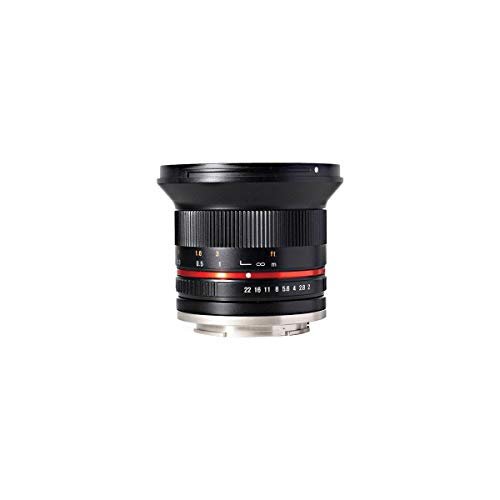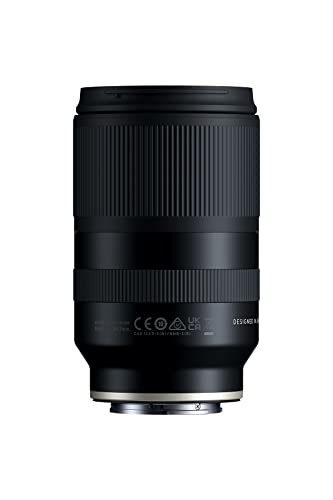
For most photographers in the United States, the lens is more important than the camera body for image quality and creative control. A good lens affects sharpness, depth of field, perspective, contrast, distortion, and how much light reaches the sensor.
The camera body still matters. It controls autofocus, burst speed, image stabilization, video features, sensor performance, controls, and handling. The right choice depends on what you photograph and where the current limit in your system appears.
Introduction
If you must choose between a better camera body and a better lens, start with the lens in most cases. A quality lens can stay useful through several camera upgrades, while a newer body cannot fix a lens that is too slow, too soft, too wide, or too narrow for your subject.
This does not mean every expensive lens is better for every photographer. A professional sports photographer may gain more from a fast autofocus body than from replacing an already suitable telephoto lens. A landscape photographer may gain more from a sharp wide-angle lens than from moving from one modern full-frame body to another.
The best answer is therefore practical: buy the lens that solves your main photographic problem, then buy the body that supports the way you shoot.

What Does the Camera Body Do?
The camera body contains the sensor, processor, shutter, autofocus system, viewfinder, controls, battery, and memory-card interface. It records the image formed by the lens and determines how quickly and reliably the camera can respond.
A body can affect these parts of the shooting process:
- Autofocus speed and subject tracking
- Low-light image quality
- Dynamic range and highlight recovery
- Burst speed and buffer size
- Video resolution and frame rates
- In-body image stabilization
- Battery life
- Weather sealing
- Viewfinder quality
- Camera controls and handling
The body also sets the basic camera system. A Canon RF body accepts Canon RF lenses, while a Nikon Z body accepts Nikon Z lenses. Adapter options can expand compatibility, but they may affect autofocus, stabilization, or other features.
The sensor matters, but newer does not always mean better
The sensor receives light from the lens. Sensor size affects field of view, depth of field, noise, and lens choices.
Common digital camera formats include:
- Full frame
- APS-C
- Micro Four Thirds
- Medium format
A larger sensor can make it easier to create a shallow depth of field at the same framing and aperture. It may also offer an advantage in noise or dynamic range, depending on the sensor generation and shooting conditions.
However, sensor size is not a simple quality score. A modern APS-C camera can produce excellent images. A skilled photographer with a smaller sensor and a strong lens may create better work than someone using a more expensive full-frame body with a poor lens or weak technique.
Autofocus can make the body the priority
Autofocus is one of the clearest cases where the camera body may matter more than the lens. Newer bodies may offer better subject detection, face tracking, eye detection, and focus performance in difficult light.
For example, a body upgrade may help if you photograph:
- Children who move quickly
– Birds in flight - Sports
- Weddings
- Events
- Wildlife
- Fast-moving vehicles
The lens still matters because its autofocus motor must move the focusing elements. A fast camera body cannot make a slow or unreliable lens focus instantly. The body and lens work as one autofocus system.
Stabilization helps, but it cannot stop subject motion
Some camera bodies include in-body image stabilization, often called IBIS. It can reduce blur caused by your hand movement during a still photograph.
Stabilization does not freeze a moving person, animal, or car. A faster shutter speed is still needed when the subject moves. A stabilized body may help with a static landscape, interior, or product shot, but it cannot replace a fast lens for action or low-light subjects.

What Does the Lens Do?
The lens gathers and focuses light onto the sensor. It has a direct effect on the appearance of the photograph, often more visibly than a modest body upgrade.
A lens controls:
- Focal length
- Maximum aperture
- Perspective
- Depth of field
- Background blur
- Sharpness
- Contrast
- Distortion
- Vignetting
- Flare resistance
- Autofocus behavior
- Working distance
The lens is the part of the system that gives a photograph its visual character. A 24mm lens and an 85mm lens do not simply show different amounts of the scene. They also create different working distances and perspectives.
Focal length changes composition and perspective
Focal length determines how wide or narrow the lens appears on a given camera format.
Examples include:
- Wide-angle lenses for landscapes, buildings, interiors, and environmental portraits
- Standard lenses for travel, street photography, and everyday use
- Short telephoto lenses for portraits
- Long telephoto lenses for sports, wildlife, and distant subjects
- Macro lenses for close-up work
Perspective changes when you move the camera, not merely when you zoom. A wide lens used close to a face can make the nose appear larger. A longer lens used farther away can produce a flatter-looking portrait.
This is why a lens upgrade may improve your photos more than a body upgrade. It can change what you photograph and how you approach the subject.
Aperture controls light and depth of field
Aperture is the opening inside the lens. It is expressed with f-numbers such as f/1.4, f/2.8, and f/4.
A lower f-number means a wider opening. A wide aperture can:
- Let in more light
- Allow a faster shutter speed
- Create a shallower depth of field
- Make it easier to separate a subject from the background
For example, an f/1.8 prime lens usually gathers more light than an f/4 zoom at the same focal length. That difference may help in a dim restaurant, a wedding venue, or an indoor sports hall.
A wide aperture does not always produce a better photograph. Landscape images may need more depth of field. A portrait photographer may need to stop down to keep both eyes sharp. The useful aperture depends on the subject and the intended result.
Optical quality has visible limits
A lens may show:
- Soft corners
- Chromatic aberration
- Distortion
- Vignetting
- Low contrast
- Flare
- Focus breathing during video
Modern software can correct some lens defects. It cannot fully replace the effect of a wider aperture, a different focal length, or better control of flare and contrast.
A high-resolution camera can reveal lens weaknesses more clearly. This does not mean the lens must always be the most expensive part of the kit. It means the lens should match the sensor, subject, and expected output.

Which One Matters More for Image Quality?
For many photographers, the lens matters more for the look of the image. The body matters more for capture performance.
A useful way to divide the decision is:
| Photography need | More important factor |
|---|---|
| Background blur | Lens |
| Perspective and framing | Lens |
| Low-light exposure | Lens, then body |
| Subject tracking | Body and lens together |
| High burst rates | Body |
| Large prints | Lens and sensor |
| Video autofocus | Body and lens together |
| Handheld static scenes | Body stabilization and lens |
| Sports and wildlife | Body speed, lens reach, and autofocus |
| Landscape photography | Lens quality and dynamic range |
| Portrait photography | Lens aperture and focal length |
| Travel photography | Lens versatility, then body size |
This table is a starting point, not a universal rule. Your current equipment matters more than a general ranking.
A lens usually changes the photograph more
Replacing a basic kit zoom with a fast prime lens may produce a clear change in:
- Background separation
- Low-light shutter speed
- Subject isolation
- Contrast
- Framing
- Depth of field
Replacing a recent camera body with a similar-generation model may produce a smaller visible change in a normal daylight photograph. The newer body may still offer better autofocus, battery life, controls, or video options.
The difference is easy to see when the old body lacks a feature you need. If your current camera misses focus, overheats during video, lacks the needed frame rate, or cannot handle the required lens, the body becomes the priority.
The output size affects the decision
A lens and body may look nearly equal in a small web image. Their differences become easier to see in:
- Large prints
- Heavy crops
- Commercial work
- Fine-art photography
- Product photography
- Images made with high-resolution sensors
For social media or small prints, composition, light, timing, and focus may matter more than small differences in sensor resolution or lens sharpness.

When Should You Upgrade the Lens First?
Upgrade the lens first when the lens creates a clear limitation in your images or prevents you from making the images you want.
A lens upgrade is often the better choice when:
- Your photos look soft even with good focus technique
- Your current lens is too slow in low light
- You want stronger background blur
- You need a wider or longer focal length
- Your kit zoom limits your composition
- You see distracting flare or distortion
- You need a dedicated portrait, macro, or wildlife lens
- You want a smaller prime lens for travel
- You plan to keep the same camera system for several years
Example: portrait photography
Suppose you use a basic 18–55mm f/3.5–5.6 zoom on an APS-C camera. Moving to a 50mm or 85mm lens with a wide maximum aperture may create a larger improvement in portrait results than buying a newer body.
The new lens can offer more background separation and better performance indoors. It can also encourage better subject distance and composition.
Example: landscape photography
A landscape photographer may benefit more from a sharp wide-angle lens, a sturdy tripod, or filters than from a body with a slightly newer sensor.
The body still affects dynamic range and high-resolution detail. Yet a camera upgrade will not give you the field of view, corner performance, or flare control of a lens designed for the scene.
Example: travel photography
Travel photographers often face a choice between a small prime lens and a large professional zoom. The best answer depends on whether size, flexibility, low-light ability, or image quality matters most.
A compact lens can make the camera easier to carry. That may lead to more photographs than a technically better kit that stays in a hotel room.

When Should You Upgrade the Camera Body First?
Upgrade the body first when the camera prevents you from focusing, recording, or handling the scene properly.
A body upgrade may be the right choice when:
- Autofocus misses important subjects
- Subject tracking is unreliable
- You need a faster burst rate
- The buffer fills too quickly
- You need better video features
- You need improved low-light performance
- The camera lacks a useful viewfinder or screen
- The body has poor battery life for your work
- You need stronger weather protection
- Your current body does not support the lenses or accessories you need
Example: sports and wildlife
Sports and wildlife photographers often need a balance of body speed and lens reach. A high-speed body cannot replace a long lens, and a long lens cannot compensate for poor subject tracking.
If the lens already provides the needed reach and aperture, a newer body may improve keeper rate through better autofocus and burst performance. If the body focuses well but the subject remains too small in the frame, the lens is the more urgent upgrade.
Example: event photography
Event photographers may need dependable autofocus, strong high-ISO results, dual card slots, long battery life, and fast operation. These body features can reduce missed moments and improve reliability during long assignments.
A bright lens remains valuable. A fast prime or f/2.8 zoom can reduce the need for high ISO and help separate people from distracting backgrounds.
Example: video
For video, the body may become more important because it controls recording formats, frame rates, heat management, stabilization, autofocus behavior, microphone inputs, and monitoring tools.
The lens still affects focus breathing, aperture, image angle, low-light performance, and background rendering. Video creators should assess the complete body-and-lens combination rather than judging either part alone.

How to Decide Between a Better Body and a Better Lens
Use this five-step process before spending money.
1. Identify the exact problem
Do not begin with the product category. Begin with the failure.
Ask:
- Is the image too soft?
- Is the subject too far away?
- Is the background too distracting?
- Is the image too dark?
- Does autofocus miss?
- Is the camera too slow?
- Is the kit too large?
- Do you need a feature for video?
A clear problem usually points toward the right upgrade.
2. Check whether technique causes the problem
Blur may come from camera shake, subject movement, missed focus, a slow shutter speed, or a lens defect. Review the shutter speed, aperture, ISO, and focus point in a few problem images.
A faster shutter speed can fix motion blur. Better support can reduce camera shake. Changing the autofocus mode may solve missed focus. Buying equipment before checking these causes can waste money.
3. Compare the current gear with the needed specification
Write down the feature that matters. Examples include:
- A 300mm focal length
- An aperture of f/2.8 or wider
- Eye-detection autofocus
- 4K recording
- Two card slots
- A faster burst rate
- Weather resistance
- A lighter travel setup
Then compare your current equipment with the minimum specification you need. Avoid paying for features that do not solve your problem.
4. Consider the whole system
Check compatibility before buying.
Confirm:
- Lens mount
- Sensor format
- Autofocus support
- Adapter limitations
- Stabilization behavior
- Filter size
- Battery system
- Memory-card type
- Weather-sealing limits
- Video compatibility
A lens may mount physically but lose autofocus or electronic control through an adapter. Read the camera and lens manufacturer documentation for the exact models.
5. Rent or borrow when the decision is costly
A short rental can reveal whether the real limit is focal length, weight, autofocus, or aperture. Test the equipment in the same conditions where you normally shoot.
Look for signs of success:
- More in-focus images
- Better framing
- Fewer missed moments
- Faster work in low light
- Less need for cropping
- A kit you are willing to carry

Camera Body Versus Lens: Budget Priorities
A balanced system is usually better than spending nearly the entire budget on one part.
A practical budget plan might look like this:
| Budget priority | Best use |
|---|---|
| Basic camera plus strong lens | Portraits, landscapes, street work |
| Midrange body plus versatile zoom | Travel and general photography |
| Fast body plus bright lens | Sports, wildlife, weddings |
| High-resolution body plus sharp lens | Commercial and large-print work |
| Compact body plus small prime | Everyday and travel photography |
These are categories, not fixed spending rules. Used equipment can change the balance. A reliable older body paired with a good lens may outperform a new entry-level body with a poor lens for many still subjects.
Do not ignore accessories. A tripod, spare battery, memory card, camera bag, flash, or light modifier may solve a real problem more cheaply than a new body or lens.
Avoid buying equipment based only on resolution. More megapixels can reveal more detail, but they can also reveal camera shake, missed focus, and lens limitations. The benefit depends on technique, lens quality, subject distance, and final image size.

Common Mistakes to Avoid
Assuming the most expensive lens is always the best lens
A professional lens may be too heavy, too large, or too specialized for your needs. A smaller lens that you use often may provide more practical value.
Blaming the body for a lens problem
If the subject is too small, the body cannot create reach. If the background is too sharp, the body cannot create the same optical effect as a wider-aperture lens.
Blaming the lens for a body problem
If autofocus tracking fails, changing to a sharper lens may not solve the problem. The body, lens motor, focus settings, and light level all affect focus performance.
Comparing images made under different conditions
A daylight image at ISO 100 should not be compared with an indoor image at ISO 6400. Compare similar scenes, settings, focal lengths, and output sizes.
Ignoring ergonomics
A camera that feels uncomfortable may reduce how often you use it. Weight, grip shape, control layout, viewfinder quality, and screen movement can affect real-world results.
Buying for future needs that are not defined
Future-proofing has limits. Buy for a clear need, not an imagined assignment. Camera technology changes, and unused features do not improve photographs.

Frequently Asked Questions
Is a cheap camera with an expensive lens better than an expensive camera with a cheap lens?
For many still subjects, a cheaper body with a suitable, high-quality lens can produce better-looking images than an expensive body paired with a weak or unsuitable lens. The expensive body may still be better for autofocus, speed, video, or difficult conditions.
Does a better lens improve image resolution?
It can improve recorded detail if the old lens is limiting sharpness, contrast, focus accuracy, or corner performance. The result also depends on focus technique, shutter speed, sensor resolution, atmospheric conditions, and viewing size.
Should beginners buy a camera body or lens first?
Beginners should first choose a body that has the controls and features they can use comfortably. After learning the basic settings, a lens upgrade often provides a more visible change in perspective, aperture, and background blur.
Is full frame more important than having a good lens?
Not always. Full frame can provide advantages in depth of field, noise, and lens selection, but a good lens on an APS-C or Micro Four Thirds camera can produce excellent results. The best format depends on budget, size, subject, and required output.
How long does a camera lens last?
A lens can remain useful for many years if it is compatible with your system and remains in good working condition. Camera bodies tend to receive faster technology updates, while a suitable lens may stay in a kit through several body upgrades.

Final Answer: Which Is More Important?
The lens is usually more important for the look and creative potential of a photograph. It controls perspective, focal length, aperture, depth of field, and much of the image’s optical character.
The camera body is more important when speed, autofocus, video, low-light processing, stabilization, or reliability is the main limitation. Sports, wildlife, weddings, events, and video work often place greater demands on the body.
Before upgrading, identify the problem in your current images. If the problem is framing, light, background blur, or optical quality, choose a lens. If the problem is focus tracking, speed, recording, handling, or camera reliability, choose a body. The best investment is the part that removes the limit you face most often.