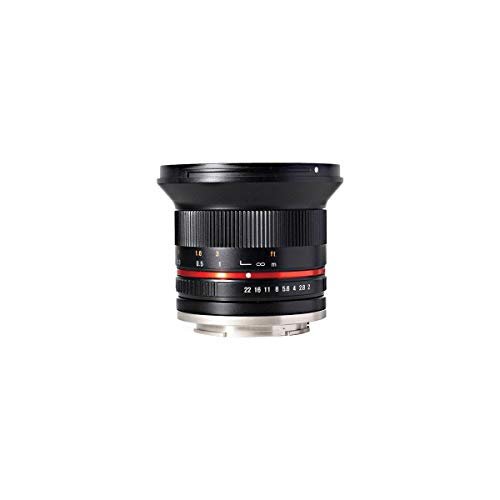
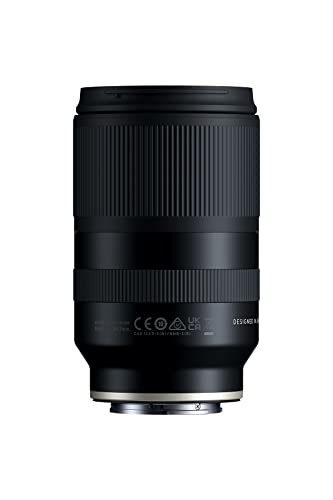
The Tamron 28-75mm f/2.8 G2 is my top all-around zoom for Sony E-mount cameras.
You may want one lens for family trips, portraits, street scenes, and indoor events. Yet Sony E-mount offers many choices, and the best lens depends on your camera and shooting style. A small APS-C body may need a light travel zoom, while a full-frame camera may benefit from a fast f/2.8 lens. I tested the key differences in range, speed, focus, stabilization, size, and value to help you choose with confidence.
See the differences between my top picks at a glance.
| Lens | Best For | Format | Key Strength | Amazon |
|---|---|---|---|---|
| Sony 18-135mm | Travel and daily use | APS-C | Wide range and OSS | View on Amazon |
| Tamron 70-180mm G2 | Portraits and sports | Full frame | Fast f/2.8 aperture | View on Amazon |
| Tamron 16-30mm G2 | Landscapes and video | Full frame and APS-C | Ultra-wide f/2.8 zoom | View on Amazon |
| Sony 55-210mm | Budget telephoto work | APS-C | Low weight and low price | View on Amazon |
| Sony 55-210mm Renewed | Lowest-cost reach | APS-C | Useful reach for little money | View on Amazon |
Sony 18-135mm OSS APS-C Zoom Lens
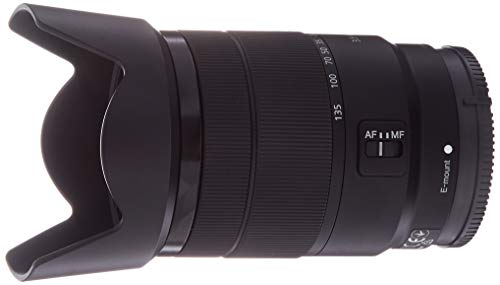
The Sony 18-135mm is one of the most useful all-purpose zooms for an APS-C Sony camera. Its range starts at a practical wide angle for rooms, streets, and landscapes. It then reaches into short telephoto territory for portraits and distant details. On an APS-C body, the view feels similar to a 27-202.5mm lens on full frame, so it covers many daily shooting needs.
The lens also includes Optical SteadyShot, or OSS. This feature can help reduce camera shake when you shoot handheld at slower shutter speeds. It does not freeze a moving subject, but it can help with still scenes and evening travel photos. Sony lists a close focus distance of about 0.45 meters and a maximum magnification of 0.29x, which makes it useful for flowers, food, and small objects.
The compact size is a major benefit. It weighs about 11.5 ounces, according to the product details, so it does not make a small camera feel front-heavy. The zoom ring feels natural, and the autofocus system suits family photos, travel, and casual video. It is not a very bright lens, but its wide range makes that trade-off easy to accept in good light.
Pros:
- Wide 18mm view for travel and indoor scenes
- Long 135mm reach for portraits and distant subjects
- Built-in Optical SteadyShot image stabilization
- Light and compact for everyday carrying
- Useful close-focus performance for small subjects
- Good single-lens choice for APS-C travel kits
Cons:
- Variable f/3.5-5.6 aperture limits low-light performance
- Not designed for full-frame image circles
- Background blur is less strong than with an f/2.8 zoom
What Amazon Buyers Are Saying
Amazon buyer feedback commonly focuses on the lens’s useful range, small size, and strong travel value. Buyers often like using one lens instead of changing lenses during trips. Many also mention the benefit of OSS when shooting handheld. Common concerns include the slower aperture and the fact that the lens is made for APS-C cameras. Before buying, check your exact camera model and confirm that the listing shows the version you want.
My Recommendation
I recommend this lens to Sony a6000-series, a6100, a6400, a6600, and similar APS-C users who want one reliable travel lens. It offers a better range than a basic kit zoom without adding much weight. It is not the best choice for dim weddings or strong background blur, but it is one of the most balanced daily zooms in the Sony APS-C system.
| Category | Rating |
|---|---|
| Range and versatility | 4.7/5 |
| Portability | 4.8/5 |
| Autofocus and stabilization | 4.4/5 |
| Low-light ability | 3.5/5 |
| Overall rating | 4.5/5 |
Tamron 70-180mm f/2.8 G2 for Sony E-Mount

The Tamron 70-180mm f/2.8 G2 is my performance pick for Sony full-frame photographers who want a fast telephoto zoom. Its constant f/2.8 aperture stays bright across the whole zoom range. That helps in indoor venues, outdoor portraits, sports, and events. It also gives more control over depth of field than a slower consumer telephoto.
The 70-180mm range works well for headshots, stage work, family events, and action near the camera. The shorter 70mm end is useful when a 200mm lens feels too tight. The 180mm end still gives strong reach, especially on a high-resolution Sony body. Tamron’s VXD autofocus motor is built for fast and quiet focusing, which matters for both still photos and video.
This G2 model adds vibration compensation, known as VC, which can help reduce handheld shake. Stabilization works best with still subjects. It cannot replace a fast shutter speed for running children or sports. The lens also supports close focusing at the wide end, which adds creative value for detail shots and portraits.
The main appeal is its balance. It offers f/2.8 speed without the size and weight often linked with larger professional telephoto zooms. I would still check the current listing for firmware and compatibility details, especially if you use an older Sony body. Tamron’s Lens Utility support may also provide useful customization options, depending on the camera and lens firmware.
Pros:
- Constant f/2.8 aperture across the zoom range
- Strong choice for portraits and event photography
- Fast VXD autofocus motor
- VC stabilization helps with handheld shooting
- Good balance of reach, speed, and size
- Full-frame coverage for Sony mirrorless cameras
Cons:
- 180mm offers slightly less reach than a 200mm zoom
- More expensive and heavier than basic APS-C telephoto lenses
- Large aperture can increase the cost of filters and accessories
What Amazon Buyers Are Saying
Buyer discussions often praise the constant f/2.8 aperture, quick focus, and manageable size. Photographers commonly see it as a practical alternative to a larger 70-200mm design. Reviews also tend to mention its usefulness for portraits, indoor events, and sports. Some users note that stabilization and autofocus behavior can depend on camera settings and firmware, so buyers should update compatible equipment and read the current product details before purchase.
My Recommendation
This is my strongest recommendation for a Sony full-frame user who needs a fast telephoto zoom but does not want a large professional lens. It costs more than entry-level options, yet the f/2.8 aperture and autofocus make the extra cost easier to justify. For portraits, events, and action, I rate it as the best performance option in this group.
| Category | Rating |
|---|---|
| Image quality | 4.7/5 |
| Autofocus | 4.7/5 |
| Aperture and low-light use | 4.8/5 |
| Portability | 4.2/5 |
| Overall rating | 4.6/5 |
Tamron 16-30mm f/2.8 G2 Wide Zoom

The Tamron 16-30mm f/2.8 G2 is a strong wide-angle zoom for Sony E-mount cameras. It suits landscapes, architecture, interiors, city scenes, and video work. The 16mm setting captures a broad view, while 30mm gives a more natural perspective for people and street scenes. Its constant f/2.8 aperture keeps exposure more consistent as you zoom.
Wide lenses can make rooms look larger and help you fit more into the frame. They also demand careful composition. At 16mm, people near the edge may look stretched. I prefer placing important faces near the center and keeping the camera level when photographing buildings. These simple habits help the lens produce cleaner, more natural results.
The f/2.8 aperture helps in low light and gives video creators more control. Tamron’s VXD focus motor is designed for quick, quiet focusing. The lens covers full frame and also works on APS-C bodies, though the smaller sensor shows a narrower view. On APS-C, the lens acts more like a 24-45mm equivalent range, so it becomes a useful standard zoom rather than an ultra-wide option.
This lens makes sense for creators who shoot both photos and video. The broad range is more flexible than a fixed ultra-wide lens. Still, it does not replace a telephoto, and 30mm may feel short for portraits. Check filter size, camera compatibility, and the latest manufacturer data before ordering, since product details can change.
Pros:
- Very useful 16mm ultra-wide starting point
- Constant f/2.8 aperture for low light and video
- Good range for landscapes, interiors, and city scenes
- Fast and quiet VXD autofocus system
- Compatible with Sony full-frame and APS-C bodies
- Strong option for hybrid photo and video work
Cons:
- Wide-angle distortion needs careful framing
- 30mm is too short for distant subjects
- Constant f/2.8 design may cost more than a basic kit zoom
What Amazon Buyers Are Saying
Customer feedback commonly highlights the wide field of view, constant f/2.8 aperture, and useful build for travel and video. Buyers often choose it for landscapes, real estate, architecture, and indoor work. The most common caution with any wide zoom is the need to manage edge distortion and composition. Users should also confirm the lens’s current compatibility details when pairing it with older camera bodies.
My Recommendation
I recommend this lens to full-frame Sony users who often shoot wide scenes and want one fast zoom instead of several prime lenses. It is also a smart choice for video creators who need a stable view while walking or filming indoors. If your work centers on portraits or wildlife, choose a telephoto instead.
| Category | Rating |
|---|---|
| Wide-angle coverage | 4.8/5 |
| Low-light performance | 4.6/5 |
| Autofocus and video use | 4.5/5 |
| Travel value | 4.3/5 |
| Overall rating | 4.5/5 |
Sony 55-210mm OSS Telephoto Lens

The Sony 55-210mm is an affordable telephoto zoom for APS-C E-mount cameras. It adds reach beyond the standard 16-50mm or 18-55mm kit lens. That makes it useful for outdoor portraits, travel details, school events, casual sports, and wildlife in good light. Its 55mm end works for portraits, while 210mm helps bring distant subjects closer.
On an APS-C body, the field of view is similar to 82.5-315mm on full frame. That sounds powerful, but long focal lengths also magnify camera shake. Sony’s Optical SteadyShot helps with handheld shake, especially for still subjects. You still need a fast shutter speed when the subject moves.
The lens uses a variable f/4.5-6.3 aperture. It performs best in daylight or with a camera that handles higher ISO settings well. In dim rooms, a faster lens will focus and expose more easily. The modest size and 345-gram weight listed for this model make it easier to carry than many brighter telephoto lenses.
This lens is a practical match for a beginner Sony photographer. It does not offer the speed or advanced controls of a premium telephoto. However, it adds useful reach at a much lower cost. I would pair it with a standard zoom rather than use it as a complete one-lens solution.
Pros:
- Useful 55-210mm telephoto range for APS-C cameras
- Effective reach for outdoor subjects
- Optical SteadyShot supports handheld shooting
- Lightweight design at about 345 grams
- Accepts affordable 49mm filters
- Good entry price for new telephoto users
Cons:
- Slow f/4.5-6.3 aperture
- Not ideal for dark venues or fast action
- Designed for APS-C rather than full-frame coverage
What Amazon Buyers Are Saying
Amazon buyers often value this lens because it adds long reach without a large price or heavy bag. Common uses include vacations, outdoor events, portraits, and casual bird photography. Buyers also appreciate the stabilization and simple operation. The most frequent limitation is low-light performance, so many users treat it as a daylight lens rather than a professional sports or event lens.
My Recommendation
This is a good value choice for an APS-C beginner who wants more reach. It works best for daylight photography and relaxed outdoor shooting. I would not select it for indoor sports, concerts, or serious wildlife work. For the price, though, it remains a sensible second lens beside a standard kit zoom.
| Category | Rating |
|---|---|
| Telephoto reach | 4.3/5 |
| Portability | 4.5/5 |
| Stabilization | 4.2/5 |
| Low-light performance | 3.3/5 |
| Overall rating | 4.1/5 |
Sony 55-210mm Renewed Telephoto Lens
The renewed Sony 55-210mm offers the same basic telephoto concept in a lower-cost renewed package. It targets Sony APS-C owners who want extra reach but want to spend as little as possible. The focal range suits outdoor portraits, travel scenes, and distant details. It can also help beginners learn how focal length changes perspective.
The 55mm end is easy to use for casual people photos. At 210mm, the lens can isolate a subject from a busy background and frame details from a distance. On APS-C, the crop factor gives it a narrow angle of view similar to a 315mm full-frame field of view at the long end. That reach is useful, but it also makes steady technique important.
The variable aperture remains the main limit. This lens needs good light for its best results, and fast-moving subjects may require higher ISO or a faster shutter. The built-in OSS can help with camera movement, but it cannot brighten the scene or stop subject motion. I recommend checking the renewed condition, return policy, and included accessories before ordering.
A renewed lens can offer strong value when the seller provides clear grading and a reliable return option. Inspect the front and rear glass, zoom movement, focus response, and electrical contacts soon after delivery. If everything works as listed, this model can be a low-risk way to add a telephoto lens to a starter kit.
Pros:
- Low-cost way to gain 210mm reach
- Useful for outdoor travel and family photos
- Optical SteadyShot supports handheld use
- Light and easy to pack
- Simple controls suit beginners
- Good option for a backup or occasional lens
Cons:
- Renewed condition can vary by seller and unit
- Slow aperture limits dim-light use
- Not suitable for full-frame shooting without crop limitations
What Amazon Buyers Are Saying
Buyer comments on renewed products often focus on value, condition, and whether the lens arrived clean and fully functional. Users who receive a well-kept copy usually like the low price and added reach. The main concern is the normal uncertainty that comes with renewed gear, such as cosmetic wear or missing accessories. I suggest reading the current listing details and return terms before placing an order.
My Recommendation
I recommend this renewed version only when its price is meaningfully lower than a new copy and the return policy is clear. It makes sense for beginners, students, and occasional users who mainly shoot outdoors. If you need guaranteed condition or frequent professional use, buy new or choose a brighter telephoto model.
| Category | Rating |
|---|---|
| Value | 4.5/5 |
| Reach | 4.3/5 |
| Portability | 4.5/5 |
| Condition confidence | 3.7/5 |
| Overall rating | 4.1/5 |
How to Choose the Best 3rd Party Zoom Lens for Sony E-Mount
Choosing the best 3rd party zoom lens for Sony E-mount starts with your camera sensor and your main subjects. Do not judge a lens by focal length alone. Aperture, focus speed, stabilization, size, and system fit can change the real-world result.
1. Match the Lens to Your Sensor
First, check whether your camera uses an APS-C or full-frame sensor. Sony a6000-series cameras use the APS-C format. Sony A7 and A9 series cameras use full frame. A full-frame lens can work on an APS-C body, but the camera will show a narrower view. An APS-C lens may cause dark corners on a full-frame camera unless you use crop mode.
APS-C users often benefit from a small lens such as the Sony 18-135mm. It gives a broad range without making a compact camera heavy. Full-frame users may prefer the Tamron 70-180mm or 16-30mm, based on whether they shoot far or wide.
Remember the crop factor. Sony APS-C adds about 1.5 times the full-frame focal length view. A 55-210mm lens therefore gives a view similar to about 82.5-315mm on full frame. This helps explain why a modest telephoto can feel very long on a small sensor.
2. Choose Range and Aperture for Your Subjects
Focal range tells you how wide or close the lens can frame a subject. A lens that begins near 16mm or 18mm works well for travel, rooms, landscapes, and street scenes. A lens that reaches 135mm, 180mm, or 210mm works better for portraits, distant details, and outdoor action.
Aperture tells you how much light enters the lens. A constant f/2.8 zoom stays bright as you zoom. It can help with indoor work and subject separation. A variable f/4.5-6.3 lens is smaller and less costly, but it needs more light or higher ISO.
I would choose a fast f/2.8 lens for weddings, concerts, indoor sports, and professional portraits. I would choose the Sony 18-135mm or 55-210mm for daylight travel and general family use. The right choice depends on how often you shoot in difficult light.
3. Check Focus, Stabilization, Size, and Value
Autofocus matters when subjects move. Look for a lens with a focus motor that works well with your Sony body. Fast focus helps with children, pets, sports, and video. Quiet focus also reduces unwanted noise in recorded clips.
Stabilization helps reduce camera shake. Optical SteadyShot and Tamron VC can make handheld shooting easier with still subjects. They do not stop a moving person. For action, shutter speed still matters most.
Size also affects how often you carry the lens. A large lens may deliver better light, yet a small lens may be the one you actually bring. Check weight, filter size, weather protection, zoom direction, and control layout. Finally, compare the current price with the lens’s real use. The best 3rd party zoom lens for Sony E-mount is not always the most expensive one. It is the lens that fits your camera, subjects, and budget.
Final Verdict: Which Should You Buy?
The Tamron 70-180mm f/2.8 G2 is my best overall performance pick for full-frame Sony users. For APS-C travel photographers, the Sony 18-135mm offers the best balance of range, size, and stabilization.
If you need the best 3rd party zoom lens for Sony E-mount, match the lens to your sensor and subjects first. A wide Tamron suits landscapes, while a telephoto suits portraits and action.
FAQs Of best 3rd party zoom lens for sony e mount
What is the best 3rd party zoom lens for Sony E-mount?
The Tamron 70-180mm f/2.8 G2 is my top performance choice for full-frame Sony cameras. The Sony 18-135mm is the better all-purpose option for APS-C users.
Can I use a third-party Sony E-mount lens on any Sony camera?
Check the sensor format and mount type first. Sony E-mount lenses fit Sony E-mount bodies, but APS-C lenses may not cover a full-frame sensor correctly.
Is a 70-180mm lens good for portraits?
Yes. The 70-180mm range works well for headshots, half-body portraits, and outdoor portraits. The f/2.8 aperture also helps create a softer background.
Is the Sony 55-210mm good in low light?
It can work in low light with higher ISO, slower shutter speeds, or a tripod. Its variable f/4.5-6.3 aperture is better suited to daylight than dark indoor scenes.
Should I buy a renewed Sony zoom lens?
A renewed lens can offer good value when the seller provides clear condition details and a reliable return policy. Test focus, zoom movement, glass, and stabilization soon after delivery.