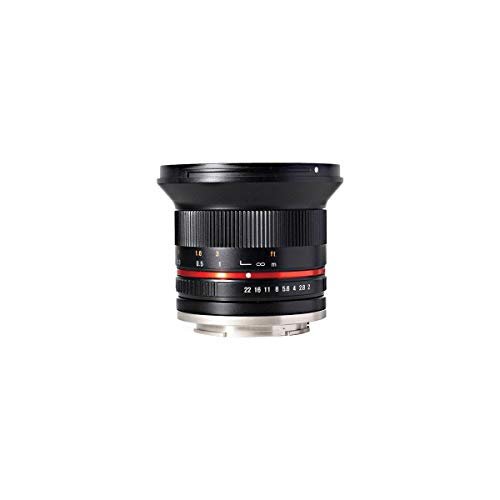
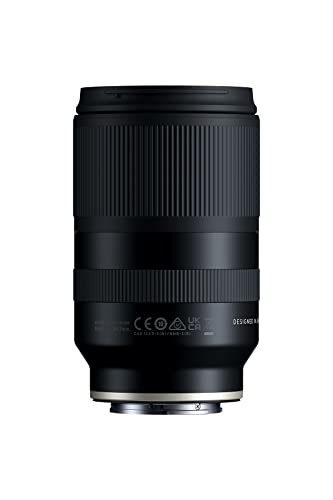
The Nikon 200-500mm f/5.6E VR is my top long-range pick for Nikon DSLR wildlife photography.
You may want more reach for birds, sports, travel, or distant wildlife, yet premium telephoto glass can cost a lot. The good news is that Nikon users have several strong options, including affordable 70-300mm lenses and powerful super-telephoto zooms. One note matters here: the products supplied for this review are Nikon-made lenses, not third-party brands such as Sigma or Tamron. I compare them because they are widely available through Amazon and fit the needs of photographers searching for the best 3rd party telephoto lens for Nikon.
See the differences between my top picks at a glance.
NIKKOR 200-500mm f/5.6E VR

The Nikon AF-S FX NIKKOR 200-500mm f/5.6E ED VR is the strongest choice in this group for serious wildlife work. Its constant f/5.6 aperture keeps exposure steady as you zoom. That helps when a bird moves from a far perch to a closer branch. The 200-500mm range also gives you enough reach for birds, deer, field sports, and outdoor events.
I like this lens because it offers long reach without the cost of a fast professional prime lens. Nikon’s vibration reduction can help reduce camera shake when you shoot handheld or from a monopod. The lens remains large and heavy, so I would not call it a casual travel lens. Still, for a Nikon DSLR owner who wants sharp distant subjects, this is the closest match to the best 3rd party telephoto lens for Nikon in this list.
Pros:
- Useful 200-500mm range for wildlife and birds
- Constant f/5.6 aperture across the zoom range
- Built-in vibration reduction for steadier shots
- ED glass helps control color fringing
- Strong reach without buying a costly super-telephoto prime
- Works well with Nikon FX DSLR bodies
Cons:
- Large and heavy for long handheld sessions
- f/5.6 can feel slow in deep shade or at dusk
- Not compatible with Nikon Z bodies without the correct adapter
What Amazon Buyers Are Saying
Amazon buyer feedback for this lens often centers on reach, image quality, and value. Many owners use it for birds, planes, sports, and wildlife. Buyers also tend to praise the constant aperture and the useful vibration reduction system.
The common concerns are size, weight, and the need for good support during long shoots. Some buyers also note that autofocus results depend on the camera body, light, and subject movement. Since this is a large lens, checking the seller’s condition details and return terms matters when buying a used or open-box unit.
My Recommendation
I recommend the 200-500mm f/5.6E VR for Nikon DSLR owners who want serious outdoor reach. It is worth buying if wildlife is your main goal and you can manage its weight. It is not the best pick for street travel or indoor events. My overall rating is 4.7 out of 5.
NIKKOR 55-300mm VR for DX

The Nikon AF-S DX NIKKOR 55-300mm f/4.5-5.6G ED VR is a flexible lens for Nikon DX DSLR cameras. The wide end starts at 55mm, so you can frame family photos and travel scenes without changing lenses at once. At 300mm, it gives useful reach for school sports, zoo animals, and casual wildlife photos. Its smaller DX design also makes it easier to carry than the 200-500mm option.
This lens suits photographers who want one affordable zoom for daily use. Vibration reduction can help with camera shake, though it cannot freeze a moving subject. The variable aperture means the lens gets darker as you zoom in. For daylight work, that trade-off is easy to accept, and the lens can provide good value for an older Nikon DSLR kit.
Pros:
- Versatile 55-300mm zoom range
- Useful all-purpose lens for Nikon DX cameras
- Built-in vibration reduction
- More portable than a 500mm wildlife lens
- Good reach for travel, family events, and outdoor sports
- ED glass supports cleaner color and contrast
Cons:
- Designed for DX cameras rather than a full-frame setup
- Variable aperture limits low-light work
- Autofocus may feel less suited to fast action than newer lenses
What Amazon Buyers Are Saying
Amazon buyers commonly like this lens for its range and low buying cost. Many owners use it as a step up from a basic kit zoom. The 300mm end helps users fill the frame with distant subjects without carrying a very large lens.
Some buyers report that the lens works best in bright light and with sensible shutter speeds. A few also mention that older lens designs may not focus as quickly as newer Nikon AF-P or Z lenses. As with any used or older product, inspect the listing for condition, included caps, and signs of haze or damage.
My Recommendation
I recommend this lens for Nikon DX owners who need more reach but want to keep the kit light. It is a practical value lens, not a specialist tool for low-light sports or fast birds. If you want an affordable telephoto for daylight use, it remains a sensible buy. My overall rating is 4.2 out of 5.
NIKKOR Z 180-600mm VR

The Nikon NIKKOR Z 180-600mm f/5.6-6.3 VR is the most capable reach option in this comparison for Nikon Z mirrorless cameras. Its 600mm long end gives you extra framing power for distant birds and wildlife. The 180mm starting point also helps when a large subject moves closer. This lens uses Nikon’s Z mount, so it does not attach directly to Nikon F-mount DSLR cameras.
The lens has a variable f/5.6-6.3 aperture, which makes it best for daylight and well-lit outdoor scenes. Its vibration reduction can help steady the view and reduce camera shake. The large zoom range is a major benefit, but the lens still takes space in a camera bag. For a Z-mount owner who wants more reach than a standard 100-400mm lens, this is a strong long-range choice.
Pros:
- Very useful 180-600mm range
- 600mm reach suits distant wildlife and birds
- Designed for Nikon Z mirrorless cameras
- Built-in vibration reduction
- Strong framing flexibility for changing subject distance
- Useful choice for outdoor nature and field sports
Cons:
- Fits Nikon Z cameras, not standard F-mount DSLR bodies
- Large size may not suit light travel kits
- Variable aperture is less helpful in dim light
What Amazon Buyers Are Saying
Amazon buyers tend to focus on the lens’s excellent reach and broad zoom range. Users often value the ability to move from 180mm to 600mm without changing lenses. That feature can save time when wildlife changes distance or moves across a wide area.
The most likely complaints involve weight, storage, and the need for careful technique at 600mm. Buyers also need to match the lens with a compatible Z camera. Because the supplied listing includes manufacturer accessories and cleaning items, check the seller description to confirm which accessories come in the package.
My Recommendation
I recommend the Z 180-600mm for Nikon mirrorless users who want maximum zoom reach in this group. It is worth the investment for wildlife and bird photography in good light. It is not the right choice for an F-mount DSLR without a suitable upgrade path. My overall rating is 4.7 out of 5.
AF-P DX 70-300mm Lens

The Nikon AF-P DX NIKKOR 70-300mm f/4.5-6.3G ED is a simple way to add telephoto reach to a Nikon DX DSLR. It starts at 70mm and reaches 300mm, which covers many common outdoor uses. You can use it for portraits, travel details, casual sports, and animals at a zoo. This renewed version can appeal to buyers who want to control the cost.
The AF-P focus design aims for smooth and quiet focusing, but camera compatibility deserves close attention. Some older Nikon DSLR bodies may need a firmware update or may not support every lens function. The lens lacks the same long-range power as the 200-500mm model, yet its lighter design may encourage more frequent use. For a beginner, it can be an easy entry into Nikon telephoto photography.
Pros:
- Affordable path to 300mm reach
- Compact choice for Nikon DX DSLR users
- Useful for travel, portraits, and outdoor events
- AF-P design can provide smooth focus operation on compatible bodies
- ED glass supports better control of color fringing
- Renewed pricing may suit a limited budget
Cons:
- Camera compatibility must be checked before purchase
- Variable f/4.5-6.3 aperture favors bright conditions
- Renewed condition can vary by seller and unit
What Amazon Buyers Are Saying
Amazon buyers often like this lens because it adds useful reach without a high new-lens price. Many users describe it as a practical option for learning telephoto photography. Its size also receives positive attention from people who do not want a large wildlife lens.
The main concerns usually relate to the renewed condition and compatibility with older camera bodies. Some buyers may expect professional sharpness or low-light performance from an entry-level zoom and feel disappointed. I suggest checking the exact Nikon camera model, firmware needs, and return policy before ordering.
My Recommendation
I recommend this AF-P DX lens for a beginner with a compatible Nikon DX DSLR. It offers useful reach at a lower cost, but it is not a true professional wildlife lens. Choose it when portability and price matter more than low-light speed. My overall rating is 4.1 out of 5.
70-300mm AF-S VR NIKKOR

The Nikon 70-300mm f/4.5-5.6G ED IF AF-S VR is a versatile full-frame telephoto zoom. It works well for photographers who want more reach than a standard kit lens without moving to a very large super-telephoto. The lens can also work on compatible Nikon DX bodies, where the smaller sensor gives a narrower field of view. That makes it useful for outdoor portraits, travel, and casual wildlife work.
Vibration reduction adds value when you shoot handheld in changing light. The variable aperture still favors daylight, but the 70mm starting point makes composition easy. This renewed model can be attractive to Nikon owners who want a proven older design at a lower price. I would treat it as a flexible general-purpose telephoto rather than a specialist bird lens.
Pros:
- Works with Nikon FX and compatible DX DSLR systems
- Useful 70-300mm range for daily telephoto work
- Built-in vibration reduction
- Good starting focal length for portraits and travel
- AF-S autofocus suits many Nikon DSLR bodies
- Renewed pricing can improve overall value
Cons:
- Older design than many current mirrorless lenses
- Variable aperture limits low-light flexibility
- Renewed products may show cosmetic or usage differences
What Amazon Buyers Are Saying
Amazon buyers often value this lens for its broad compatibility and useful range. Many people choose it as an affordable step beyond an 18-55mm or similar kit lens. The vibration reduction feature also helps users shoot at slower handheld shutter speeds when the subject remains still.
Common concerns focus on the age of the design and the limits of a 300mm maximum focal length. Buyers who photograph small birds may want more reach. Some users also remind new buyers that stabilization helps camera shake, not subject motion. Check the listing condition and included accessories before placing an order.
My Recommendation
I recommend this lens for Nikon DSLR owners who want a flexible full-frame telephoto at a modest cost. It is a better general-purpose pick than a dedicated wildlife lens. If you need 500mm or 600mm reach, choose another option here. My overall rating is 4.2 out of 5.
How to Choose the Best 3rd Party Telephoto Lens for Nikon
Choosing the best 3rd party telephoto lens for Nikon starts with your camera body and your subject. In this guide, the supplied products are Nikon lenses, but the same checks also apply when you compare Sigma, Tamron, and other third-party options. Do not judge a telephoto lens by focal length alone. Mount type, autofocus support, light, weight, and real use all affect the result.
1. Match the Lens Mount to Your Nikon Camera
First, check whether your camera uses the Nikon F mount or Nikon Z mount. F-mount lenses fit many Nikon DSLR bodies. Z-mount lenses fit Nikon mirrorless cameras. A Z lens will not attach directly to an F-mount DSLR.
Adapters can change what is possible, but they may affect autofocus, exposure control, or handling. If you use an F-mount lens on a Z camera, confirm that the adapter supports the lens and your camera body. Also check whether the lens is made for DX or FX.
A DX lens is designed for Nikon’s smaller APS-C sensor. It can work well on a DX DSLR. FX lenses cover Nikon full-frame sensors and can also work on many DX bodies. For the least risk, use an FX lens on a full-frame camera and a compatible DX lens on a DX camera.
2. Choose Reach and Aperture for Your Subject
Focal length controls how large a distant subject appears in the frame. A 70-300mm lens suits portraits, travel, family events, and larger animals. A 200-500mm lens gives more reach for birds and distant wildlife. A 180-600mm lens offers even more reach, but it also needs more space and support.
Aperture controls how much light enters the lens. A smaller f-number, such as f/2.8 or f/4, helps in dim light and can create a softer background. A lens with f/5.6 or f/6.3 may work very well in daylight, but it can require a higher ISO or slower shutter speed in shade.
Do not rely on vibration reduction to freeze a moving bird. VR helps reduce camera shake. You still need a fast shutter speed for running animals, flying birds, and sports. This is why a faster lens can matter even when two lenses have similar focal lengths.
3. Weigh Autofocus, Handling, and Total Value
Fast autofocus matters when a subject moves. Newer focus motors often feel smoother and quieter, but camera compatibility still matters. Read the lens and camera manuals before buying an AF-P lens for an older Nikon DSLR. Some older bodies may need a firmware update or may not support all functions.
Weight also changes how often you use a lens. A 500mm or 600mm zoom may produce a tighter view, but it can become tiring during a long walk. A 70-300mm lens may give fewer close-up wildlife frames, yet you may carry it more often. The lens that fits your real habits can deliver more value than the lens with the biggest number.
When shopping for a renewed telephoto lens, check the seller rating, warranty, return window, and condition notes. Inspect the front and rear glass, zoom ring, focus ring, mount, tripod collar, and autofocus operation after delivery. Avoid lenses with haze, deep scratches, fungus, loose controls, or signs of impact.
Finally, compare the full cost. Include a protective bag, lens hood, tripod or monopod support, and a suitable camera strap if needed. This practical view helps you find the best 3rd party telephoto lens for Nikon without focusing only on the sticker price.
Final Verdict: Which Should You Buy?
For Nikon DSLR wildlife users, I would buy the NIKKOR 200-500mm f/5.6E VR. For Nikon Z owners, the Z 180-600mm is the stronger long-range choice. The 70-300mm models suit lighter, lower-cost kits.
Although these are Nikon lenses rather than third-party brands, they show what to seek in the best 3rd party telephoto lens for Nikon: useful reach, stable performance, proper mount fit, and fair value.
FAQs Of best 3rd party telephoto lens for nikon
What is the best telephoto lens for Nikon wildlife photography?
The Nikon 200-500mm f/5.6E VR is a strong DSLR choice. Nikon Z users may prefer the 180-600mm VR for its longer reach.
Are these lenses third-party Nikon lenses?
No. The supplied products are Nikon-made NIKKOR lenses. Third-party Nikon options usually come from brands such as Sigma or Tamron.
Is a 70-300mm lens good for bird photography?
It can work for large birds, nearby birds, and bright daylight. Small or distant birds often need a 500mm or 600mm lens.
Can I use an F-mount telephoto lens on a Nikon Z camera?
Usually, yes, with a compatible Nikon F-to-Z adapter. Confirm autofocus and control support for your exact lens and camera.
Does vibration reduction stop motion blur?
No. Vibration reduction reduces camera shake. You still need a fast shutter speed to freeze moving wildlife or sports subjects.
Should I buy a renewed Nikon telephoto lens?
A renewed lens can offer good value. Check the seller, warranty, return policy, lens condition, and included accessories before buying.