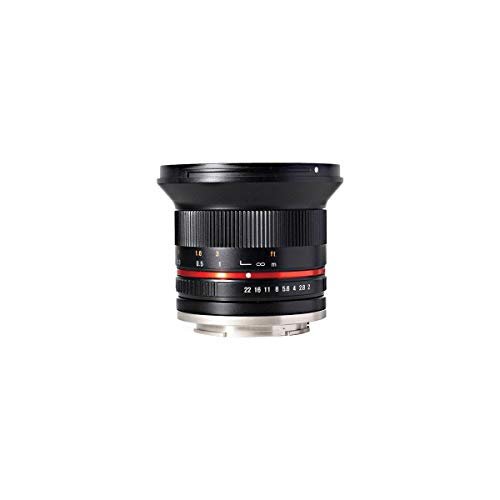
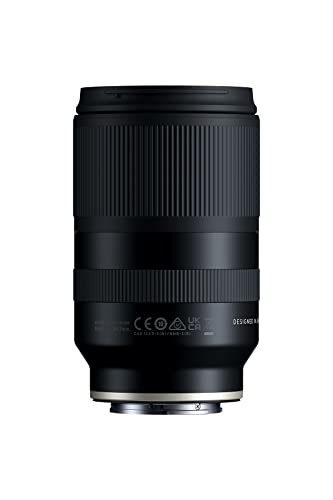
The Canon RF100-400mm is my best budget super telephoto lens pick for most EOS R users.
A distant bird lands in your yard, your child starts a soccer game, or a deer appears across a field. Your standard kit lens cannot reach far enough, yet a premium 600mm lens costs more than many cameras. That is where an affordable Canon telephoto lens helps. I compared five Canon options for reach, focus, size, camera fit, image quality, and value. My top pick is the RF100-400mm for mirrorless users, while the renewed EF75-300mm III remains a low-cost choice for Canon DSLR owners.
See the differences between my top picks at a glance.
Canon RF100-400mm Lens

The Canon RF100-400mm f/5.6-8 IS USM is the most balanced choice in this group. It gives EOS R users useful reach without the bulk of a large professional lens. The 100mm end works for portraits, pets, and travel details. The 400mm end gives you a clear advantage for birds, field sports, and distant subjects.
Canon pairs the long zoom range with optical image stabilization and a fast USM focus motor. That matters when I shoot handheld or follow a moving subject. The small maximum aperture means this lens works best in daylight. Still, modern EOS R cameras handle moderate ISO settings well, and the lens stays easy to carry for long walks.
Pros:
- Useful 100-400mm range for wildlife and sports
- Optical image stabilization helps handheld shooting
- USM autofocus is quick and quiet
- Much lighter and easier to pack than a large super telephoto
- Native RF mount needs no adapter on EOS R cameras
- 400mm reach gives strong subject separation outdoors
Cons:
- f/8 at 400mm is not ideal for dark scenes
- It does not provide the bright aperture of a professional lens
- It is made for Canon RF mirrorless cameras, not EF DSLR bodies
What Amazon Buyers Are Saying
Buyer feedback commonly praises the lens for its light weight, reach, and strong value compared with larger Canon telephoto models. Many owners like that they can carry it on hikes without feeling overloaded. Reviews also tend to value the stabilizer and the ease of pairing it with an EOS R body.
The main complaints center on the narrow aperture and lower-light limits. Some buyers expect bright indoor sports results and find that they must raise ISO or use a faster lens. Results also depend on the camera body, shutter speed, and the photographer’s technique. Those limits fit the design and price rather than suggesting a quality problem.
My Recommendation
I recommend this lens first for most Canon mirrorless users. It offers the best mix of reach, size, stabilization, and autofocus in this review. It is especially good for daylight wildlife, outdoor sports, travel, and family events. I would choose it as the best budget super telephoto lens for Canon EOS R cameras when 400mm is enough.
| Category | Rating |
|---|---|
| Image quality | 4.5/5 |
| Autofocus and stabilization | 4.5/5 |
| Reach | 4.5/5 |
| Portability | 5/5 |
| Value | 4.5/5 |
| Overall Rating | 4.5/5 |
Canon RF200-800mm Lens

The Canon RF200-800mm f/6.3-9 IS USM is the reach specialist here. Its 800mm end can bring small birds, distant wildlife, and action on large fields much closer. This is the lens I would study first when 400mm does not fill enough of the frame. It uses the native RF mount and targets Canon EOS R mirrorless cameras.
The long range comes with real trade-offs. The f/9 maximum aperture at the long end needs good light, a steady technique, or a faster shutter supported by higher ISO. The lens is also larger than the RF100-400mm. Even so, its reach can cost less and weigh less than many professional 600mm or 800mm prime lenses.
Pros:
- Exceptional 800mm reach for distant subjects
- Wide zoom range helps frame changing wildlife scenes
- Image stabilization supports handheld field use
- USM autofocus suits moving outdoor subjects
- Native RF design works directly with EOS R bodies
- Strong choice for birds, nature, and field sports in bright light
Cons:
- f/9 at 800mm limits low-light performance
- Larger and heavier than a 100-400mm lens
- 200mm may be too long for nearby subjects
- Its value drops if you rarely need more than 400mm
What Amazon Buyers Are Saying
Common buyer praise focuses on the reach. Owners often like the ability to photograph birds and wildlife that remain far away. The zoom design also helps when an animal moves closer or farther from the camera. Buyers who understand the daylight focus of this lens tend to see its reach as the main benefit.
Feedback also points to size, weight, and the slow aperture as the main concerns. Some photographers need more light for dawn, dusk, or shaded forests. Others find the lens manageable with good support but less comfortable after many hours. These comments show that this lens suits reach-first buyers, not every Canon shooter.
My Recommendation
I recommend the RF200-800mm to serious wildlife users who need maximum reach on a sensible budget. It is not my overall pick because its size and slow aperture demand more care. However, it can be the best budget super telephoto lens for Canon photographers who regularly shoot small or distant subjects in daylight.
| Category | Rating |
|---|---|
| Image quality | 4.5/5 |
| Reach | 5/5 |
| Autofocus and stabilization | 4.5/5 |
| Portability | 3.5/5 |
| Value for wildlife | 4.5/5 |
| Overall Rating | 4.5/5 |
Canon RF75-300mm Telephoto Lens

The Canon RF75-300mm f/4-5.6 is a simple way to add telephoto reach to an EOS R camera. Its 75mm starting point works well for portraits, school events, pets, and travel. At 300mm, it can frame distant subjects better than a standard kit zoom. Its small range and familiar zoom control make it easy for new photographers to learn.
This lens makes the most sense when the price stays low and your subjects remain in decent light. It does not reach as far as the 400mm and 800mm options. It also lacks the specialist reach that bird photographers often want. Still, the lens can deliver useful results for family photography, outdoor portraits, and casual sports.
Pros:
- Native RF mount for compatible Canon EOS R cameras
- 75mm start is useful for portraits and daily shooting
- 300mm end adds strong reach over a kit lens
- Simple zoom range suits beginners
- Useful for travel, pets, family events, and outdoor portraits
- Compact choice for buyers who do not need extreme reach
Cons:
- 300mm reach is limited for small, distant birds
- f/5.6 at the long end is not bright for indoor action
- Buyers should confirm camera compatibility before ordering
- It may not satisfy photographers who need 400mm or more
What Amazon Buyers Are Saying
Buyer comments for this type of entry-level RF telephoto tend to focus on ease of use and the extra reach over a kit lens. Casual users often like the low-cost way to try telephoto photography. The 75mm starting point also receives attention because it feels less restrictive than a lens that begins at 200mm.
The likely weak points are reach and low-light use. Buyers who expect professional wildlife performance may want a longer lens or a brighter aperture. As with any newer listing, I suggest checking current customer comments, seller details, and the exact camera fit before purchase.
My Recommendation
I recommend the RF75-300mm for beginners and casual EOS R owners who want an affordable first telephoto lens. It is not the strongest choice for serious bird work. For portraits, travel, pets, and daylight family events, it offers a practical entry point. I rate it as a value-focused option rather than the best budget super telephoto lens for Canon wildlife work.
| Category | Rating |
|---|---|
| Everyday image quality | 4/5 |
| Reach | 3.5/5 |
| Ease of use | 4.5/5 |
| Portability | 4.5/5 |
| Entry-level value | 4/5 |
| Overall Rating | 4/5 |
Renewed Canon EF75-300mm III

The renewed Canon EF75-300mm f/4-5.6 III targets Canon DSLR owners who want long reach at a very low entry cost. It covers a useful 75-300mm range and works with Canon EF-compatible SLR cameras. The renewed format can make it easier for a student, beginner, or backup-camera owner to enter telephoto photography without a large investment.
This is an older lens design, so I would set realistic goals. It does not include image stabilization, and its autofocus system is basic by current standards. Good light and a steady stance can help a lot. Buyers should also inspect the renewal terms and confirm that the item includes a clean mount, working zoom, and clear optics.
Pros:
- Very accessible route to 300mm reach
- Fits Canon DSLR users with an EF mount
- Useful range for outdoor portraits and family events
- Lightweight design is easy to carry
- Renewed pricing may suit tight budgets
- Full-frame coverage supports compatible Canon SLR cameras
Cons:
- No built-in image stabilization
- Older autofocus design may feel slow beside modern RF lenses
- Renewed condition can vary by seller and item
- 300mm is not enough for many small, distant wildlife subjects
What Amazon Buyers Are Saying
Buyers who choose this renewed lens often value its low cost and useful 300mm reach. It can help new DSLR users learn framing, panning, and long-lens technique. Many budget buyers accept the older design because it lets them test telephoto photography before spending more.
Common concerns with renewed products include cosmetic wear, missing accessories, or an item that does not perform as expected. Those experiences can vary by seller and individual unit. I recommend reading the current listing terms and checking the return policy before ordering. A renewed lens can be a smart bargain, but it needs a careful purchase.
My Recommendation
I recommend this lens only for Canon DSLR buyers who want the lowest sensible cost. It is a useful starter, but I would not choose it for demanding wildlife or low-light sports. If you already own an EF camera, the renewed price can be worthwhile. My rating reflects its budget role, not modern performance.
| Category | Rating |
|---|---|
| Image quality | 3.5/5 |
| Autofocus | 3/5 |
| Reach | 3.5/5 |
| Portability | 4/5 |
| Budget value | 4/5 |
| Overall Rating | 3.5/5 |
Canon EF75-300mm III Telephoto Lens

The standard Canon EF75-300mm f/4-5.6 III is a classic low-cost telephoto zoom for Canon SLR cameras. It offers the same useful range as the renewed version, with a 75mm setting for portraits and a 300mm setting for distant subjects. Its seven-blade aperture and close-focus capability make it useful for simple portraits, outdoor details, and casual nature work.
The key point is compatibility. This is an EF lens for Canon SLR bodies, not a native RF lens for EOS R mirrorless cameras. Some EOS R users may use an EF-to-RF adapter, but the adapter adds cost and size. The lens also lacks image stabilization, so I use a faster shutter speed or support when shooting at 300mm.
Pros:
- Affordable 75-300mm zoom range
- Useful on compatible Canon full-frame and APS-C SLR cameras
- Seven-blade aperture supports pleasant background blur
- Close-focus distance helps with larger details and portraits
- Lightweight design works well for casual outdoor use
- Simple controls suit new DSLR photographers
Cons:
- No image stabilization
- Older focus motor is not as refined as modern USM systems
- Requires an adapter for many Canon EOS R bodies
- Not a strong low-light or professional sports lens
What Amazon Buyers Are Saying
Customer feedback commonly values the lens as an inexpensive way to learn long-lens photography. Buyers often mention the useful focal range and the ability to capture outdoor subjects from a comfortable distance. It remains attractive to people who own an older Canon DSLR and do not want to invest in a premium lens.
Complaints usually relate to the lack of stabilization, basic autofocus, and modest performance in poor light. Some users also expect sharper results at 300mm than this entry-level design can deliver. Good technique makes a difference: use ample light, keep the shutter speed high, and support the camera when possible.
My Recommendation
I recommend the EF75-300mm III for a Canon DSLR owner who wants a basic and affordable zoom. It is a sensible learning lens, not a specialist wildlife tool. Choose it when price matters more than advanced focus, stabilization, and maximum sharpness. For a modern mirrorless camera, I would choose an RF lens instead.
| Category | Rating |
|---|---|
| Image quality | 3.5/5 |
| Focusing performance | 3/5 |
| Reach | 3.5/5 |
| Ease of use | 4/5 |
| Value | 4/5 |
| Overall Rating | 3.5/5 |
How to Choose the Best Budget Super Telephoto Lens for Canon
Choosing the best budget super telephoto lens for Canon starts with your camera body and your real shooting needs. A lens that works well for a DSLR may not mount directly on an EOS R mirrorless camera. You also need to balance reach, light, weight, focus speed, and price. These three checks will help you avoid an expensive mismatch.
1. Match the Lens Mount to Your Canon Camera
First, check whether your camera uses the Canon EF or RF mount. Canon DSLR cameras such as many EOS SLR models use EF lenses. Canon EOS R mirrorless cameras use RF lenses. An EF lens may work on an EOS R body with the correct Canon adapter, but a native RF lens is usually the simpler choice.
Do not rely only on the camera brand. Read the exact camera model and lens listing. A lens may fit physically yet lose some features with the wrong adapter or body. The RF100-400mm, RF200-800mm, and RF75-300mm options in this guide target Canon RF mirrorless cameras. The two EF75-300mm lenses target Canon SLR cameras.
2. Choose Reach Based on Your Subject
Focal length controls how large a distant subject appears in the frame. A 300mm lens works for outdoor portraits, pets, youth sports, and larger nearby wildlife. A 400mm lens gives more working distance and helps fill the frame with birds. An 800mm lens can show much more detail on a small subject far away.
More reach is not always better. A 200-800mm lens can feel too long when an animal moves close. It also needs more care to hold steady. If you shoot many types of subjects, a 100-400mm lens offers a more useful middle ground. If you mostly photograph small birds across open space, the RF200-800mm makes more sense.
3. Consider Light, Stabilization, and Total Value
A lens with a small maximum aperture lets in less light. The RF100-400mm reaches f/8 at 400mm, while the RF200-800mm reaches f/9 at 800mm. These lenses work best outdoors during the day. In shade, at dawn, or during indoor sports, you may need a higher ISO or a faster shutter speed.
Image stabilization can help reduce camera shake, but it cannot freeze a running player or flying bird. For moving subjects, shutter speed still matters. A tripod, monopod, or firm stance can help with a long lens. Also consider weight. The best budget super telephoto lens for Canon is the one you will carry and use, not simply the lens with the biggest number.
Finally, compare the full cost. An EF lens may require an adapter on an EOS R body. A renewed lens may cost less but needs a careful return policy check. A longer lens may need a better bag or support. Look at the price, mount, reach, stabilization, focus system, and expected use as one package.
Final Verdict: Which Should You Buy?
For most Canon EOS R users, I recommend the Canon RF100-400mm. It gives the strongest balance of reach, stabilization, focus, portability, and price. Choose the RF200-800mm if distant birds are your main subject.
DSLR owners can save money with an EF75-300mm lens. Overall, the best budget super telephoto lens for Canon should match your mount, light, subject distance, and carrying needs.
FAQs Of best budget super telephoto lens for canon
What is the best budget super telephoto lens for Canon?
The Canon RF100-400mm is the best overall choice for most EOS R mirrorless users. It offers useful reach, stabilization, autofocus, and manageable size.
Is the Canon RF100-400mm good for wildlife?
Yes. It works very well for daylight wildlife, especially larger animals and birds at moderate distances. Small birds far away may need the longer RF200-800mm.
Can I use an EF75-300mm lens on a Canon EOS R camera?
You can usually use a compatible EF lens with an EF-to-RF adapter. Check the exact camera, adapter, and lens before buying.
Is 300mm enough for bird photography?
It can work for large birds or close subjects. For small birds across a field, 400mm or 800mm gives more useful reach.
Are budget Canon telephoto lenses good in low light?
Most budget zooms have modest maximum apertures. They perform best in good light, while low-light action may need a higher ISO, support, or a faster lens.