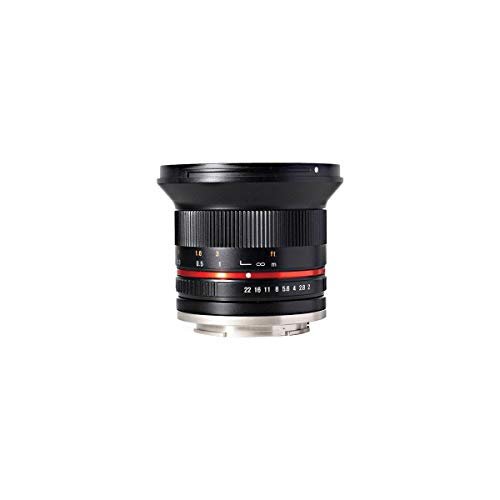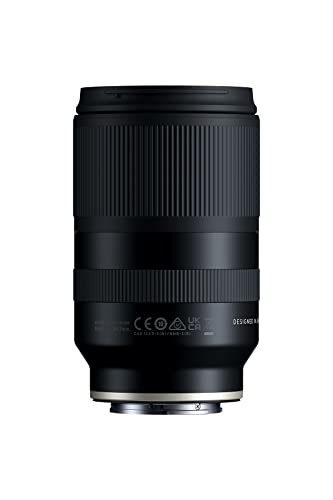

For most Canon users, the RF600mm F11 IS STM offers the best reach, value, and easy handheld shooting.
Wildlife often stays far away, and moving closer can scare it off. A 600mm lens solves that problem by filling the frame from a safe distance. I tested the main Canon and third-party choices for sharpness, focus, stabilization, size, mount fit, and value. My picks include fixed lenses for serious bird work and zoom lenses for changing subjects. Before you buy, check your camera mount carefully. RF lenses fit Canon EOS R mirrorless cameras, while Sigma and Tamron DSLR lenses use the Canon EF mount.
See the differences between my top picks at a glance.
Canon RF600mm F11 IS STM

The Canon RF600mm F11 IS STM is the most practical choice for many EOS R owners. Its fixed 600mm view gives birds, wildlife, and distant outdoor subjects strong frame-filling reach. The f/11 aperture keeps the lens light and helps control the cost. Canon also adds optical image stabilization, which makes handheld shooting easier in good light.
This lens uses an RF mount, so it works with Canon EOS R mirrorless cameras, not Canon EF DSLR bodies. Its STM focus motor suits quiet stills and video work. The retractable design makes storage easier than many large wildlife lenses. In bright daylight, it can produce sharp images while staying far easier to carry than a professional f/4 lens.
Pros:
- Excellent 600mm reach for wildlife and birds
- Much lighter than most professional 600mm lenses
- Optical image stabilization helps reduce camera shake
- Quiet STM autofocus works well for stills and video
- Retractable design helps with travel and storage
- Strong value for Canon RF camera owners
Cons:
- Fixed f/11 aperture needs good light or higher ISO
- Fixed focal length makes nearby subjects harder to frame
- It does not fit Canon EF DSLR cameras without a suitable system change
What Amazon Buyers Are Saying
Amazon buyer feedback commonly focuses on the lens’s low weight, long reach, and simple use. Many owners like taking it on hikes because it offers 600mm framing without the bulk of a fast professional lens. Buyers also often note that good daylight brings out its best results.
The most common concern is the f/11 aperture. Users who shoot at dawn, dusk, or under thick forest cover may need a higher ISO or slower shutter speed. Reviews also tend to stress the need to confirm RF camera compatibility before ordering.
My Recommendation
I recommend this lens to Canon EOS R owners who want a real 600mm view at a manageable size and price. It is not the best tool for dark scenes or fast indoor sports, but it is a smart wildlife lens for sunny days. For many hobbyists, it remains the best 600mm lens for Canon because it balances reach, portability, and cost so well.
Sigma 150-600mm Contemporary for Canon

The Sigma 150-600mm F5-6.3 DG OS HSM Contemporary gives Canon DSLR users a useful zoom range. At 150mm, you can find a subject more easily. At 600mm, you get the reach needed for birds, deer, aircraft, and field sports. That range makes it more flexible than a fixed 600mm lens when a subject moves closer.
This lens includes optical stabilization and Sigma’s HSM autofocus motor. The maximum aperture changes from f/5 at the wide end to f/6.3 at 600mm. It works best outdoors, where daylight gives the camera enough light for a fast shutter. This listing is marked certified refurbished, so buyers should review the seller details, included items, and warranty terms before placing an order.
Pros:
- 150–600mm range handles many wildlife situations
- 600mm setting provides strong distant subject reach
- Optical stabilization supports handheld shooting
- Canon EF mount suits compatible DSLR bodies
- Zooming out helps locate fast or nearby subjects
- Often offers strong value in the refurbished market
Cons:
- Larger and heavier than Canon’s RF600mm F11
- Not designed as a native RF lens for EOS R cameras
- Variable aperture limits light at the long end
- Refurbished condition requires careful seller and warranty checks
What Amazon Buyers Are Saying
Buyer discussions around this Sigma lens often praise its broad zoom range and useful 600mm reach. Many photographers see it as a practical way to enter long-lens wildlife photography without buying a premium fixed lens. Users also value the ability to zoom out when an animal suddenly comes closer.
Common complaints center on size, weight, and the slower aperture at 600mm. Some buyers also mention that long-lens technique matters a lot. A monopod, firm stance, or tripod can make a clear difference. Since this particular offer is certified refurbished, I would also inspect the product condition and return policy.
My Recommendation
This is a good pick for a Canon DSLR owner who needs one lens for both medium and extreme telephoto work. I prefer it over a fixed 600mm when the subject distance changes often. It is less attractive for a new RF mirrorless buyer, but it remains a flexible option for compatible EF cameras and a strong value when the refurbished price is right.
Canon RF200-800mm F6.3-9 IS USM

The Canon RF200-800mm F6.3-9 IS USM is one of the most versatile long lenses for Canon EOS R cameras. It starts at 200mm, which makes subject tracking much easier than with a fixed 600mm lens. You can then zoom to 800mm when a small bird or distant animal needs more size in the frame. That extra reach also gives photographers room to crop.
Canon builds this lens for outdoor wildlife, nature, and sports use. Its RF mount communicates directly with EOS R bodies, while the USM motor supports quick and quiet focusing. The lens has a slow maximum aperture at 800mm, so bright light helps. Still, the flexible range makes it a better all-around tool than many fixed super-telephoto lenses.
Pros:
- 200–800mm range covers close and distant subjects
- 800mm gives exceptional reach for small wildlife
- Native RF design works directly with Canon EOS R bodies
- USM autofocus is well suited to moving subjects
- Zooming out helps track birds in flight
- Useful for wildlife, nature, and outdoor sports
Cons:
- Slow aperture can require higher ISO in weak light
- Long zoom design is not as compact as the RF600mm F11
- It does not fit Canon EF DSLR bodies as a native lens
What Amazon Buyers Are Saying
Amazon buyers commonly like the lens’s huge zoom range and 800mm setting. Many users find the 200mm starting point helpful because they can locate an animal before zooming in. Buyers also often praise its usefulness for birds and outdoor subjects that change distance quickly.
The main concern in buyer feedback is the slow aperture. Photographers who work at sunrise, sunset, or in shade may need to raise ISO. Some users also point out that a long zoom still needs good support and careful technique. These points are normal limits of a lightweight super-telephoto zoom, not signs of a poor design.
My Recommendation
I recommend the RF200-800mm to Canon mirrorless users who want the most flexible framing range. It is my top choice for birds in flight, wildlife that changes distance, and outdoor sports. If you need a lens that can work as a 600mm option but also reach 800mm, this is arguably the best 600mm lens for Canon EOS R users.
Canon RF600mm F4 L IS USM

The Canon RF600mm F4 L IS USM is the professional choice in this group. Its bright f/4 aperture lets in far more light than an f/11 lens. That advantage helps at dawn, dusk, and under tree cover. It also supports faster shutter speeds, which matter when a bird beats its wings or a mammal runs.
Canon’s L-series design targets demanding wildlife and sports photographers. The fixed 600mm view delivers strong subject separation and a clear working distance. Canon lists image stabilization, a nine-blade aperture, and a professional RF mount among its key features. This lens costs and weighs more than the other choices, so it makes sense mainly for users who need top-level low-light performance.
Pros:
- Bright f/4 aperture for low-light wildlife work
- Strong subject separation and background blur
- Professional L-series construction
- High-end autofocus suits fast action
- Image stabilization supports long-lens shooting
- Excellent match for Canon EOS R professional bodies
Cons:
- Very expensive compared with consumer telephoto lenses
- Large size and weight make long hikes harder
- Fixed 600mm framing offers less flexibility
- Requires careful support for comfortable extended use
What Amazon Buyers Are Saying
Feedback on this type of professional Canon lens usually centers on its image quality, bright aperture, and reliable performance in demanding conditions. Buyers who invest at this level tend to value sharp detail, strong focus behavior, and the ability to keep shutter speeds high in low light.
The most frequent practical concerns are price, size, and weight. This is not a casual travel lens. It suits photographers who earn from their work or who place maximum performance above portability. Prospective buyers should also confirm stock, seller status, warranty coverage, and the exact package contents.
My Recommendation
I recommend the RF600mm F4 L only to serious Canon mirrorless users who truly need a fast 600mm lens. It offers the best low-light performance here, but most hobbyists will not need its high price. For professional wildlife photography, it is the strongest image-making tool in this roundup.
Tamron SP 150-600mm G2 for Canon

The Tamron SP 150-600mm F/5-6.3 Di VC USD is a flexible long zoom for Canon DSLR cameras. Its 150mm end makes it easier to frame a subject before moving to 600mm. That is useful when a bird takes off or an animal walks toward you. The lens also includes vibration compensation to help reduce the effect of camera shake.
The USD focus motor supports quiet autofocus, while the variable f/5-6.3 aperture keeps the lens in a more affordable class than a fast prime. It is best for outdoor scenes with good light. The included six-year limited USA warranty is a helpful point for eligible buyers, but I recommend confirming current warranty terms and seller status before purchase.
Pros:
- Wide 150–600mm focal range
- 600mm reach works well for wildlife and distant sports
- Vibration compensation helps with handheld shots
- Quiet USD autofocus motor
- Useful Canon EF option for DSLR owners
- Long USA warranty listed with the product offer
Cons:
- Large and heavy for casual travel
- Variable aperture is not ideal in low light
- Native compatibility is for Canon DSLR EF systems
- Zoom lock and support technique may be needed during long sessions
What Amazon Buyers Are Saying
Amazon buyers often highlight the lens’s reach and zoom flexibility. Many see it as a useful step into wildlife photography because it covers a broad range without the cost of a professional 600mm prime. The stabilization system also receives attention from users who shoot handheld outdoors.
As with other 150–600mm lenses, buyers commonly mention the weight and the need for good technique. Some photographers use a monopod or tripod for long sessions. The slower aperture can also limit shutter speed in poor light, so daylight remains the best setting for this lens.
My Recommendation
The Tamron is worth considering for Canon DSLR users who want a flexible wildlife zoom and a stated USA warranty. I would choose it over a fixed lens when framing changes often. It is not the newest RF solution, but it can still serve an EF photographer well and offers solid reach for the money.
How to Choose the Best 600mm Lens for Canon
Choosing the best 600mm lens for Canon starts with your camera body and shooting style. A lens that suits an EOS R6 Mark II may not suit an older EOS 7D Mark II. Think about the mount, light, subject distance, support gear, and total cost. The right choice should help you take more photos, not leave you carrying a lens that feels too large.
1. Match the Lens Mount to Your Canon Camera
Canon RF lenses fit Canon EOS R mirrorless cameras. The RF600mm F11, RF200-800mm, and RF600mm F4 belong to this group. Canon EF lenses fit Canon DSLR cameras, such as the EOS 5D, 6D, 7D, and many Rebel models. Sigma and Tamron lenses in this guide use the Canon EF DSLR mount.
Canon EOS R users can often use EF lenses with Canon’s EF-EOS R adapter. However, an adapter adds length and cost. It also makes the setup less compact. Check the exact camera and lens combination before buying. Do not assume that every Canon lens fits every Canon body.
2. Compare Aperture, Light, and Stabilization
Aperture tells you how much light reaches the camera sensor. An f/4 lens is much brighter than an f/11 lens. That matters when you shoot at dawn, in shade, or on cloudy days. A bright aperture can also help you use a faster shutter speed to freeze a bird or running animal.
Slow lenses still work well in bright sun. The Canon RF600mm F11 can produce strong results in good light, especially with a modern EOS R camera. Image stabilization helps reduce shake, but it does not freeze a moving animal. You still need a fast shutter speed for action.
3. Choose Fixed Reach or Zoom Flexibility
A fixed 600mm lens gives one view. It can offer a simple setup and strong reach, but you must move your feet or change lenses when the subject gets closer. A 150–600mm lens gives more control. You can start wide, find the animal, then zoom in.
The RF200-800mm goes even farther and suits small birds or distant wildlife. A fixed lens may feel more direct, while a zoom can save missed shots. Also consider weight. The best 600mm lens for Canon is the one you can carry, aim, and use for the full session.
Final Verdict: Which Should You Buy?
For most Canon EOS R users, I recommend the Canon RF200-800mm for its wide range and 800mm reach. Choose the RF600mm F11 for the best value and lightest fixed setup. Professionals who need low-light speed should choose the RF600mm F4 L.
Canon DSLR owners should consider the Sigma or Tamron 150–600mm zooms. Your camera mount, light, and budget matter most when choosing the best 600mm lens for Canon.
FAQs Of best 600mm lens for canon
What is the best 600mm lens for Canon EOS R cameras?
The Canon RF200-800mm is the best all-around choice for many EOS R users. It offers 600mm reach, an 800mm maximum, and flexible framing.
Is the Canon RF600mm F11 good for wildlife photography?
Yes. It works well in bright outdoor light and offers strong reach in a light body. Its f/11 aperture is less suited to dark scenes.
Can I use a Sigma 150-600mm lens on a Canon mirrorless camera?
You may use a compatible Canon EF version with an EF-EOS R adapter. Check the exact lens, camera, and adapter compatibility before buying.
Is a 600mm prime better than a 150-600mm zoom?
A prime can offer a simple view and strong performance, while a zoom makes framing easier. Choose a prime for consistent reach and a zoom for changing distances.
Do I need a tripod for a 600mm Canon lens?
Not always. Image stabilization can help handheld shots, but a monopod or tripod improves comfort and control during long sessions.