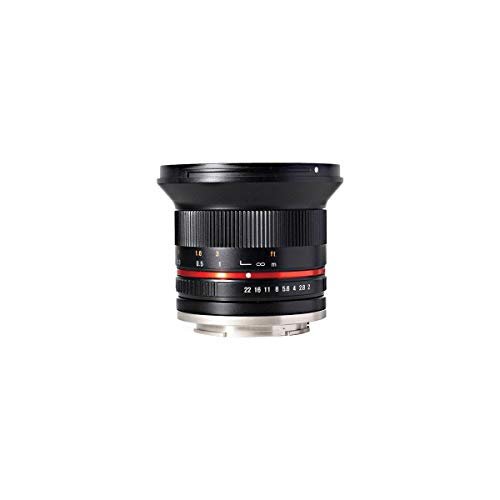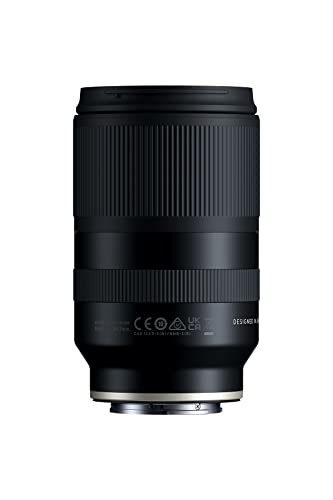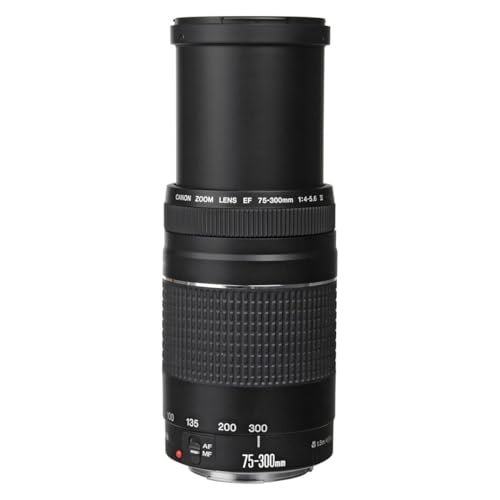
For most Canon EF-S users, the Canon EF 75-300mm III offers the best affordable long telephoto reach.
You may want closer wildlife photos, sharper sports shots, or better portraits, yet your standard kit lens keeps leaving subjects too small. A long telephoto lens can solve that problem without forcing you to move closer. I reviewed the listed options for Canon EF-S DSLR cameras, with special focus on mount fit, reach, ease of use, focus control, and value. One option offers extreme reach at a low price, but it uses manual focus and needs bright light. Another is a Canon RF lens, so it does not fit an EF-S DSLR. See the differences between my top picks at a glance.
Canon EF 75-300mm III Renewed

The renewed Canon EF 75-300mm f/4-5.6 III is the safest all-around choice in this group for a Canon EF-S DSLR. Its EF mount works with Canon EOS cameras such as the Rebel T-series, 80D, 90D, 7D, and other compatible EF-S bodies. On an APS-C camera, the lens gives a field of view similar to roughly 120-480mm on a full-frame camera. That extra reach helps with school sports, outdoor portraits, and large birds.
This lens uses autofocus, which makes it much easier to use than the extreme manual-focus zoom in this review. The 75mm end helps when a subject comes closer, while 300mm gives useful reach across a field or trail. The renewed condition can lower the price, but I would inspect the zoom ring, focus action, glass, and included accessories soon after delivery. This lens has no image stabilization, so a faster shutter speed or a tripod can make a big difference.
Pros:
- EF mount works with Canon EF-S DSLR cameras
- Useful 75-300mm focal-length range
- Autofocus supports moving subjects
- Compact and fairly light for a 300mm zoom
- Good entry price in renewed condition
- Works for sports, travel, portraits, and wildlife in good light
Cons:
- No built-in image stabilization
- Slow f/4-5.6 aperture limits low-light work
- Renewed condition may vary by seller and unit
What Amazon Buyers Are Saying
Buyer feedback for this type of renewed lens commonly centers on value, reach, and ease of use. Many shoppers choose it as a first telephoto lens because it adds much more reach than a basic kit zoom without a large investment. Common concerns include softness at the long end, limited performance in dim light, and differences in cosmetic condition between renewed units. I recommend reading the current listing details and checking the seller’s return terms before ordering.
My Recommendation
I recommend this lens for beginners who want dependable autofocus and affordable reach. It is not the best choice for dark venues or serious bird photography, but it remains a practical starter telephoto for a Canon EF-S DSLR. The renewed version is worth considering when the seller offers a clear warranty or return policy.
420-1600mm F8.3 Manual Zoom

This 420-1600mm F8.3 zoom targets buyers who want extreme focal-length numbers at a low cost. The listing names Canon EF and EF-S cameras among its compatible systems, but buyers should confirm the exact mount and camera support before purchase. A 420mm starting point already provides a very narrow view on an APS-C body. At the long end, even a small subject can fill the frame from a great distance.
The key trade-off is manual focus. The lens also uses an f/8.3 maximum aperture, which calls for bright daylight and careful camera technique. At 1600mm, heat shimmer, wind, camera shake, and subject movement can reduce detail before the lens itself becomes the main issue. I see this model as a specialist experiment for distant, still subjects rather than a fast sports or bird-action lens.
Pros:
- Very long listed focal-length range
- Can reach distant subjects from a safe position
- Manual control appeals to patient landscape and moon photographers
- Potentially useful for daylight observation work
- Offers unusual reach at a budget-oriented price
- Works best when paired with a sturdy tripod and remote release
Cons:
- Manual focus makes moving subjects difficult
- F/8.3 needs strong light and careful exposure settings
- Extreme focal lengths magnify shake and atmospheric haze
- Compatibility details should be confirmed before ordering
- Large reach does not guarantee high fine detail
What Amazon Buyers Are Saying
Because this is a specialized lens, buyers tend to focus on its unusual reach and the learning curve. Listings of this kind often attract people who want to test super-telephoto photography without buying a professional lens. The main points to check in current buyer feedback are the actual mount supplied, focus control, support needs, and image results in bright daylight. I would not rely on the large focal-length number alone when judging performance.
My Recommendation
I recommend it only for patient users who understand manual focus and long-lens technique. It may interest moon, distant landscape, and stationary wildlife photographers, but it is not my first choice for general Canon EF-S use. Buy it only after confirming mount fit and accepting the need for a solid support system.
Canon EF 75-300mm III Telephoto Zoom

This Canon EF 75-300mm III listing provides the same useful core range in a standard new-style package. It uses the EF mount, so it is designed for Canon EOS DSLR bodies that accept EF lenses, including Canon EF-S cameras. The lens covers 75mm for nearby subjects and reaches 300mm for distant scenes. Its 7-blade aperture can help create a pleasant background in suitable portrait conditions.
The 4.92-foot close-focus distance gives you some flexibility when you work near a subject, though this is not a macro lens. Autofocus makes basic shooting much easier than with a fully manual super-telephoto design. Like the other 75-300mm versions here, it lacks image stabilization and has a modest maximum aperture. Use a fast shutter speed outdoors, and raise ISO when the light drops.
Pros:
- Direct EF compatibility for Canon EF-S DSLR bodies
- Versatile 75-300mm focal range
- Autofocus helps with casual action and outdoor subjects
- 7-blade aperture supports soft background rendering
- Close-focus distance is useful for simple detail shots
- Lightweight design suits travel and family events
Cons:
- No optical image stabilization
- F/4-5.6 is not ideal for indoor sports
- Image quality can vary across the zoom range
- Not a professional wildlife or low-light lens
What Amazon Buyers Are Saying
Common buyer themes for this lens include its simple operation, low entry cost, and useful reach for outdoor photography. Many shoppers like having autofocus in a lens that costs less than advanced telephoto options. The usual concerns involve low-light limits, softness at 300mm, and the lack of stabilization. These points match the lens design, so I suggest setting realistic expectations rather than comparing it with premium lenses that cost many times more.
My Recommendation
This is one of the better choices for a first long lens when you want a straightforward Canon EF-S setup. It offers the most balanced mix of reach, autofocus, and simple handling in the list. I would choose this version when the price and seller support are stronger than the renewed listing.
Canon EF 75-300mm III Budget Version

This listing is another Canon EF 75-300mm f/4-5.6 III option for Canon SLR cameras. Since the lens uses an EF mount, it can attach to compatible Canon EF-S DSLR bodies. The range works well for outdoor portraits, youth sports, travel, and casual wildlife photos. At 300mm on an APS-C body, the narrow view can make faraway subjects appear much closer than they do with a standard 18-55mm lens.
The lens remains simple by design. It has autofocus, a 7-blade aperture, and a 4.92-foot close-focus distance, but it does not include image stabilization. That means technique matters: brace the camera, keep the shutter speed high, and shoot in bright light when possible. This option makes the most sense when its current price is clearly lower than the other 75-300mm listings.
Pros:
- Compatible EF mount for Canon EF-S DSLRs
- Affordable path to 300mm reach
- Autofocus is easy for new users
- Useful for outdoor family and school activities
- 7-blade aperture offers simple background control
- Compact enough for a basic camera bag
Cons:
- No image stabilization
- Slow aperture can be hard to use indoors
- Less suitable for fast action in poor light
- Value depends heavily on the current listing price
What Amazon Buyers Are Saying
Buyers commonly look at this version because it gives them a long telephoto range without a large lens budget. Positive experiences tend to involve outdoor use, simple autofocus, and the ability to frame distant subjects. Critical comments often point to the lens’s age, modest light-gathering ability, and the need for careful focus at 300mm. I suggest checking the exact condition, package contents, and return terms shown on the current Amazon page.
My Recommendation
I recommend this lens when you want the least expensive practical route to 300mm and the seller has a strong return policy. It can serve a beginner well, but it does not offer the features of a newer stabilized telephoto lens. At the right price, it earns a solid value rating.
Canon RF75-300mm Lens

The Canon RF75-300mm F4-5.6 is included because it appears in the supplied product list, but it is not a match for a Canon EF-S DSLR camera. This lens uses Canon’s RF mount for EOS R-series mirrorless cameras. An EF-S DSLR such as a Rebel T7, Rebel T8i, 80D, or 90D cannot accept an RF lens through the normal EF-to-RF adapter path. This distinction matters more than the focal-length range.
For an EOS R camera, the 75-300mm range can be useful for portraits, outdoor sports, and casual wildlife work. For an EF-S DSLR owner, however, the lens should not be treated as a buying option. I included it as a compatibility warning because product searches often mix RF, EF, and EF-S results. Always check the mount printed in the listing before you place an order.
Pros:
- Useful 75-300mm range for compatible EOS R cameras
- Autofocus operation on supported mirrorless bodies
- Suitable reach for outdoor subjects
- Telephoto framing can help isolate backgrounds
- Modern RF system design for the correct camera body
Cons:
- Does not fit Canon EF-S DSLR cameras
- Requires an EOS R-series mirrorless body
- Not a direct replacement for an EF telephoto lens
- F/4-5.6 aperture is modest in low light
What Amazon Buyers Are Saying
Feedback for an RF lens should be judged by the camera system used by the buyer. EOS R users may value the range and autofocus, while EF-S DSLR owners will find the mount issue decisive. Before relying on any review, check whether the reviewer used an RF mirrorless camera or an older EF/EF-S DSLR. A lens can work well on one Canon system and still be completely wrong for another.
My Recommendation
I do not recommend this product for a Canon EF-S camera. Choose one of the EF 75-300mm models instead. I would consider the RF75-300mm only if you already own a compatible Canon EOS R-series body and want an RF telephoto lens.
How to Choose the Best Third Party Long Telephoto Lens for Canon EF-S Camera
Choosing the best third party long telephoto lens for Canon EF-S camera use starts with the mount. It also requires a close look at reach, focus, light, support, and seller terms. A large focal-length number can look attractive, but practical results depend on more than zoom power.
1. Confirm the EF or EF-S Mount First
Canon EF-S DSLR cameras accept Canon EF-S lenses and standard Canon EF lenses. They do not accept Canon RF lenses. The EF and RF systems use different mounts, contacts, and flange distances. A simple adapter is not a safe solution for putting an RF lens on an EF-S DSLR.
Look for terms such as Canon EF, EF-S, or a third-party EF mount. Check the camera list too. If a listing names both Canon and Nikon cameras, read the mount details with extra care. Some low-cost listings use broad compatibility language that may not explain the exact version supplied. When in doubt, ask the seller before ordering.
2. Match Focal Length and Focus to Your Subject
A 75-300mm lens gives a useful range for sports, portraits, travel, and nearby wildlife. On a Canon APS-C body, 300mm gives a narrow view and strong subject reach. The 75mm end still helps when the subject moves closer. This flexibility makes a 75-300mm zoom easier to use than a fixed extreme lens.
A 420-1600mm model offers far more reach, but manual focus changes the experience. It may work for the moon or a still landscape. It becomes hard to use when a bird flies, a runner moves, or a child changes direction. Autofocus usually provides the better first step for general shooting.
3. Judge Light, Stability, and Total Value
Telephoto lenses magnify camera shake. Image stabilization can help, but the listed 75-300mm lenses do not provide it. I suggest using a shutter speed of at least 1/300 second at 300mm as a starting point, then increasing it for moving subjects. A monopod or tripod can also improve comfort and sharpness.
Maximum aperture matters too. An f/4-5.6 lens works best outdoors or near a bright window. An f/8.3 super-telephoto needs even more light. Do not forget the total cost of a tripod, memory card, bag, and return shipping. The best third party long telephoto lens for canon ef s camera is the one that fits your body and your shooting style, not simply the one with the largest number.
Final Verdict: Which Should You Buy?
For most users, the standard Canon EF 75-300mm III is the best third party long telephoto lens for canon ef s camera from this list. It combines EF compatibility, autofocus, useful reach, and a fair entry price. Choose the renewed version when its warranty and price are better.
The 420-1600mm zoom suits patient specialists, while the RF lens does not fit EF-S DSLRs. Check the mount before buying, and use a tripod when needed for sharper telephoto photos.
FAQs Of best third party long telephoto lens for canon ef s camera
What is the best 300mm lens for a Canon EF-S camera?
The Canon EF 75-300mm III is the most practical choice in this list. It offers autofocus, EF compatibility, and useful 300mm reach at an entry-level price.
Can I use a Canon RF lens on a Canon EF-S DSLR?
No. Canon RF lenses are made for EOS R-series mirrorless cameras. Choose an EF or EF-S lens for a Canon EF-S DSLR.
Is a 420-1600mm lens good for wildlife photography?
It can work for distant, still wildlife in bright light, but manual focus makes moving animals difficult. A tripod and careful technique are important.
Do Canon 75-300mm lenses have image stabilization?
The Canon EF 75-300mm III versions reviewed here do not include built-in image stabilization. Use a faster shutter speed, a monopod, or a tripod.
What should I check before buying a used or renewed telephoto lens?
Check the mount, glass, autofocus, zoom ring, focus ring, included items, seller rating, warranty, and return policy. Test the lens soon after delivery.