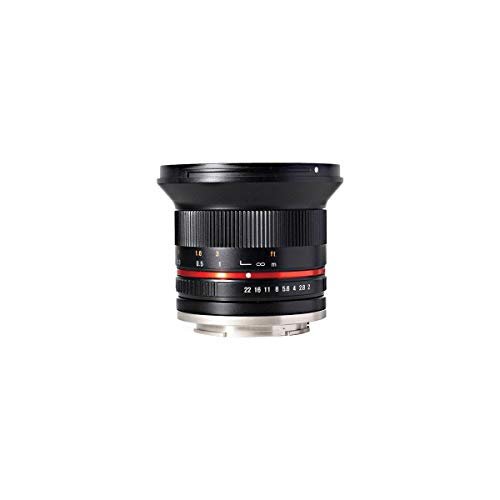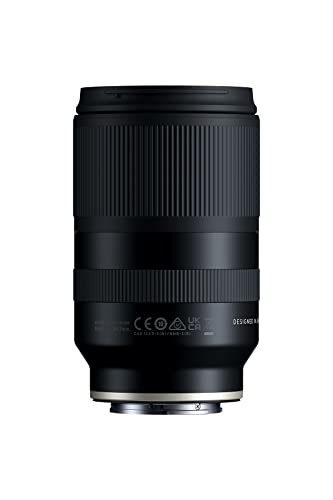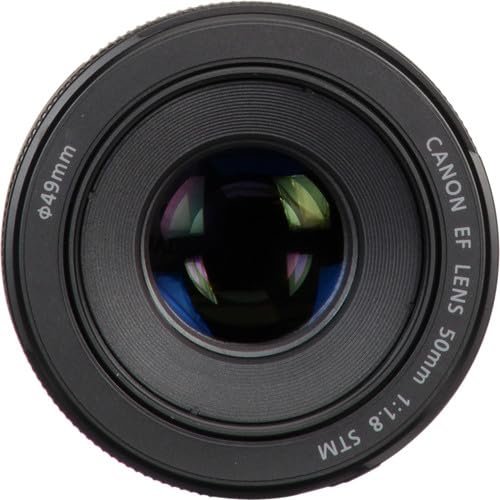
The best Canon Rebel T6 lenses are the Canon 50mm STM, 10-18mm STM, and 75-300mm telephoto lens.
If your Canon EOS Rebel T6 still uses only its basic kit lens, you may feel limited when taking portraits, landscapes, sports photos, or indoor shots. The right lens can make your camera feel new again. I compared focal length, focus type, low-light use, size, and value to find the best Canon Rebel T6 lenses for different needs. My top picks include fast prime lenses, a wide zoom, a telephoto zoom, and a budget lens kit.
See the differences between my top picks at a glance.
Canon EF 50mm f/1.8 STM

The Canon EF 50mm f/1.8 STM is my favorite all-around upgrade for the Rebel T6. Its f/1.8 aperture lets in much more light than a typical 18-55mm kit lens at the same general range. That helps you take brighter indoor photos and use faster shutter speeds. It also gives portraits a soft background when you place your subject at a good distance.
On the Rebel T6, this lens gives a view similar to about 80mm on a full-frame camera. That makes it especially useful for head-and-shoulder portraits, family photos, food, and detail shots. The STM focus motor is quieter and smoother than older focus systems, which helps during video use. It is small, light, and easy to carry every day.
Pros:
- Bright f/1.8 aperture for indoor and evening photos
- Sharp results for a modest price
- Useful portrait view on the Rebel T6
- Quiet STM autofocus for photos and video
- Small and light design
- Works on both APS-C and full-frame Canon EF cameras
Cons:
- Fixed focal length gives no zoom range
- Portrait framing can feel tight in small rooms
- No built-in image stabilization
What Amazon Buyers Are Saying
Buyer feedback for this lens commonly highlights its low price, sharp images, small size, and strong low-light performance. Many owners use it as a first prime lens after the basic kit lens. A common learning point is that the 50mm focal length feels less wide on the Rebel T6 than it does on a full-frame camera.
Some buyers also note that the lens needs careful focus at f/1.8 because the depth of field can be thin. That is normal for a bright prime lens, not a defect. Buyers who expect a zoom or image stabilization may feel limited, while portrait users usually get more value from it.
My Recommendation
I recommend the Canon EF 50mm f/1.8 STM to most Rebel T6 owners. It gives the biggest image-quality change for the money and makes the camera more useful indoors. It is the best first purchase for portraits and low-light photos.
Canon EF 75-300mm f/4-5.6 III

The Canon EF 75-300mm f/4-5.6 III gives the Rebel T6 a long reach without a high purchase price. It suits outdoor subjects such as birds, kids at sports games, travel details, and distant landscapes. At the long end, the crop sensor makes the view similar to about 480mm on a full-frame camera. That reach can help you fill the frame from far away.
This renewed version can offer a lower-cost way to try telephoto photography. The lens uses autofocus and has a simple zoom design. However, it does not include image stabilization, so good light and steady technique matter at 300mm. I also suggest checking the renewed condition, return policy, and seller details before ordering.
Pros:
- Long 75-300mm zoom range
- Strong reach on the Rebel T6 crop sensor
- Useful for outdoor sports and wildlife practice
- Autofocus makes moving subjects easier to follow
- Lower cost than many newer telephoto lenses
- Compact option for casual long-range use
Cons:
- No image stabilization
- Needs good light at the 300mm end
- Renewed condition can vary by seller and unit
- Less useful for indoor action or dark scenes
What Amazon Buyers Are Saying
Customer feedback for this lens often centers on the amount of zoom buyers get for the price. Many owners enjoy it for moon shots, outdoor events, family sports, and basic wildlife photography. Buyers also tend to point out that results improve when they shoot outside in bright light.
Common concerns include the lack of image stabilization and the slower f/4-5.6 aperture. Some users also report that 300mm handheld shots need care to avoid blur. Since this is a renewed product, buyers should read the current listing details and inspect the lens soon after delivery.
My Recommendation
This lens is worth considering if you need reach on a tight budget. It is not my first choice for low light, indoor sports, or serious wildlife work. For outdoor learning and occasional telephoto shots, it offers useful range at a reasonable cost.
85mm f/1.8 Manual Focus Lens

This 85mm f/1.8 lens targets photographers who want a portrait lens at a low price. On the Rebel T6, its field of view feels similar to about 136mm on a full-frame camera. That narrow view helps isolate a face against a less distracting background. The f/1.8 aperture can also create a pleasing blur when you focus carefully.
The most important detail is its manual focus design. You must turn the focus ring yourself, so it works best for posed portraits, still life, and patient subjects. It may not suit children, pets, events, or fast action. The lens can teach useful focus skills, but beginners may prefer the autofocus of the Canon 50mm STM.
Pros:
- Bright f/1.8 aperture
- Portrait-friendly 85mm focal length
- Strong subject separation potential
- Low-cost way to try a manual prime lens
- Useful for posed people and still subjects
- Compatible with the Rebel T6 EF mount
Cons:
- Manual focus only
- Very tight view on the Rebel T6
- Harder to use with moving subjects
- Requires careful focus at f/1.8
What Amazon Buyers Are Saying
Buyer discussions around this type of lens often praise the bright aperture and portrait look. Users who enjoy manual photography like the direct control and low cost. Several practical comments focus on the need to practice focus before using the lens for important portraits.
The main complaint is also clear: manual focusing takes time. Some buyers expect autofocus after seeing the camera compatibility list, so I recommend reading the product details closely. This lens makes more sense for a patient photographer than for someone who wants quick point-and-shoot results.
My Recommendation
I recommend this lens only if you are comfortable with manual focus or want to learn it. It can produce attractive portraits, but the Canon 50mm STM is easier for most Rebel T6 users. Buy this one for control and price, not convenience.
Ultra Deluxe Lens Kit for Rebel T6

The Ultra Deluxe Lens Kit takes a different approach from the other picks. It is an accessory bundle for cameras using the Canon EF-S 18-55mm IS II kit lens. The set includes a seven-piece 58mm filter set plus wide-angle and telephoto add-on lenses. It can give a new Rebel T6 owner more tools to try without buying several full lenses.
These accessories attach to the front of the compatible kit lens. They do not turn the 18-55mm lens into the same thing as a dedicated ultra-wide or telephoto lens. Image quality may vary, and users should check thread size before attaching anything. For beginners who want to experiment with filters and different effects, the kit offers variety.
Pros:
- Includes several accessories in one package
- Useful for beginners who want to experiment
- Wide-angle and telephoto add-ons expand creative options
- Filter set can support outdoor photography practice
- Designed around a common 58mm kit-lens thread
- Lower entry cost than buying multiple dedicated lenses
Cons:
- Requires a compatible 18-55mm lens
- Add-on optics may reduce image quality
- Not a replacement for a true wide or telephoto lens
- Filters and accessories can add bulk to the kit lens
What Amazon Buyers Are Saying
Buyers who like this kit usually value the number of accessories included for the price. It appeals to new photographers who want to test different looks, use filters, and learn how front-mounted accessories affect an image. It can also make a basic camera bag feel more complete.
Common concerns relate to fit and expectations. Buyers need the correct 58mm thread, and the add-on pieces may not deliver the same clarity as a purpose-built Canon lens. I would treat this as a learning kit and accessory bundle rather than one of the strongest optical upgrades.
My Recommendation
This kit is useful for a beginner who already owns the compatible 18-55mm lens and wants low-cost creative accessories. It is not my top pick for image quality. If you want a clear improvement in sharpness or low-light work, choose a dedicated prime or zoom instead.
Canon EF-S 10-18mm f/4.5-5.6 STM

The Canon EF-S 10-18mm f/4.5-5.6 IS STM is one of the best Canon Rebel T6 lenses for wide scenes. It captures much more of a room, building, street, or landscape than the standard 18-55mm lens. The 10mm end gives a dramatic wide view, while 18mm offers a more natural option for general scenes. This makes it valuable for travel and real estate-style interior photos.
The lens includes Canon STM autofocus and optical image stabilization. Those features help when you shoot handheld or record video. Its modest maximum aperture means it is not a strong low-light lens, but the wide view can make handheld work easier. Keep people near the frame edges carefully placed because very wide lenses can stretch shapes.
Pros:
- Very wide 10mm starting focal length
- Excellent for landscapes, rooms, and architecture
- STM autofocus supports quiet video focusing
- Optical image stabilization helps handheld shooting
- Lightweight design for travel
- Works directly with the Rebel T6 EF-S mount
Cons:
- Not designed for strong background blur
- Limited low-light ability compared with an f/1.8 prime
- Wide perspective can distort faces near the edges
- Less useful for distant subjects
What Amazon Buyers Are Saying
Customer feedback often praises the wide view, light weight, image stabilization, and usefulness for travel. Many buyers choose it after finding that their kit lens cannot capture a full room or broad landscape. Video users also tend to value its smooth STM focus.
Some buyers mention that the lens is not ideal for portraits or dark indoor scenes. Others need time to learn how to hold a wide lens and place subjects in the frame. These limits match the lens design. It performs best when you buy it for wide scenes rather than general-purpose zoom use.
My Recommendation
I strongly recommend this lens for landscapes, interiors, travel, real estate practice, and creative wide-angle shots. It fills a gap that the 50mm and 75-300mm lenses cannot fill. If you often feel that your photos do not show enough of a scene, this is an excellent upgrade.
How to Choose the Best Canon Rebel T6 Lenses
Choosing the best Canon Rebel T6 lenses starts with your subject, not the brand name. The Rebel T6 uses Canon EF and EF-S lenses. Its APS-C sensor makes the view look narrower than the same lens on a full-frame camera. A 50mm lens gives a view like about 80mm, while a 75-300mm lens gives a view like about 120-480mm. Keep this crop factor in mind when you compare focal lengths.
1. Match the Focal Length to Your Main Subject
Focal length controls how much of the scene you see. A short focal length, such as 10mm, shows a wide area. That works well for landscapes, rooms, buildings, and travel. A normal kit zoom gives flexible everyday coverage. A 50mm prime gives a tighter view that works well for portraits and detail shots.
Long lenses, such as 75-300mm, help with distant subjects. They suit birds, sports, outdoor events, and wildlife practice. They do not suit small rooms because you need to stand far from your subject. If you mainly photograph people indoors, a 50mm lens will usually serve you better than a long telephoto.
2. Check Aperture, Focus, and Stabilization
Aperture tells you how much light a lens can collect. A smaller f-number means a wider opening. The f/1.8 Canon 50mm and manual 85mm lenses can work better in dim light than an f/4-5.6 telephoto. They can also create more background blur. You still need to focus with care because a wide aperture creates a thin focus area.
Autofocus matters when your subject moves. The Canon 50mm STM and 10-18mm STM focus automatically and quietly. The 85mm lens in this guide uses manual focus, so it needs more time. Stabilization can reduce camera shake, but it cannot freeze a moving person or animal. The 10-18mm lens has stabilization; the 75-300mm III does not.
3. Compare Build, Compatibility, and Real Value
Confirm the mount before you buy. The Rebel T6 accepts Canon EF and EF-S lenses. The 58mm accessory kit needs a compatible 18-55mm lens with the matching front thread. Add-on optics can be fun, but a dedicated lens usually gives a clearer and more reliable upgrade.
Also consider size and how often you will carry the lens. A small 50mm prime may get more use than a large lens that stays at home. Check renewed product terms when buying the 75-300mm model. For most buyers, the best value comes from buying one lens that solves a clear problem instead of collecting accessories without a plan.
Final Verdict: Which Should You Buy?
The Canon EF 50mm f/1.8 STM is my top choice for most Rebel T6 owners. Choose the 10-18mm STM for wide scenes, or the 75-300mm for affordable outdoor reach.
The best Canon Rebel T6 lenses depend on your subject, but each pick here solves a different need. Start with the lens that matches how you shoot most.
FAQs Of best canon rebel t6 lenses
What is the best first lens for a Canon Rebel T6?
The Canon EF 50mm f/1.8 STM is the best first upgrade for many users. It offers a bright aperture, sharp images, quiet autofocus, and strong portrait performance.
Can the Canon Rebel T6 use EF and EF-S lenses?
Yes. The Rebel T6 uses Canon EF and EF-S mount lenses. Always check the exact mount before ordering a third-party product.
Is the Canon 50mm lens good for portraits on the Rebel T6?
Yes. Its crop-sensor view acts like about 80mm on full frame, which gives a useful portrait perspective for head-and-shoulder photos.
Which Rebel T6 lens is best for landscapes and rooms?
The Canon EF-S 10-18mm STM is the strongest choice in this guide. Its very wide view captures more of a room or landscape.
Does the Canon 75-300mm lens have image stabilization?
No. The EF 75-300mm f/4-5.6 III listed here does not have image stabilization, so use good light, a fast shutter speed, or a tripod when possible.