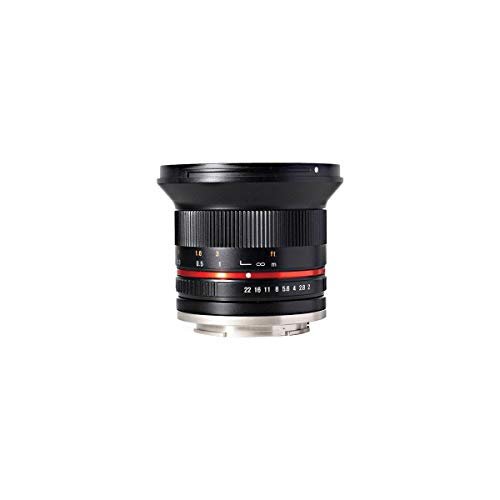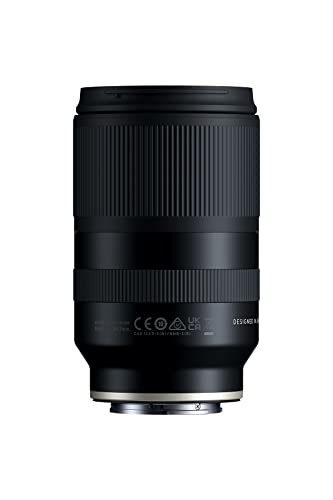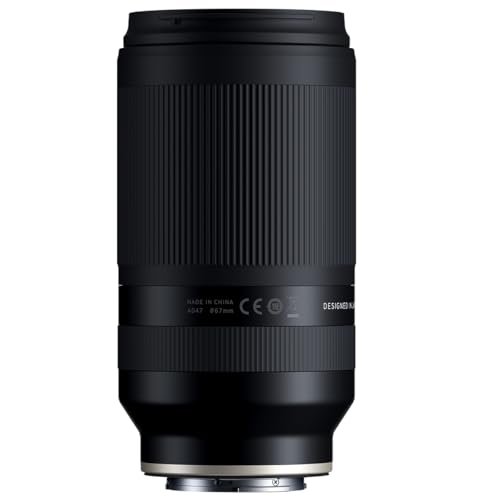
The best zoom lens for Sony a6000 balances reach, sharpness, size, stabilization, and fair cost.
You may love the Sony a6000 but still miss distant birds, sports action, travel scenes, or family moments. The small 16-50mm kit lens cannot cover every situation. A longer zoom lens for Sony a6000 can bring far subjects closer without forcing you to move. I tested the key differences that matter most, including focal length, autofocus, image stabilization, size, and price. These five Sony E-mount options suit different users, from casual travelers to serious wildlife shooters. One model is not a zoom, but it can still serve a clear role for portraits and low-light work.
See the differences between my top picks at a glance.
| Lens | Best Use | APS-C View | Stabilization | Main Strength | Buy |
|---|---|---|---|---|---|
| Tamron 70-300mm RXD | Wildlife and sports | 105-450mm equivalent | No lens OSS | Long reach and light design | View on Amazon |
| Sony 55-210mm OSS | Travel and family use | 82.5-315mm equivalent | Yes, OSS | Balanced size and ease of use | View on Amazon |
| Sony 55-210mm Renewed | Budget telephoto | 82.5-315mm equivalent | Yes, OSS | Lower-cost access to Sony OSS | View on Amazon |
| Tamron 28-200mm RXD | One-lens travel kit | 42-300mm equivalent | No lens OSS | Wide range and bright wide end | View on Amazon |
| Sony FE 50mm F1.8 | Portraits and low light | 75mm equivalent | No OSS | Wide aperture and soft background | View on Amazon |
Tamron 70-300mm RXD for Sony E-Mount

The Tamron 70-300mm F/4.5-6.3 Di III RXD gives the Sony a6000 a very long reach. On this APS-C camera, its view matches about 105-450mm on a full-frame body. That range works well for birds, field sports, stage events, and distant travel details. The lens uses Sony E mount and also works on compatible full-frame Sony mirrorless cameras.
Its RXD autofocus motor aims to keep focusing smooth and quiet. That helps during video and candid shooting. The lens does not include optical stabilization, so the a6000 user must pay close attention to shutter speed and hand position. In bright light, the long reach feels impressive, while the modest weight makes it easier to carry than many large wildlife lenses.
At 300mm, the maximum aperture is f/6.3. That is not ideal for a dark gym or late-evening action. Still, the lens can produce pleasing subject separation when the subject sits far from the background. I also like its close-focusing ability for larger flowers, outdoor details, and small objects, though it is not a true macro lens. This is a strong choice when reach matters more than a bright aperture.
Pros:
- Very useful 105-450mm equivalent reach on the Sony a6000
- RXD autofocus is designed for quiet, smooth operation
- Full-frame compatibility adds future upgrade value
- Relatively light for a lens that reaches 300mm
- Weather-resistant design helps with careful outdoor use
- Good choice for wildlife, sports, and distant subjects
Cons:
- No built-in optical image stabilization
- Slow f/6.3 maximum aperture at the long end
- Less useful in dim indoor locations
- Long focal lengths require careful technique to avoid blur
What Amazon Buyers Are Saying
Amazon buyer feedback commonly praises this lens for its reach, low weight, and sharp results in good light. Users often describe it as easier to carry than a large professional telephoto lens. Several types of buyers appear to value it for travel, outdoor events, and casual wildlife work.
The most common concerns center on the lack of stabilization and the slow aperture. Some buyers also note that autofocus performance depends on the camera body, subject movement, and available light. I recommend reading the current listing details carefully because price, warranty terms, and seller condition can change.
My Recommendation
I recommend the Tamron 70-300mm RXD for a Sony a6000 owner who wants maximum reach in a fairly portable package. It is not my first pick for indoor sports or sunset wildlife, but it excels in daylight. Use a faster shutter speed, enable the camera’s best focus tracking mode, and keep ISO under control when possible.
| Category | Rating |
|---|---|
| Reach on Sony a6000 | 4.8/5 |
| Autofocus | 4.3/5 |
| Low-light ability | 3.4/5 |
| Portability | 4.4/5 |
| Value | 4.4/5 |
| Overall Rating | 4.4/5 |
Sony E 55-210mm OSS Telephoto Lens

The Sony E 55-210mm F4.5-6.3 OSS remains one of the simplest telephoto upgrades for the Sony a6000. Its range gives a full-frame equivalent view of about 82.5-315mm. That covers portraits from a comfortable distance, children at play, travel details, and many outdoor sports scenes. It pairs naturally with the common 16-50mm kit lens.
The built-in Optical SteadyShot system is a major benefit. It can help reduce camera shake when you shoot still subjects at slower shutter speeds. Stabilization does not freeze a moving person or bird, but it can make handheld shots look cleaner in low light. The lens also has a compact form for its range and uses a common 49mm filter size.
The f/4.5-6.3 aperture limits its use in very dark rooms. At 210mm, the lens can also struggle with fast action when light drops. Yet the zoom range feels easy to learn, and the native Sony design offers good system fit. For many new a6000 users, this is the safest all-around telephoto starting point.
Pros:
- Native Sony E-mount fit for the a6000
- Useful 82.5-315mm equivalent range
- Optical SteadyShot helps with handheld camera shake
- Compact and manageable for travel
- Light enough for family outings and day trips
- Works well beside a standard kit zoom
Cons:
- Slow maximum aperture, especially at 210mm
- Not ideal for fast indoor sports
- Less reach than the Tamron 70-300mm
- Background blur is more limited than with a bright prime
What Amazon Buyers Are Saying
Common Amazon reviews praise the lens as an easy way to add telephoto range without spending on a large professional lens. Buyers often like the small size, the useful zoom range, and the value of built-in OSS. Many report good results for outdoor photos, vacations, family events, and casual nature shots.
Some buyers mention softness at the longest end or in low light. Others point out that the lens needs enough light for its best results. Those comments make sense for a compact f/4.5-6.3 telephoto. I would judge it by its intended role rather than compare it with a much brighter, more expensive lens.
My Recommendation
This is my best balanced pick for most Sony a6000 owners. It offers enough reach for normal outdoor use, includes optical stabilization, and stays easy to carry. If you want one dependable zoom lens for Sony a6000 without a large budget, the Sony 55-210mm OSS is a sensible choice.
| Category | Rating |
|---|---|
| Everyday telephoto range | 4.5/5 |
| Stabilization | 4.4/5 |
| Autofocus and fit | 4.3/5 |
| Portability | 4.6/5 |
| Value | 4.5/5 |
| Overall Rating | 4.5/5 |
Sony 55-210mm OSS Renewed Lens
The renewed Sony 55-210mm offers the same core lens design as the standard Sony telephoto model, but its condition and packaging may differ from a new retail unit. It gives the Sony a6000 an 82.5-315mm equivalent range. That makes it useful for outdoor portraits, travel scenes, school events, and distant details.
Its Optical SteadyShot system remains the main feature to look for. The stabilization can help when you hold the camera by hand and photograph a still subject. It cannot replace a fast shutter speed for action, and the lens still has a slow f/4.5-6.3 aperture. In bright daylight, however, it can deliver a practical reach boost at a low entry cost.
A renewed lens needs more inspection than a new lens. Check the seller’s condition notes, return policy, and warranty before ordering. When it arrives, test the zoom ring, focus response, stabilization, aperture control, and image quality at both ends. A clean front element and smooth operation matter more than a perfect box.
Pros:
- Affordable way to gain Sony telephoto reach
- Useful 55-210mm zoom range
- Built-in OSS supports handheld shooting
- Small enough for regular travel use
- Native compatibility with the Sony a6000
- Good option for first-time lens buyers on a budget
Cons:
- Renewed condition can vary by seller and unit
- Slow aperture limits dim-light performance
- May show cosmetic wear or arrive with different accessories
- Limited reach compared with a 300mm telephoto lens
What Amazon Buyers Are Saying
Amazon buyers often choose this renewed version because it can provide the Sony 55-210mm experience at a lower price. Common positive comments focus on working autofocus, useful reach, light weight, and the convenience of OSS. Buyers who understand the limits of a budget telephoto tend to view it as a practical add-on to the kit lens.
The main concern in renewed listings is unit condition. Some customers may receive a lens that looks nearly new, while others may notice marks or missing original packaging. Reviews can also reflect different sellers and stock batches. I suggest testing the lens soon after delivery and using the available return window if it does not meet the listing condition.
My Recommendation
I recommend this product when the renewed price is clearly lower than the new version and the seller provides a reasonable return policy. It is a good budget zoom lens for Sony a6000, but buyers must accept some condition risk. Choose the new version if the price difference is small.
| Category | Rating |
|---|---|
| Telephoto usefulness | 4.4/5 |
| OSS stabilization | 4.4/5 |
| Condition confidence | 3.8/5 |
| Portability | 4.6/5 |
| Budget value | 4.5/5 |
| Overall Rating | 4.3/5 |
Tamron 28-200mm RXD All-in-One Lens

The Tamron 28-200mm F/2.8-5.6 is the most flexible lens in this group. On the APS-C Sony a6000, it acts like a 42-300mm lens. That range covers street scenes, portraits, travel, food, landscapes, and distant subjects. It can replace several lenses for photographers who want to pack light.
The wide end starts at f/2.8, which is brighter than the other zooms here at their wide ends. That helps in shade, indoors, and during evening travel. Its RXD autofocus motor supports quiet focusing, and the lens is also made for Sony full-frame E-mount cameras. The full-frame design adds size and weight compared with a smaller APS-C-only lens.
This lens does not include optical stabilization. The Sony a6000 also lacks in-body image stabilization, so shutter speed becomes important. At the long end, the aperture reaches f/5.6, which still calls for good light or higher ISO. Even so, the broad range makes it a strong choice for a traveler who wants one lens mounted most of the day.
Pros:
- Wide 28-200mm range covers many photo styles
- 42-300mm equivalent view on the Sony a6000
- Bright f/2.8 maximum aperture at the wide end
- RXD autofocus is suited to quiet everyday shooting
- Full-frame compatibility supports a future camera upgrade
- Can reduce the need to carry several lenses
Cons:
- No optical stabilization
- Larger and heavier than a basic APS-C telephoto zoom
- Long-end aperture is still f/5.6
- 28mm is not as wide as a typical 16mm kit zoom on APS-C
What Amazon Buyers Are Saying
Many Amazon buyers like the one-lens travel idea. Reviews commonly point to the broad focal range, useful sharpness, bright wide-end aperture, and solid build. Travelers often value the ability to move from a normal view to a strong telephoto view without changing lenses.
The main complaints tend to involve weight, size, and the absence of stabilization. Some APS-C users also expect 28mm to look very wide, but the a6000 crop makes it behave more like 42mm. That is an important detail. I would pair it with a wider lens if you often photograph large buildings, tight interiors, or sweeping landscapes.
My Recommendation
I recommend the Tamron 28-200mm to a Sony a6000 owner who wants a premium travel lens and accepts its larger body. It is the most versatile option here, but it is not the best low-cost choice. It earns its price through range, the bright wide end, and full-frame upgrade potential.
| Category | Rating |
|---|---|
| Zoom versatility | 4.9/5 |
| Wide-end brightness | 4.7/5 |
| Autofocus | 4.4/5 |
| Portability | 3.9/5 |
| Travel value | 4.5/5 |
| Overall Rating | 4.5/5 |
Sony FE 50mm F1.8 Standard Lens

The Sony FE 50mm F1.8 is the one non-zoom lens in this comparison. I include it because many a6000 owners search for a lens that improves portraits and low-light photos, not only distant reach. On the APS-C sensor, it gives a view similar to a 75mm lens on full frame. That makes it useful for headshots, detail photos, and natural-looking portraits.
Its f/1.8 aperture lets in much more light than the telephoto zooms in this guide. It can also create a softer background when you focus on a nearby subject. The lens works on Sony full-frame E-mount cameras, so it can remain useful after a future camera upgrade. Its simple focal length also encourages you to move and compose with more care.
This lens cannot zoom. It does not replace a 55-210mm or 70-300mm lens for birds, sports, or far-away subjects. The autofocus experience may also feel less suited to fast action than newer premium lenses. I see it as a specialist add-on, not as the main zoom lens for Sony a6000.
Pros:
- Bright f/1.8 aperture helps in low light
- Good portrait focal length on the a6000
- Can create attractive background separation
- Full-frame compatible Sony E-mount design
- Simple prime lens encourages careful composition
- Useful for portraits, details, and indoor family photos
Cons:
- It cannot zoom or provide telephoto flexibility
- No optical stabilization
- Less useful for wildlife and sports
- Autofocus may feel slower than newer premium lenses
What Amazon Buyers Are Saying
Amazon reviews commonly praise the low price, bright aperture, portrait look, and ability to shoot in light where a kit zoom struggles. Buyers often use it for portraits, family photos, and casual video. The 75mm-equivalent view on the a6000 appeals to people who want a classic portrait lens.
Common complaints include slower autofocus, some softness at the widest aperture, and the fixed focal length. Those limits are normal for an affordable 50mm f/1.8 design. Stop down a little when you need more sharpness across the subject, and remember that the lens requires you to move your feet.
My Recommendation
Buy this lens if portraits and low-light photos matter more than zoom range. I do not recommend it as the only lens for a user who needs distant reach. It is a valuable second lens beside a standard zoom or telephoto, especially when the price is attractive.
| Category | Rating |
|---|---|
| Portrait quality | 4.5/5 |
| Low-light ability | 4.6/5 |
| Autofocus | 3.8/5 |
| Versatility | 3.4/5 |
| Value | 4.4/5 |
| Overall Rating | 4.1/5 |
How to Choose a Zoom Lens for Sony a6000
Choosing the right zoom lens for Sony a6000 starts with your subject, not the longest number on the box. The a6000 uses a Sony E mount and an APS-C sensor. Its 1.5x crop factor changes how each focal length looks. A 55-210mm lens gives a view similar to 82.5-315mm on full frame, while a 70-300mm lens gives about 105-450mm.
A long lens can bring distant subjects closer, but it may also become larger, darker, and harder to hold steady. A wide-range lens can reduce lens changes, but it may cost more and weigh more. I suggest choosing the lens that solves your most common problem.
1. Match the Focal Range to Your Subjects
Start by asking what you photograph most. For family trips and outdoor portraits, 55-210mm offers a useful middle ground. It gives enough reach for many scenes without making the camera feel too large. The Sony OSS system also helps when the subject stays still.
For birds and distant sports, 70-300mm gives a clear reach advantage. The extra 90mm at the long end may help fill more of the frame. However, you need more light and better technique. A long lens magnifies hand shake, so use a faster shutter speed and support the lens with your left hand.
The Tamron 28-200mm suits a traveler who wants one lens for many scenes. On the a6000, its 28mm starting point does not look very wide. The kit 16-50mm lens may still be better for tight indoor rooms and broad landscapes. Think about the range you already own before buying.
2. Check Aperture, Stabilization, and Autofocus
Aperture controls light and background blur. A lower f-number, such as f/2.8 or f/1.8, lets in more light. The Tamron 28-200mm starts at f/2.8, which gives it an advantage for street scenes and travel after sunset. The Sony 50mm F1.8 goes further for portraits and dim rooms, but it cannot zoom.
Optical stabilization helps reduce blur from your own movement. The Sony 55-210mm models include OSS. The Tamron 70-300mm and 28-200mm models do not include lens stabilization. The Sony a6000 does not have in-body stabilization, so this difference matters. Stabilization helps with still subjects, not with a running child or flying bird.
Autofocus also matters. RXD is Tamron’s quiet focus drive for compatible mirrorless use. Native Sony lenses offer system integration and familiar camera control. Still, focus results depend on light, subject movement, camera settings, and firmware. No lens can make every tracking situation perfect.
3. Weigh Size, Condition, and Long-Term Value
The best lens is one you will carry. The Tamron 28-200mm offers the widest range, but its full-frame design adds bulk. The Sony 55-210mm is easier to pack and pairs well with the small a6000 body. The Tamron 70-300mm stays fairly manageable for its reach, but its long focal length needs more care.
Consider future camera plans, too. Full-frame-compatible lenses can move with you to a full-frame Sony body. APS-C users may not need that extra coverage, but it can add value if you expect to upgrade. On the other hand, a smaller APS-C lens may balance better and cost less.
Renewed gear can save money. It can also carry more condition risk. Check the listing, seller, warranty, return rules, included caps, and signs of fungus or haze. Test every function soon after delivery. A lower price only helps if the lens works as expected.
Final Verdict: Which Should You Buy?
For most users, I recommend the new Sony 55-210mm OSS. It offers useful reach, stabilization, small size, and strong value. Choose the Tamron 70-300mm for wildlife, or the Tamron 28-200mm for one-lens travel flexibility.
The right zoom lens for Sony a6000 should fit your subjects and your bag. Compare reach, aperture, OSS, autofocus, and seller terms before you buy.
FAQs Of zoom lens for sony a6000
What is the best zoom lens for Sony a6000?
The Sony 55-210mm OSS is the best balanced choice for many users. It offers useful telephoto reach, optical stabilization, and a manageable size.
Is the Tamron 70-300mm compatible with the Sony a6000?
Yes. The Tamron 70-300mm listed here uses Sony E mount and works with the APS-C Sony a6000. Its view is about 105-450mm in full-frame terms.
Does the Sony a6000 need a stabilized lens?
The Sony a6000 does not include in-body image stabilization. A lens with OSS can help reduce camera shake, especially with still subjects and slower shutter speeds.
Is the Tamron 28-200mm too large for the Sony a6000?
It is larger than the Sony 55-210mm because it is a full-frame all-in-one lens. It still works on the a6000, but its size may feel less balanced on the small camera body.
Can I use the Sony 50mm F1.8 as a zoom lens?
No. The Sony 50mm F1.8 is a prime lens with one fixed focal length. On the a6000, it gives a portrait-friendly view similar to 75mm on full frame.