The best lenses for fine art photography balance sharp detail, gentle depth, color, and creative control.
Many photographers reach a point where a kit lens feels limiting. Images may look clear, yet they lack mood, depth, or a personal style. Choosing lenses for fine art photography can help, but the products in this guide need a clear explanation. The list includes photography books, a digital texture guide, and a lens-care blower rather than camera lenses. I review each item for the way it supports fine-art work, while also explaining what focal lengths and lens traits you should seek before buying.
See the differences between my top picks at a glance.
Insights From Beyond the Lens

Insights From Beyond the Lens: Inside the Art & Craft of Landscape Photography focuses on the creative side of landscape work. That matters because fine-art landscape images need more than technical sharpness. They need a strong point of view, careful timing, and a clear sense of place. A book like this can help you think about the finished image before you press the shutter.
I see this title as a companion to a well-chosen wide-angle, standard zoom, or telephoto lens. It does not replace a lens, and the listing does not present it as one. Instead, it can help you understand how different focal lengths change space, scale, and mood. That makes it useful for photographers who want to turn ordinary scenery into a considered art print.
Pros:
- Supports a more thoughtful approach to landscape composition
- Useful for photographers building a fine-art vision
- Helps connect camera technique with visual storytelling
- Pairs well with wide-angle and telephoto lens practice
- Can inspire location planning and patient shooting
- Suitable for photographers at several skill levels
Cons:
- It is a book, not a physical camera lens
- It may offer less value to readers seeking only camera settings
- Landscape-focused advice may not suit portrait or still-life artists
What Amazon Buyers Are Saying
The Amazon listing should be checked for the latest buyer comments, edition details, and format options before purchase. I do not treat unverified review claims as fact. Based on the product’s stated subject, the main appeal is its focus on the art and craft of landscape photography rather than on gear alone. Buyers who want a visual and creative resource should find that focus more useful than a basic equipment manual.
Potential buyers should also check whether the available format matches their needs. A print copy may work well beside a camera during planning, while a digital edition may offer easier travel use. Read recent reviews for comments about image reproduction, page condition, and writing style before ordering.
My Recommendation
I recommend this book for photographers who want to develop a stronger landscape voice. It is a useful learning aid beside lenses for fine art photography, but it cannot replace hands-on practice or a high-quality lens. Buy it when composition and visual intent matter as much to you as sharpness.
Vitruvian Lens, Edition 4

Vitruvian Lens – Edition 4: Fine Art Male Photography is a visual reference for photographers interested in the male form. Fine-art portraiture depends on trust, shape, light, and restraint. The right lens can record those details, but the photographer still needs a strong concept and a respectful approach to the subject. This book may help with that visual study.
This is not a buying choice for camera optics. It is a source of ideas for portrait sessions and personal projects. I would use it to study pose, negative space, tonal balance, and the way light describes the body. Those lessons can guide your choice between a 50mm, 85mm, or longer portrait lens, depending on your camera system and working distance.
Pros:
- Targets a clear fine-art portrait subject
- May support study of pose, form, and lighting
- Useful for photographers planning a portrait series
- Encourages a concept-led approach to image making
- Can broaden visual references beyond standard headshots
- Relevant to artists who want a focused body of work
Cons:
- It is a photography book, not a portrait lens
- Its subject focus may not fit every photographer
- Visual examples may not match your preferred style or audience
What Amazon Buyers Are Saying
Before buying, I suggest checking the current Amazon page for verified reviews and the exact edition. I cannot confirm a universal buyer response without treating each review as current and authentic. The title’s clear subject makes it most suitable for photographers who want a focused reference for male fine-art portraiture, rather than a broad guide to studio photography.
Look for comments about print quality, image reproduction, binding, and the balance between photographs and written material. Those details matter in an art book. They also affect whether the book works better as a working reference or as a display item.
My Recommendation
This book is worth considering if male fine-art portraiture forms part of your creative plan. It will not teach every technical detail of portrait lenses, but it can strengthen your visual research. I rate it highly as a subject-specific reference and moderately as a general photography purchase.
Art Beyond the Lens: Digital Textures

Art Beyond the Lens: Working with Digital Textures addresses a key part of modern fine-art photography: editing. A lens records light, but digital textures can change the mood, surface, and visual language of the final file. Used with care, texture work can add age, grain, paper feel, or a painterly layer without hiding the subject.
I like this type of guide for photographers who already understand basic exposure and want to explore a more personal finish. It can help you think beyond a clean, literal photograph. Still, texture effects work best when they support the subject. Strong lenses for fine art photography give you a clean starting file, while careful editing gives that file a distinct voice.
Pros:
- Focuses on creative digital texture methods
- Supports a more personal post-processing style
- Useful for photographers creating prints or mixed-media work
- Can help turn a plain image into a more expressive piece
- Encourages experimentation with layers and surface
- Pairs well with detailed raw files from modern cameras
Cons:
- It does not cover the purchase of physical camera lenses
- Texture work can look artificial if applied too strongly
- Some techniques may depend on specific editing software
What Amazon Buyers Are Saying
Check the Amazon listing for current comments about the edition, software references, and ease of following the lessons. I avoid assigning specific opinions to buyers without a verified review record. The title clearly serves photographers who want to explore digital textures, so its value will depend on your interest in editing rather than on your need for camera hardware.
Pay attention to comments about the clarity of steps and the age of the software advice. Editing tools change over time. A strong creative idea can remain useful, but menu names and workflows may differ in newer applications.
My Recommendation
I recommend this guide for photographers who want to build a textured, painterly, or mixed-media look. It is a useful creative partner to lenses for fine art photography. It should not be your first purchase if you still need help with focus, exposure, or basic composition.
Landscape Photography: First Frame to Fine Art

Landscape Photography from First Frame to Fine Art covers a broad workflow. Its listed topics include exposure, composition, natural light, lenses, filters, focus, location scouting, and editing. That range gives it a wider practical role than a book that discusses only inspiration. It may help a newer photographer connect the whole process from planning to final image.
This guide is especially relevant when you are comparing lenses for fine art photography. Lens choice makes more sense when you know how you plan to shoot. A wide lens can show space and foreground detail. A telephoto lens can compress distant layers. A standard focal length can create a calm, natural view. The best option depends on your subject and working method.
Pros:
- Covers the full path from first frame to finished artwork
- Includes lens and focus topics in a landscape setting
- Addresses natural light and location planning
- May suit beginners who want one broad learning resource
- Connects capture, composition, and editing
- Useful for building a repeatable field workflow
Cons:
- A broad guide may not explore each topic in great depth
- Landscape advice may not fit studio or close-up work
- Digital advice can date as software and cameras change
What Amazon Buyers Are Saying
Because this title appears as a newer listing, I recommend checking current Amazon buyer feedback before ordering. I cannot honestly claim a settled review trend without verified, up-to-date data. Read comments about the writing level, image examples, digital format, and the depth of the lens sections.
The listed chapter range makes this guide appealing to learners who want a connected process. Advanced photographers may prefer a specialist book on large-format printing, color management, or advanced optics. Buyers should match the guide’s broad scope to their own experience.
My Recommendation
This is the strongest all-round learning choice in the group. I recommend it for a new or growing landscape photographer who needs help with planning, shooting, and editing. It supports a smart lens purchase, but it remains a guide rather than a lens.
Soft Tip Silicone Air Blower
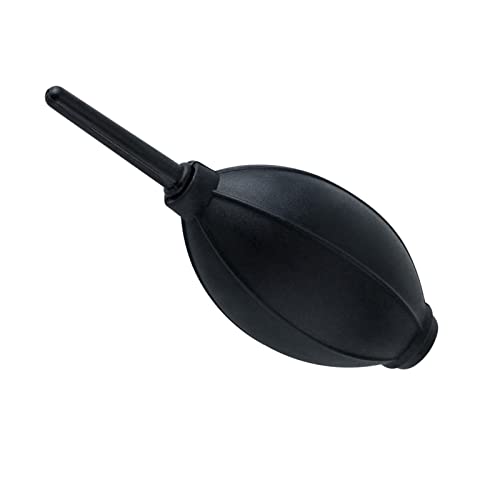
The Soft Tip Silicone Super Air Blower is the only physical camera accessory in this list. It is designed to push loose dust from lenses, screens, keyboards, filters, and similar surfaces. The listing also includes a cleaning cloth. For fine-art photography, this simple tool can protect image quality by helping you remove loose particles before they appear as spots or marks.
I would use an air blower before touching a lens with a cloth. Loose grit can scratch a coating if you wipe it across the glass. The blower does not replace a proper lens-cleaning method, and you should never force air onto sensitive camera parts without care. For routine maintenance, though, it can be a handy low-cost addition to a camera bag.
Pros:
- Supports regular lens and filter maintenance
- Helps remove loose dust without direct contact
- Soft tip may reduce the risk of hard contact
- Small accessory for a camera bag or desk
- Useful for lenses, screens, and other gear
- Includes a cloth according to the product listing
Cons:
- It cannot remove oily marks by itself
- It does not replace a complete sensor-cleaning system
- Air pressure and durability may vary with use
What Amazon Buyers Are Saying
Check the current Amazon reviews for comments about bulb strength, valve action, tip quality, and the cloth. I do not invent buyer experiences or assume that every unit performs the same way. Those details matter because a blower must move dust without shedding particles or touching the glass.
Buyers should also read the product dimensions and inspect the return terms. A small blower may travel well but move less air than a larger professional model. Use it for loose dust only, and follow your camera maker’s care instructions for the sensor.
My Recommendation
I recommend this blower as a practical support item, not as one of the lenses for fine art photography. It can help keep expensive optics clean between shoots. At its likely price point, it makes sense for beginners and working photographers who need a basic contact-free cleaning tool.
How to Choose Lenses for Fine Art Photography
Choosing lenses for fine art photography starts with your subject and your way of seeing. Do not buy a lens only because it has the highest sharpness score. A fine-art image may need soft background blur, quiet perspective, close focus, edge detail, or strong control over flare. The right lens gives you options without making the camera work harder than needed.
1. Match the Focal Length to Your Subject
Wide-angle lenses often suit large landscapes, architecture, and scenes where foreground space matters. Common full-frame choices range from about 14mm to 35mm. Very wide lenses can make near objects look large and distant objects look small. That effect can feel dramatic, but it can also stretch faces and lines.
Standard lenses around 35mm to 50mm give a natural view. They work well for street scenes, still life, travel, and quiet visual studies. Short telephoto lenses, such as 85mm or 105mm, help with portraits and detail. They also give you more working distance and can simplify a busy background.
Longer telephoto lenses can compress layers in a landscape. They help isolate a distant tree, ridge, or building. Macro lenses can reveal small subjects with high detail. Before buying, write down the subjects you shoot most. That simple step often narrows the choice faster than reading endless specifications.
2. Look for Rendering, Focus, and Light Control
Sharpness matters, but it is only one part of lens performance. Fine-art photographers should also consider contrast, color, bokeh, flare behavior, distortion, and focus response. A lens with gentle background blur may suit portraits. A lens with strong edge control may suit architecture or detailed prints.
A wide maximum aperture, such as f/1.4 or f/2, can help in low light and create shallow depth of field. It also makes a lens larger, heavier, and more costly in many cases. You may not need that speed for a tripod-based landscape. An f/4 zoom may offer better balance when you value travel size and flexible framing.
Close-focus ability can add value for still life and nature work. Image stabilization can help when you shoot by hand, but it does not freeze a moving subject. Weather sealing can matter for outdoor projects. Always confirm that a lens fits your camera mount. A lens for one system may not work on another without the correct adapter.
3. Compare Print Quality, Handling, and Total Value
Think about the final use of your work. If you sell large prints, detail and corner performance deserve close attention. If you make soft, dreamlike images, clinical sharpness may matter less than flare and focus character. If you travel to remote locations, weight and size may matter more than a tiny gain in resolution.
Read independent tests and recent owner comments, but keep them in context. A lens can perform well in a lab and still feel wrong in your hands. Check the focus ring, zoom ring, filter size, hood, minimum focus distance, and repair support. A used lens can offer strong value, but inspect the glass, mount, autofocus, and aperture blades before paying.
Budget for care as well. A front filter, rear cap, padded case, and air blower can protect your investment. The Soft Tip Silicone Air Blower in this guide may help with loose dust. Never scrub dirty glass without first removing grit. Clean gear supports consistent results, but good technique still matters more than accessories.
Final Verdict: Which Should You Buy?
The Landscape Photography guide is the best overall companion because it covers composition, lenses, focus, light, and editing. For creative depth, Insights From Beyond the Lens is my top art-focused pick. The blower is the best practical accessory.
Remember, the listed products are not camera lenses. Use their lessons to choose lenses for fine art photography that match your subject, style, and print goals.
FAQs Of lenses for fine art photography
What focal length is best for fine art photography?
There is no single best focal length. Use wide lenses for space, standard lenses for natural views, short telephoto lenses for portraits, and macro lenses for close detail.
Is a prime lens better than a zoom for fine-art images?
A prime lens often offers a wide aperture and a simple shooting process. A zoom gives faster framing changes. The better choice depends on your subject, budget, and working style.
Do I need a very sharp lens for fine art photography?
High detail helps with large prints, but sharpness is not everything. Rendering, color, focus control, flare, and your creative idea also shape the final image.
Are the products in this guide actual camera lenses?
No. The list contains photography books, a digital texture guide, and a lens-care blower. They support fine-art photography but do not attach to a camera.
How should I clean lenses for fine art photography?
First use an air blower to remove loose dust. Then use a clean lens cloth and a suitable lens-cleaning solution when needed. Follow your camera and lens maker’s care instructions.