
For photographers in the United States, the KUVRD Universal Lens Hood is designed as a flexible, one-size lens hood for use with many DSLR and mirrorless camera lenses. KUVRD markets it as fitting 99% of lenses and providing protection against outdoor elements. That claim is useful as a starting point, but it should not replace a fit check before purchase.
The hood may help reduce glare, shield the front element from light rain or dust, and add a small layer of physical protection. However, it cannot replace a lens cap, weather-sealed camera system, clear filter, or proper rain cover. Its value depends on your lens shape, filter setup, and shooting conditions.

What Is the KUVRD Universal Lens Hood?
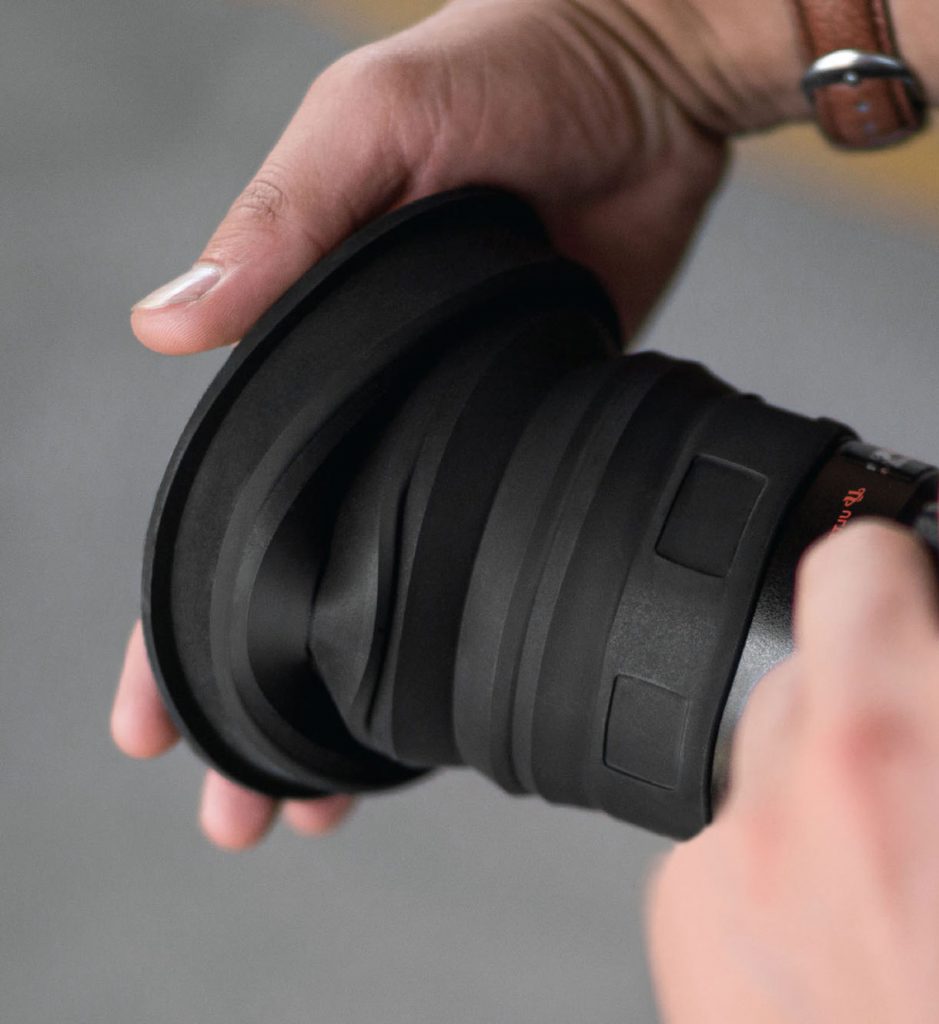
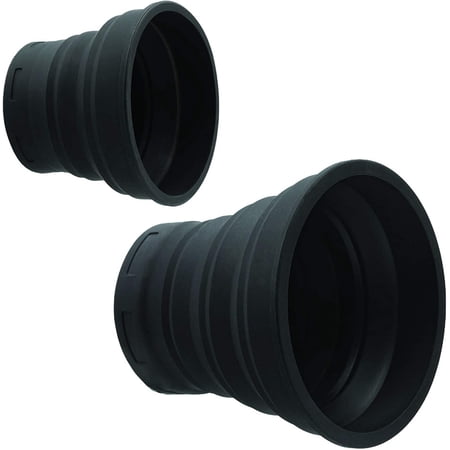
The KUVRD Universal Lens Hood is a flexible lens accessory made to work across a wide range of camera lenses. Unlike a rigid hood made for one lens model, a universal hood uses a stretchable design that can adapt to different lens barrels.
A lens hood serves two main purposes:
- It blocks stray light from reaching the front element.
- It helps protect the front of the lens from minor bumps, dust, and light moisture.
KUVRD’s “fits 99% of lenses” statement is a manufacturer claim, not a universal industry measurement. Lens diameter, barrel shape, filter size, zoom movement, and accessory placement can all affect compatibility.
What “Element Proof” Means
“Element Proof” appears to describe protection from common outdoor conditions, such as light rain, snow, dust, and wind-blown debris. It should be read as product positioning unless KUVRD provides a specific test standard or protection rating for the exact model.
The term does not automatically mean that the hood is:
- Waterproof under immersion
- Suitable for heavy storms
- A replacement for a camera rain cover
- Certified to an IP, military, or optical protection standard
- Able to protect the camera body from moisture
The practical benefit is best understood as an extra barrier around the lens front, not complete weather protection.
How a Lens Hood Helps Image Quality
A lens hood can reduce flare by blocking light that comes from outside the picture frame. This is most useful when the sun, a bright lamp, or another strong light source is near the edge of the frame.
Stray light can create:
- Washed-out contrast
- Ghost images
- Hazy areas
- Reduced color depth
- Bright streaks or spots
A hood cannot fix every flare problem. If a strong light source is inside the frame, the hood will not block it. Dirty glass, uncoated filters, and reflections from nearby surfaces can also create flare.
A universal hood may provide good protection, but a lens-specific hood usually offers more precise shading. A custom hood is shaped for the exact viewing angle of a lens. A flexible universal hood must use a broader design to support many lens types.
That creates the main trade-off:
| Feature | Universal hood | Lens-specific hood |
|---|---|---|
| Compatibility | Works with many lenses if the fit is correct | Made for one lens or lens family |
| Convenience | Easy to move between lenses | Must usually be changed with the lens |
| Optical shading | May be less precise | Usually more precise |
| Storage | Often flexible or collapsible | May be rigid |
| Cost | May reduce the need for several hoods | Requires separate hoods for different lenses |
| Fit risk | Must be checked carefully | Usually predictable |

Does the KUVRD Lens Hood Fit 99% of Lenses?
The short answer is: possibly, but the 99% figure should not be treated as a guarantee for every camera lens.
Compatibility depends on more than the brand or mount. A Canon RF lens, Nikon Z lens, Sony E-mount lens, Fujifilm X lens, or Micro Four Thirds lens may still have a different front barrel design. The camera mount controls how the lens attaches to the camera, while the front diameter affects whether an accessory can attach to the lens.
Before buying, check these points:
- Front lens diameter: Compare the hood’s supported size range with the outside diameter of your lens.
- Barrel shape: Check whether the lens has a smooth, round surface that allows the hood to grip.
- Moving parts: Make sure the hood will not block a focus ring, zoom ring, or extending lens barrel.
- Filter use: Confirm whether you can still use a UV, polarizing, or neutral-density filter.
- Lens cap clearance: Check whether the original cap can be installed without removing the hood.
- Wide-angle coverage: Watch for dark corners, called vignetting, at the widest focal length.
- Front accessories: Consider step-up rings, filter holders, adapters, and protective rings already attached to the lens.
A Simple Fit Test
If you already own the hood, mount it while the camera is turned off. Set the lens to its widest focal length. Then photograph a plain, bright surface or inspect the frame edges through the viewfinder.
Look for:
- Dark corners
- Uneven shading
- The hood appearing in the frame
- Restricted zoom or focus movement
- A loose fit that shifts during use
- Pressure on the lens barrel
If the hood appears in the image, remove it or adjust its position. Do not force a flexible hood onto a lens if it interferes with moving parts.
How to Use the KUVRD Universal Lens Hood
Use the hood only after confirming that it does not obstruct lens controls or the image area.
Setup Steps
- Remove the lens cap.
- Inspect the lens barrel for dirt, moisture, or loose material.
- Place the hood evenly around the front of the lens.
- Check that the hood sits straight and does not press against the glass.
- Test the zoom and focus controls.
- Check the viewfinder or screen for dark corners.
- If you use a filter, confirm that it can rotate or remain accessible.
- Take a test image at the widest focal length.
The most important test is the last one. A hood can look centered from the outside and still cause vignetting in a wide-angle image.
Signs of a Good Fit
A properly fitted hood should:
- Stay in place during normal movement
- Leave the front element free from contact
- Avoid blocking the field of view
- Allow normal lens operation
- Avoid pressing buttons or switches
- Work with your chosen filter setup
If the hood slips, folds inward, blocks the frame, or restricts the lens, it is not a suitable fit for that setup.

KUVRD Universal Lens Hood for Rain, Dust, and Outdoor Use
The KUVRD hood may be useful during light outdoor exposure because it can place a flexible barrier around the front of the lens. This can help reduce direct contact with light drizzle, dust, or small splashes.
It does not make the full camera system weatherproof. Moisture can still enter through:
- The lens mount
- Zoom and focus controls
- Buttons and dials
- Battery and memory-card doors
- Cable ports
- Gaps between the lens and camera body
For heavy rain, use a dedicated camera rain cover or another system designed for wet conditions. Keep a dry cloth and sealed bag available when shooting near water, snow, or sudden storms.
What to Do if the Hood Gets Wet
If the hood becomes wet:
- Move the camera to a sheltered place.
- Wipe the hood with a clean, soft cloth.
- Check the lens front and mount for moisture.
- Remove moisture before storing the camera.
- Allow the accessory to dry fully before folding or packing it.
Do not wipe the lens front with a rough shirt or paper towel. Small particles can scratch optical coatings when rubbed across the glass.

Advantages and Limitations
The KUVRD Universal Lens Hood may suit photographers who use several lenses and want one flexible accessory. Its main benefit is convenience rather than guaranteed optical performance on every lens.
Potential Advantages
- One hood may work across multiple lenses.
- A flexible design may be easier to pack than a rigid hood.
- It can add a barrier against minor bumps and light outdoor exposure.
- It may reduce the need to buy separate hoods.
- It can be practical for travel, hiking, street photography, and casual outdoor work.
Important Limitations
- The “99%” fit claim may not apply to every lens design.
- A universal shape may not shade light as precisely as a lens-specific hood.
- Wide-angle lenses may show vignetting.
- Filters or adapters may change the fit.
- It is not a complete camera rain cover.
- It cannot prevent all scratches, impact damage, or moisture intrusion.
- A loose hood may shift during movement.
The best choice depends on your priority. Choose a universal hood for flexibility and simple storage. Choose a dedicated hood when maximum flare control and exact fit matter most.

KUVRD Universal Lens Hood vs. a Standard Lens Hood
A standard lens hood is usually designed for a particular lens model or front diameter. It often uses a bayonet mount or screw thread. This gives it a more stable and predictable fit.
The KUVRD approach is different. It aims to work across many lenses through a flexible, adaptable design. That can reduce the number of accessories in a camera bag, but it also places more responsibility on the user to test fit and image coverage.
A standard hood may be better for:
- Professional work where reliability is critical
- Wide-angle lenses that need precise shading
- Fast-moving shoots with frequent lens changes
- Users who want a firm, locked attachment
- Lenses with unusual front shapes
The KUVRD hood may be better for:
- Travel photographers
- Beginners with several lens sizes
- Outdoor hobbyists
- People who want a compact backup accessory
- Shooters who value flexibility over exact lens-specific design
Neither type is automatically better. The correct choice depends on the lens, shooting conditions, and need for optical control.

Common Mistakes to Avoid
Assuming Every Lens Fits
The product’s advertised coverage does not remove the need to check your lens. Measure or confirm compatibility, especially with specialty lenses.
Leaving the Hood on Without Testing
Always test the widest focal length. A hood that works at 50mm may block the corners at 24mm.
Treating the Hood as Full Weather Protection
A lens hood covers the front area. It does not seal the camera body, mount, controls, or ports.
Forgetting About Filters
A polarizer may need to rotate while installed. Make sure the hood does not block access or force the filter out of alignment.
Touching the Lens With the Hood
The hood should protect the lens, not press against it. Contact can transfer dirt or pressure to the front element.
Storing It While Damp
Moisture left in a folded accessory can create odors or contribute to material damage. Dry it before storage.
Using It With a Lens Cap Without Checking Clearance
Some universal hoods may change how the original cap attaches. Test the cap before relying on the setup in a bag.

Is the KUVRD Universal Lens Hood Worth It?
The KUVRD Universal Lens Hood can be worth considering if you want one flexible accessory for several lenses and mainly shoot in mild outdoor conditions. Its strongest use case is convenience: one adaptable hood may take up less space than multiple lens-specific hoods.
It is less compelling if you need exact optical shading, guaranteed compatibility, heavy-weather protection, or a rigid locking mount. In those cases, a lens-specific hood or dedicated rain cover may be the safer choice.
Before buying, confirm three things:
- The hood fits the outside of your lens barrel.
- It does not cause vignetting at the widest focal length.
- It works with your filters, lens cap, and normal controls.
The “fits 99% of lenses” statement should be treated as a broad product claim. Your own lens model and accessories determine the real result.

Frequently Asked Questions
Does the KUVRD lens hood work with mirrorless cameras?
It may work with mirrorless lenses if the front barrel and diameter are compatible. Camera type alone does not determine fit. Check the lens design, front size, and moving parts before use.
Can I use a filter with the KUVRD Universal Lens Hood?
That depends on the hood design and the filter setup. Test the accessory with the exact filter, step-up ring, or adapter you plan to use. A filter can change the hood’s grip and may increase the risk of vignetting.
Does the hood replace a lens cap?
No. A lens hood and a lens cap have different jobs. The hood helps block stray light and offers limited front protection. The cap protects the lens during storage and transport.
Can I use it in heavy rain?
You should not rely on a universal lens hood as the only protection in heavy rain. Use a camera rain cover and follow the weather limits of your camera and lens.
Will the hood prevent lens flare?
It may reduce flare from light outside the frame, but it cannot eliminate flare in every situation. The sun’s position, lens coatings, filters, and nearby reflective surfaces also affect flare.
Final Recommendation
The KUVRD Universal Lens Hood is best viewed as a flexible, multi-lens accessory, not a guaranteed replacement for every lens hood or weather cover. Its advertised 99% compatibility may be useful for many common lenses, but fit must be verified on the specific lens and accessory combination.
For casual travel, outdoor, and everyday photography in the United States, it may provide useful glare control and added front-lens protection. For demanding professional work, wide-angle shooting, or severe weather, a lens-specific hood and dedicated rain protection remain more dependable choices.

