
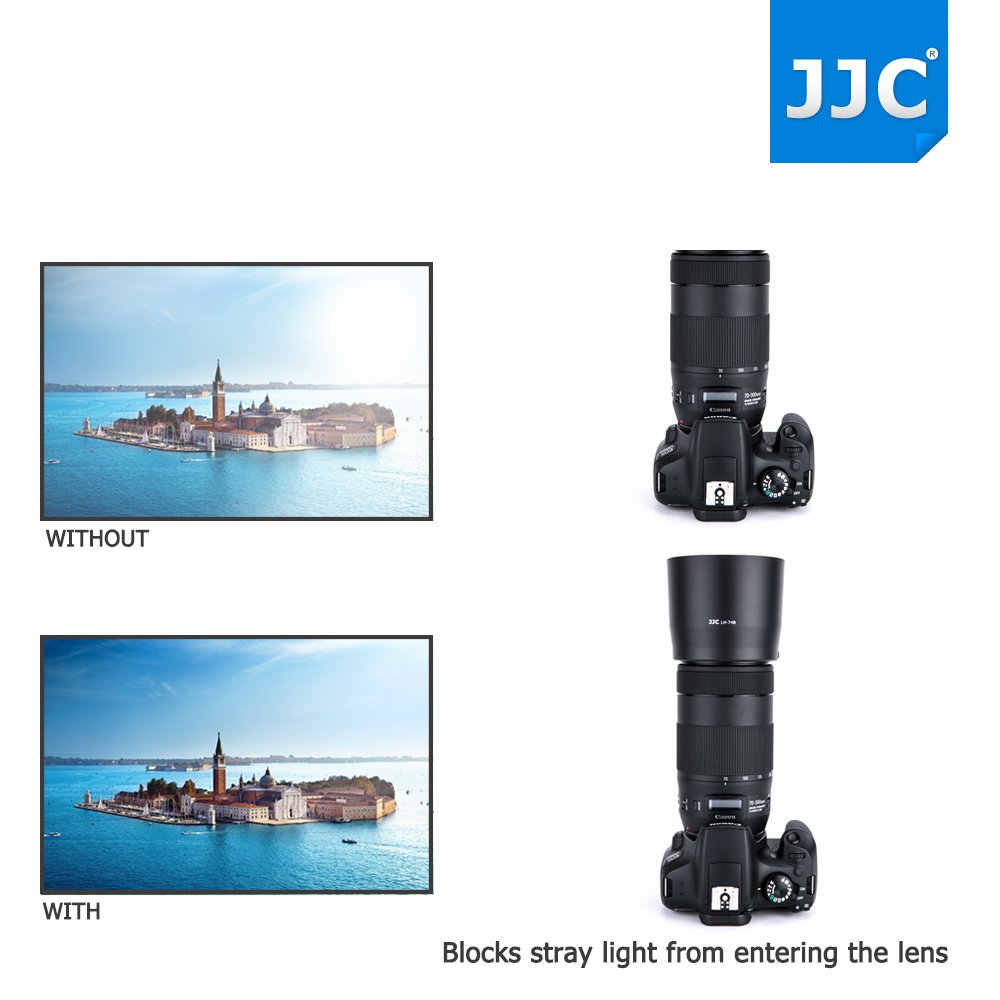
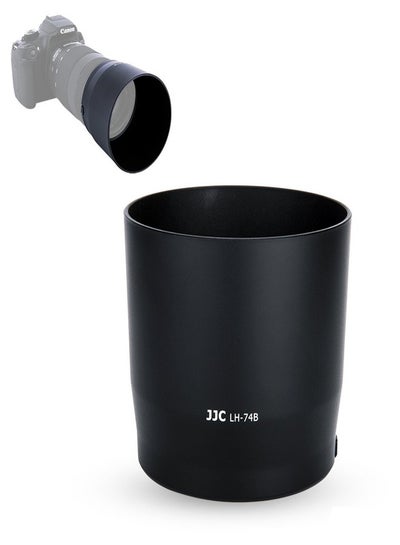
The JJC dedicated lens hood for the Canon RF 100-400mm F5.6-8 IS USM is a third-party replacement or backup hood designed to fit that specific RF telephoto zoom lens. Its main job is to reduce stray light and help shield the front lens element from minor bumps, dust, and light rain.
For photographers in the United States, the key buying check is simple: choose a hood listed for the Canon RF 100-400mm F5.6-8 IS USM, not the older EF 100-400mm lens or another RF zoom. A correctly fitted hood should attach to the lens bayonet without force, remain secure during use, and avoid blocking the image or lens controls.
Introduction
A lens hood may look like a small plastic accessory, but it can improve outdoor shooting in several useful ways. It helps stop light from reaching the front element at sharp side angles, which may reduce flare and loss of contrast. It also creates a small buffer around the front of the lens.
The JJC Lens Hood Shade Protector is made for the Canon RF 100-400mm lens mount and barrel design. It is best viewed as a practical accessory for wildlife, sports, travel, hiking, and general outdoor photography—not as a replacement for a protective filter or a padded camera bag.
Before ordering, confirm the exact lens name printed on your lens: Canon RF 100-400mm F5.6-8 IS USM. The Canon EF 100-400mm lenses use a different hood system.
What the JJC Lens Hood Does
The JJC hood works by placing a short, shaped barrier around the front of the lens. This barrier blocks some off-axis light before it reaches the front element and internal optical surfaces.
That can help in several common situations:
- Shooting toward a low sun
- Photographing near bright windows
- Working under strong stadium or field lighting
- Taking photos near reflective water or snow
- Shooting outdoors where dust or light drizzle may reach the lens
The hood cannot remove flare in every situation. If a bright light source remains inside the lens’s angle of view, flare may still appear. The hood also cannot replace careful framing, a clean front element, or proper exposure control.
Main benefits
The JJC dedicated hood may offer four practical benefits:
- Stray-light control: It can reduce some unwanted light that causes veiling flare.
- Contrast support: Less stray light may help preserve contrast in difficult lighting.
- Front-element shielding: The hood adds a small physical barrier against light contact.
- Everyday handling: It may make the lens easier to carry and use outdoors without touching the glass.
These benefits depend on correct fit. A hood made for another Canon lens may be too short, too long, loose, or poorly aligned.
Canon RF 100-400mm Compatibility
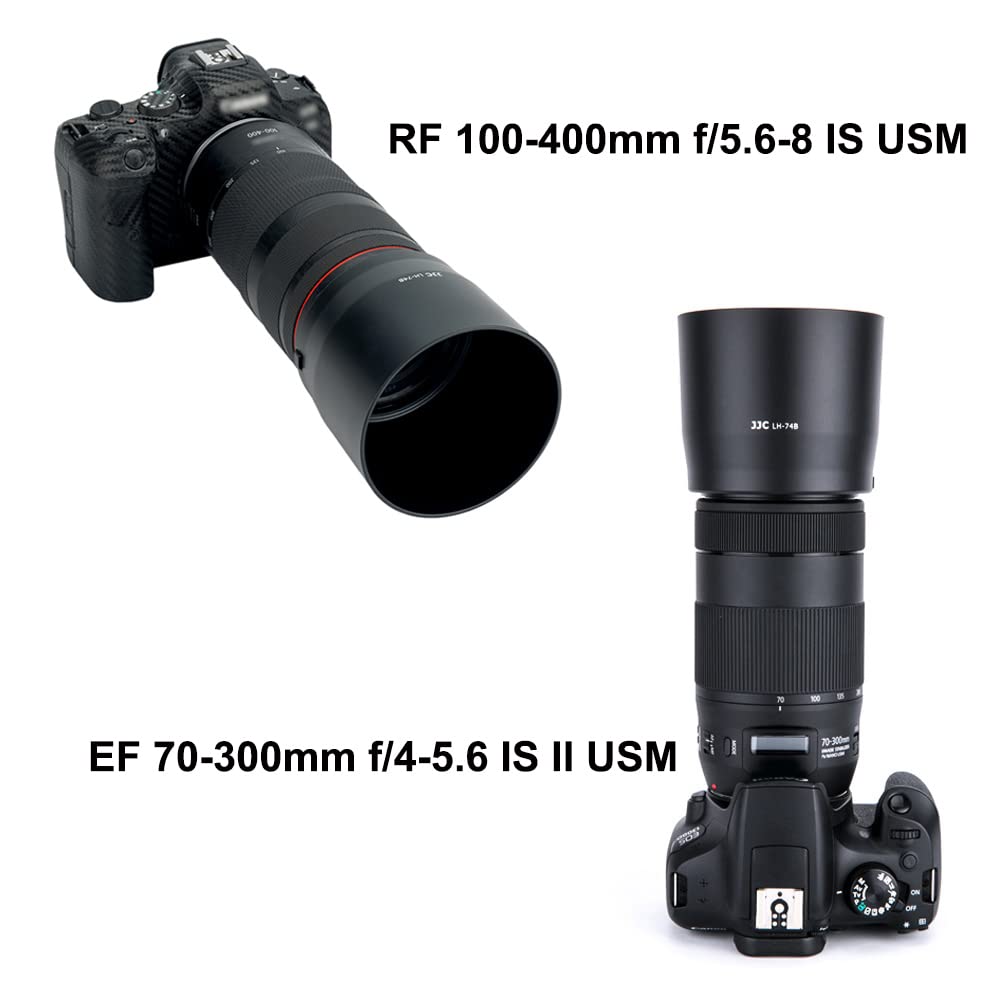
The JJC hood should be used only when the product listing clearly identifies the Canon RF 100-400mm F5.6-8 IS USM. This lens is made for Canon’s RF-mount mirrorless cameras, such as compatible EOS R-series bodies.
Do not assume that a hood for an older Canon 100-400mm lens will fit. The EF 100-400mm lenses use a different lens body and mounting design. The Canon RF 100-500mm also uses a different hood.
| Lens | Use the JJC RF 100-400 hood? | Reason |
|---|---|---|
| Canon RF 100-400mm F5.6-8 IS USM | Yes, if the listing states this exact lens | Designed for this lens |
| Canon EF 100-400mm lenses | No | Different lens mount and body |
| Canon RF 100-500mm F4.5-7.1 L IS USM | No | Different barrel and hood design |
| Canon RF 200-800mm F6.3-9 IS USM | No | Different lens size and mounting system |
| Another brand’s 100-400mm lens | No | Different dimensions and bayonet fit |
The lens hood does not change the focal length, autofocus behavior, image stabilization, or aperture of the Canon RF 100-400mm lens. It is an external accessory.
JJC hood versus the Canon hood
Canon supplies a dedicated hood for the RF 100-400mm lens. A JJC hood is a third-party alternative. The two products may serve the same basic purpose, but they may differ in plastic finish, locking feel, weight, shape, and included features.
A replacement hood makes sense when the original hood is lost, cracked, or too costly to replace. A spare can also help photographers who travel often or keep one hood attached to a camera bag.
The original Canon hood remains the safest choice for buyers who want the manufacturer-branded accessory and the simplest warranty path. The JJC option may be useful when price, availability, or a backup unit matters more.

How to Install the JJC Lens Hood
Install the hood with the camera turned off and the lens cap removed. You do not need to remove the lens from the camera, but placing the camera on a stable surface can make alignment easier.
- Remove the front lens cap.
- Find the alignment marks on the hood and the front of the lens.
- Line up the marks.
- Press the hood onto the lens gently.
- Turn it in the direction shown by the hood’s locking design.
- Stop when the hood clicks or reaches its locked position.
- Check that the hood is even and does not wobble.
- Look through the viewfinder or screen to confirm that no part of the hood appears in the image.
Do not force the hood. A bayonet hood should attach with light, even pressure. If it does not fit, remove it and check the model number, alignment marks, and position of the locking tabs.
How to reverse the hood for storage
Many lens hoods can be reversed over the lens barrel for storage. If the JJC model supports this design, follow the same alignment marks and avoid pressing against the zoom or focus rings.
After reversing the hood, check that:
- The zoom ring still turns freely.
- The focus ring is not trapped.
- The hood does not press against switches.
- The lens can still be mounted safely on the camera.
- The hood does not interfere with a camera bag or strap.
If the hood feels tight when reversed, do not leave it in that position. A tight fit can place unwanted pressure on the lens barrel or controls.
Does the JJC Hood Improve Image Quality?
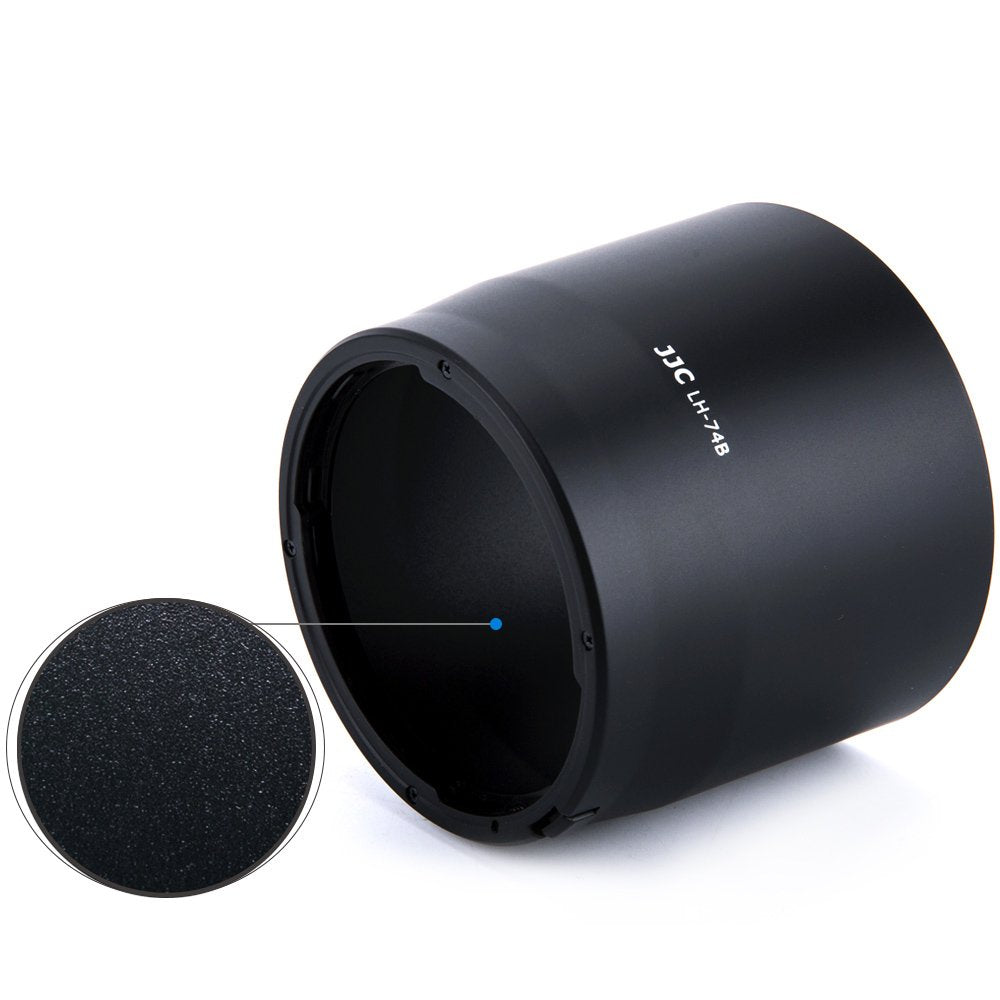
A lens hood may improve image quality in high-contrast light, but it does not make the lens sharper. Its effect is mainly related to stray light.
When bright light enters from outside the frame, it can bounce inside the lens. This may create flare, haze, ghost images, or lower contrast. A hood blocks some of that light. The improvement is most likely when the light source is close to the edge of the frame.
The hood will have little effect in flat light or when the sun is directly in the frame. It also cannot correct motion blur, missed focus, atmospheric haze, or poor exposure.
A useful test is to take two photos from the same position: one with the hood attached and one without it. Keep the camera settings, focal length, and composition the same. Compare dark areas, contrast, and bright edges at the same display size.
When a hood is especially useful
The JJC hood can be helpful for:
- Wildlife photography at sunrise or sunset
- Sports photography beside a bright field light
- Travel photos near glass or polished surfaces
- Beach and desert photography
- Hiking in changing weather
- Outdoor portraits with strong side light
A hood is less useful when the camera is inside a studio with controlled lighting or when the front of the lens already has a large obstruction near it.

Protection Limits and Safe Use
The word “protector” can be misleading. A lens hood offers limited protection, but it is not impact armor.
The hood may help prevent a light brush against a branch, wall, or soft surface. It may also keep some drops or dust away from the front element. It will not reliably protect the lens from a fall, hard impact, crushing force, or water entering from the sides.
For stronger protection:
- Use the front lens cap when the lens is not in use.
- Carry the lens in a padded camera bag.
- Use a rain cover in heavy rain.
- Keep a microfiber cloth and blower in your kit.
- Avoid touching the front element with dry fabric or clothing.
- Inspect the hood after any impact.
Do not use a damaged hood if it is bent, cracked, or difficult to remove. A deformed hood can interfere with the lens, block part of the frame, or become stuck.
A protective filter is a separate accessory. It may help shield the front element from scratches, but it can also add another glass surface that may create reflections or flare. Use one only when its benefits suit your shooting conditions.

Common Problems and Fixes
Most hood problems come from incorrect compatibility, poor alignment, or damage.
The hood will not attach
Check the following:
- Confirm that the hood is made for the Canon RF 100-400mm F5.6-8 IS USM.
- Remove the lens cap.
- Align the mounting marks.
- Check for dirt or sand in the bayonet area.
- Make sure the locking tabs are not damaged.
Never twist hard to make a mismatched hood fit.
The hood feels loose
A loose hood may have worn or damaged locking tabs. Remove it and inspect the mount. If the hood still wobbles after correct installation, replace it. A loose hood can fall off or shift into the edge of the frame.
The hood appears in photos
This usually indicates incorrect installation, a damaged hood, or the use of a hood made for another lens. Check the hood at the widest focal length and the closest focusing distance. If any part appears in the image, stop using it until the problem is corrected.
The hood is hard to remove
Do not use pliers or other tools. Hold the lens firmly, press the release area if the design includes one, and turn the hood gently in the release direction. If sand or grit is present, stop and clean the area carefully. Force can damage the lens barrel or hood mount.
The hood causes handling problems
A hood can add length to the lens and may catch on a bag or strap. Reverse it for storage if the design allows. If it blocks a control or prevents safe camera handling, remove it rather than operating the camera awkwardly.

Buying Checklist for U.S. Photographers
Before buying the JJC lens hood, review the product page and packaging for these details:
- Exact compatibility with the Canon RF 100-400mm F5.6-8 IS USM
- JJC model number shown by the seller
- Bayonet attachment rather than a generic clamp
- Front cap compatibility
- Reversible storage design, if desired
- Return policy for incorrect fit
- Seller location and delivery terms in the United States
- Evidence of a clean, undamaged locking mount
Product names can vary between U.S. retailers. Some listings may use terms such as “lens shade,” “lens hood,” “sun shade,” or “protector.” These terms usually describe the same type of accessory, but the exact model number matters more than the title.
Also check whether the listing is for the hood alone. A product photo may show a lens cap, camera, or filter that is not included.
Who should buy it?
The JJC hood is a reasonable option for a Canon RF 100-400mm owner who:
- Lost the original hood
- Needs a low-cost spare
- Shoots outside often
- Wants extra side-light control
- Needs a basic buffer around the front element
The Canon-branded hood may be preferable when exact factory fit, brand consistency, or direct manufacturer support is the priority.

Key Takeaways
- The JJC dedicated hood is intended for the Canon RF 100-400mm F5.6-8 IS USM.
- It is not interchangeable with hoods for the Canon EF 100-400mm, RF 100-500mm, or other telephoto lenses.
- Its main function is to reduce off-axis light and provide limited front-end protection.
- Install it gently by aligning the mounting marks and locking it into place.
- A hood cannot replace a lens cap, padded case, rain cover, or careful handling.
- Check the model number and return policy before buying from a U.S. retailer.
Frequently Asked Questions
Is the JJC lens hood compatible with the Canon RF 100-400mm?
It should be compatible when the listing specifically names the Canon RF 100-400mm F5.6-8 IS USM. Confirm the model number before ordering, because Canon has several 100-400mm and 100-500mm lenses with different hood mounts.
Is a lens hood better than a UV filter?
They serve different purposes. A hood blocks some stray light and creates a physical buffer. A UV or clear filter adds a layer of glass over the front element. Neither accessory is automatically better for every situation.
Can I use the original Canon lens cap with the JJC hood?
Many replacement hoods are designed to work with the original lens cap, but fit can vary by JJC model. Check the product description or return policy before purchase.
Can I leave the hood on while using a tripod?
Yes, provided the hood does not interfere with the tripod plate, camera controls, or balance. Check the setup before shooting, especially with a long telephoto lens pointed downward.
Will the hood block the built-in flash?
The Canon RF 100-400mm is a long lens, and a hood may create a shadow with some built-in or small flash setups. Test the camera and flash combination at the focal lengths you plan to use.
Conclusion
The JJC Dedicated Lens Hood Shade Protector for the Canon RF 100-400mm is a simple accessory with a clear purpose. It can reduce some stray light, help preserve contrast in difficult lighting, and provide limited protection around the front of the lens.
The most important step is confirming exact compatibility with the Canon RF 100-400mm F5.6-8 IS USM. If the hood fits securely, does not appear in the frame, and leaves the lens controls free, it can be a useful low-cost replacement or backup for U.S. photographers.

