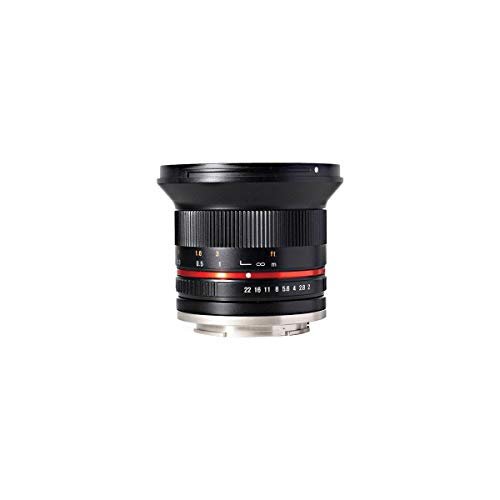
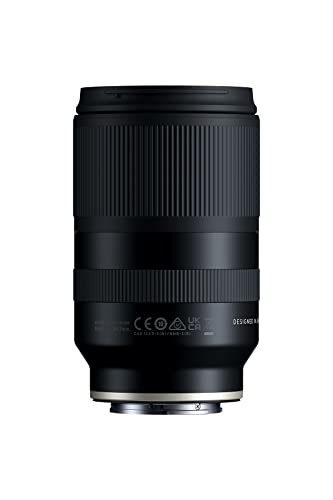
The Canon RF24-70mm f/2.8L IS USM is the best all-around lens for Canon EOS R cameras.
You know the problem: one lens feels too wide, another feels too tight, and changing lenses can make you miss the shot. A good all-around lens solves that gap. It should handle travel, family photos, portraits, street scenes, food, events, and video with ease. I reviewed five Canon lenses for different camera systems, budgets, and shooting needs. My top pick is the RF24-70mm f/2.8L, but the best choice depends on whether you use a Canon DSLR or an EOS R mirrorless camera.
See the differences between my top picks at a glance.
Canon EF 50mm f/1.8 STM Lens

The Canon EF 50mm f/1.8 STM is one of the simplest and most useful Canon DSLR lenses. Its 50mm focal length gives a natural view on a full-frame camera. It also works well as a short portrait lens. On an APS-C Canon DSLR, the view becomes tighter, similar to an 80mm lens, which makes it useful for headshots.
The bright f/1.8 aperture lets in much more light than a basic kit zoom. That helps in dim rooms and creates a soft background behind your subject. The STM focus motor also gives quiet, smooth focus for still photos and basic video work. I see this lens as a smart first upgrade for Canon DSLR owners who want better image quality without a high price.
Pros:
- Bright f/1.8 aperture for low-light photos
- Soft background blur for portraits
- Small and light design for daily carry
- Quiet STM focus motor
- Works on full-frame and APS-C Canon DSLR cameras
- Useful 50mm view for people, food, and street photos
Cons:
- Fixed focal length does not zoom
- Not the best choice for wide landscapes or large groups
- Build feels less rugged than Canon L-series lenses
What Amazon Buyers Are Saying
Buyer feedback commonly praises this lens for its low cost, sharp results, small size, and strong low-light performance. Many users buy it as their first prime lens after using a kit zoom. Reviews often note that portraits look more polished because the wide aperture can separate the subject from the background.
Some buyers mention that autofocus can feel less instant than on more costly Canon lenses. Others point out that the fixed view takes practice because the photographer must move closer or farther away. These are normal limits of a compact 50mm prime, not signs of a poor design. Always check the current Amazon listing for the latest buyer feedback and compatibility details.
My Recommendation
I recommend the EF 50mm f/1.8 STM to Canon DSLR users who want one affordable lens for portraits, family photos, and daily shooting. It is not a true zoom, but its image quality and bright aperture make it far more flexible than the price suggests. It is also a strong choice for beginners who want to learn composition. I rate it 4.6 out of 5.
Canon EF 75-300mm f/4-5.6 III Lens

The Canon EF 75-300mm f/4-5.6 III is a budget telephoto zoom for Canon SLR cameras. It covers subjects that sit far away, such as children at a sports field, birds in a yard, or performers on a stage. The long end reaches 300mm, so it can bring distant subjects much closer in the frame. The renewed version can appeal to buyers who want more reach without paying for a new professional lens.
This lens does not try to be a fast indoor lens. Its variable f/4-5.6 aperture works best in good daylight. Since this model does not include optical image stabilization, I suggest using a faster shutter speed or a tripod at the 300mm setting. It is not the best all-around lens for every Canon owner, but it fills a clear role for DSLR users who need affordable reach.
Pros:
- Useful 75-300mm telephoto range
- Good reach for outdoor sports and nature
- Lightweight compared with larger telephoto lenses
- Simple controls for new photographers
- Compatible with Canon EF-mount DSLR cameras
- Often costs less than advanced telephoto zooms
Cons:
- No built-in image stabilization
- Slow maximum aperture at the long end
- Less suitable for dark rooms and evening sports
- Renewed condition may vary by seller and stock
What Amazon Buyers Are Saying
Common buyer comments focus on the useful zoom range and the low entry price. Many owners like the way the lens frames distant subjects at outdoor events. Some buyers also say it gives them a practical way to try wildlife or sports photography before investing in a more advanced lens.
The most common concerns relate to low-light use, softness at the longest focal lengths, and the lack of stabilization. Results depend greatly on light, shutter speed, camera settings, and technique. Because this is a renewed product, buyers should review the seller information, warranty terms, and return policy before ordering.
My Recommendation
I recommend this lens for Canon DSLR owners who mainly shoot outdoors and need reach on a budget. I would not choose it as my only lens for travel, indoor family photos, or general daily work. It works best as a second lens beside a standard zoom or 50mm prime. My rating is 3.7 out of 5.
| Category | Rating |
|---|---|
| Telephoto reach | 4.4/5 |
| Outdoor use | 4.1/5 |
| Low-light performance | 2.8/5 |
| Value | 4.0/5 |
| Overall Rating | 3.7/5 |
Canon RF24-70mm f/2.8L IS USM Lens

The Canon RF24-70mm f/2.8L IS USM is the strongest all-purpose option in this comparison for Canon EOS R mirrorless cameras. Its 24-70mm range covers wide views, normal views, and short telephoto portraits. That makes it useful for travel, weddings, family events, landscapes, food, and everyday photography. The constant f/2.8 aperture stays bright across the zoom range.
Canon’s L-series design targets demanding users who need strong optical quality and a durable build. The lens also includes image stabilization, which can help reduce camera shake when you shoot still subjects at slower shutter speeds. Its fast aperture helps freeze movement and create background blur. If you want the best all around lens for Canon RF cameras and can accept a higher price and larger size, this is my top choice.
Pros:
- Highly useful 24-70mm standard zoom range
- Constant f/2.8 aperture through the range
- Optical image stabilization for steadier handheld shots
- Strong choice for portraits, travel, events, and video
- Fast USM autofocus for responsive shooting
- Professional L-series construction
- Works directly with Canon EOS R-series cameras
Cons:
- Higher price than entry-level Canon lenses
- Larger and heavier than a small prime lens
- Not compatible with Canon EF DSLR cameras without a different lens system and adapter
What Amazon Buyers Are Saying
Buyer feedback often highlights sharp images, useful coverage, fast focus, and the value of having one lens for many jobs. Owners commonly use it for weddings, travel, portraits, and family events. Many buyers also appreciate the constant f/2.8 aperture because it gives similar exposure control at both ends of the zoom.
Common complaints focus on weight, cost, and the size of the lens. Those concerns make sense for a professional standard zoom with stabilization and a bright aperture. Buyers with smaller bodies may also need time to balance the setup. For the most accurate current details, check the live listing and recent reviews before purchase.
My Recommendation
I recommend the RF24-70mm f/2.8L IS USM as the best all around lens for Canon EOS R cameras. It offers the best balance of range, speed, stabilization, focus, and image quality in this group. It is worth the investment for serious enthusiasts, working photographers, and travelers who want one main lens. I rate it 4.8 out of 5.
| Category | Rating |
|---|---|
| Image quality | 4.9/5 |
| Zoom versatility | 4.9/5 |
| Low-light use | 4.8/5 |
| Stabilization and focus | 4.8/5 |
| Overall Rating | 4.8/5 |
Canon RF75-300mm f/4-5.6 Lens

The Canon RF75-300mm f/4-5.6 is made for EOS R mirrorless users who need a long view. It helps frame wildlife, outdoor sports, birds, distant landmarks, and stage performances. The 75-300mm range gives far more reach than a standard 24-70mm lens. It uses the native RF mount, so it connects directly to compatible Canon EOS R cameras.
This lens is most useful in daylight, where the f/4-5.6 aperture suits outdoor work. At 300mm, small movements become more visible, so good technique matters. I suggest using a fast shutter speed and steady support when needed. It is a specialist lens rather than the best all around lens for Canon, but it can be an excellent second lens for outdoor photographers.
Pros:
- Long 75-300mm range for distant subjects
- Native RF mount for Canon EOS R cameras
- Useful for wildlife and outdoor sports
- Simple zoom operation for beginners
- More reach than standard kit lenses
- Good fit for daylight photography
Cons:
- Not designed for wide scenes or indoor rooms
- Variable f/4-5.6 aperture limits low-light use
- Telephoto technique is needed at 300mm
- May need another lens for general photography
What Amazon Buyers Are Saying
Feedback for this type of lens usually centers on reach, ease of use, and outdoor value. Buyers who move from a short kit lens often like the ability to fill the frame with distant subjects. The long range can also help new wildlife photographers explore telephoto work without starting with a very complex lens.
Users may also point out that a long zoom cannot replace a bright standard lens. Low light, moving subjects, and camera shake can reduce results if settings are not adjusted. I recommend reading the current listing carefully for the latest mount details and buyer experiences before ordering.
My Recommendation
I recommend the RF75-300mm for EOS R owners who already have a standard lens and want affordable telephoto reach. It is a practical choice for parks, fields, travel outdoors, and family sports. I would not use it as my only lens because it starts at 75mm and cannot cover wide or normal scenes. My rating is 3.8 out of 5.
| Category | Rating |
|---|---|
| Telephoto reach | 4.5/5 |
| Outdoor performance | 4.1/5 |
| Handling | 3.9/5 |
| Everyday flexibility | 3.0/5 |
| Overall Rating | 3.8/5 |
Canon RF28-70mm f/2.8 IS STM Lens

The Canon RF28-70mm f/2.8 IS STM is a strong daily lens for Canon EOS R mirrorless cameras. Its 28-70mm range covers many common scenes, from casual portraits to travel views and food photos. The constant f/2.8 aperture gives it a clear advantage over many basic kit lenses. It also offers image stabilization, which helps when you shoot handheld with still subjects.
The lens uses an STM focus motor, so it suits quiet photo and video work. Its 28mm wide end is not as broad as 24mm, but it still handles many normal travel and family scenes. The macro labeling can also help with closer subjects, though buyers should review the exact close-focus limits in the current Canon specifications. For many EOS R users, this lens offers a useful mix of speed, size, and cost.
Pros:
- Constant f/2.8 aperture across the zoom range
- Useful 28-70mm everyday focal range
- Image stabilization for steadier handheld photos
- STM focus for smooth, quiet operation
- Good choice for travel, food, portraits, and family photos
- Native RF mount for Canon EOS R cameras
Cons:
- 28mm is less wide than a 24mm standard zoom
- Not compatible with Canon EF DSLR cameras as a native lens
- May not offer the same professional build as an L-series lens
What Amazon Buyers Are Saying
Buyer interest in this lens usually comes from its constant f/2.8 aperture, stabilization, and practical focal range. Users who want one lens for daily work often value the balance between a bright aperture and a manageable zoom range. STM focus also appeals to people who take both still images and video.
Some buyers may prefer a 24mm wide end for landscapes or small rooms. Others may compare its body and optical features with Canon L-series options. Those differences explain why this lens can be a better value for some users while the RF24-70mm f/2.8L remains the higher-end choice. Check current reviews for updated comments on size, focus, and close-up use.
My Recommendation
I recommend the RF28-70mm f/2.8 IS STM for EOS R users who want a bright, useful daily zoom without moving straight to the largest professional option. It is a strong travel and family lens, and it can serve as a main lens for many hobby photographers. I rate it 4.5 out of 5.
| Category | Rating |
|---|---|
| Daily versatility | 4.6/5 |
| Aperture | 4.7/5 |
| Stabilization | 4.5/5 |
| Video usability | 4.4/5 |
| Overall Rating | 4.5/5 |
How to Choose Best All Around Lens for Canon
The best all around lens for Canon depends first on your camera mount. Canon EF lenses fit Canon DSLR cameras. Canon RF lenses fit Canon EOS R mirrorless cameras. A lens may look similar to another model but still use a different mount. Check your camera name and mount before you order.
1. Match the Lens Mount to Your Camera
Start with the mount. Canon DSLR cameras such as many EOS Rebel, EOS 6D, EOS 5D, and EOS 90D models use the EF or EF-S system. The Canon EF 50mm and EF 75-300mm lenses in this guide target Canon SLR cameras.
Canon EOS R cameras use the RF mount. The RF24-70mm, RF75-300mm, and RF28-70mm lenses fit that system. Some EF lenses can work on EOS R cameras with the proper Canon adapter, but an adapter adds length and cost. For the cleanest setup, choose a native lens made for your camera mount.
2. Choose the Right Focal Range for Your Main Subjects
A standard zoom is usually the most flexible choice for daily work. A range near 24-70mm can cover wide scenes, people, food, travel, and short portraits. That is why the RF24-70mm f/2.8L stands out as the best all around lens for Canon EOS R cameras.
A 50mm prime lens gives a natural view and often a bright aperture. It can create better background blur, but it cannot zoom. A 75-300mm lens serves a different purpose. It helps with distant subjects but does not work well in small rooms or for wide landscapes.
Think about your real routine. If you photograph birthdays, vacations, and family life, choose a standard zoom or 50mm lens. If you visit sports fields or nature parks, a telephoto zoom may add more value. The right focal range matters more than a long list of features.
3. Compare Aperture, Stabilization, Size, and Value
A wide aperture uses a smaller f-number. An f/2.8 lens lets in more light than an f/5.6 lens. It can also create more background blur. This helps with portraits, indoor scenes, and evening photos. A bright aperture often increases the price and weight, so decide if you will use it often.
Image stabilization helps reduce blur from camera movement. It does not freeze a person who moves quickly, but it can help with still subjects in low light. This feature matters more at longer focal lengths and when you shoot handheld.
Size also affects how often you carry the lens. A professional 24-70mm f/2.8 lens can deliver excellent results, but it may feel heavy after a full day. A small 50mm prime can be easier to carry. The best all around lens for Canon is the one that fits your camera, your subjects, and your willingness to carry it.
Final Verdict: Which Should You Buy?
For Canon EOS R users, the RF24-70mm f/2.8L IS USM is the best all around lens for Canon in this guide. It gives the strongest mix of range, speed, stabilization, and image quality.
For Canon DSLR users, choose the EF 50mm f/1.8 STM for low-cost daily shooting and portraits. Match the mount first, then choose the lens that fits your subjects and budget.
FAQs Of best all around lens for canon
What is the best all around lens for Canon EOS R cameras?
The Canon RF24-70mm f/2.8L IS USM is the best overall choice for many EOS R users. It combines a useful zoom range, constant f/2.8 aperture, stabilization, and fast autofocus.
What is the best all around lens for Canon DSLR cameras?
The Canon EF 50mm f/1.8 STM is a strong affordable choice for Canon DSLR cameras. It works well for portraits, family photos, food, and everyday shooting.
Can Canon RF lenses fit Canon DSLR cameras?
No. Canon RF lenses are made for EOS R mirrorless cameras and do not directly fit Canon EF DSLR bodies. Always check the mount before buying.
Is a 50mm lens good for everyday photography?
Yes. A 50mm lens gives a natural view and works well for people, street scenes, food, and daily photos. It does not zoom, so you must move to change the framing.
Is a 75-300mm lens suitable for indoor photography?
Usually not. Its long focal range and slower aperture work better outdoors in good light. It is more suitable for sports, wildlife, and distant subjects.