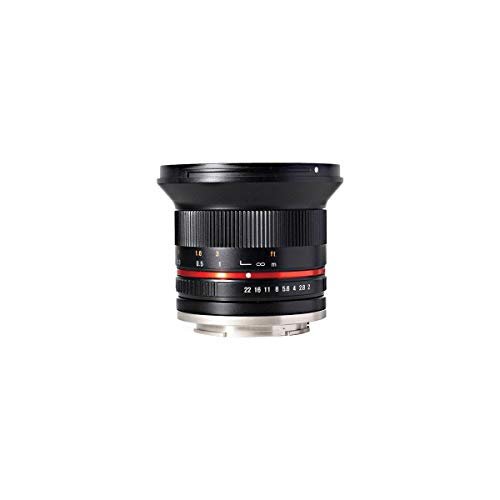
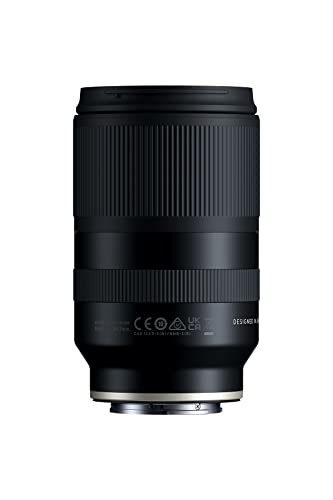
For most Canon users, the RF 14mm f/1.4L VCM is the best astrophotography lens for Canon.
You arrive at a dark-sky site, set up your tripod, and find that your current lens makes the stars look dim or stretched. A good Canon astrophotography lens solves that problem with a wide view, a bright aperture, and strong edge control. I reviewed five very different options, from fast RF wide-angle primes to budget EF lenses and long telephoto models. Some are made for Milky Way landscapes, while others suit the moon, star clusters, or basic night-sky practice. The right choice depends on your Canon mount, camera sensor, budget, and target.
See the differences between my top picks at a glance.
| Lens | Mount | Best Use | Max Aperture | Main Strength | Buy |
|---|---|---|---|---|---|
| Canon RF 14mm f/1.4L VCM | RF | Milky Way landscapes | f/1.4 | Very wide, very bright view | View on Amazon |
| Canon RF 20mm f/1.4L VCM | RF | Sky and foreground balance | f/1.4 | Bright L-series prime | View on Amazon |
| Canon RF 100-400mm | RF | Moon and distant targets | f/5.6-8 | Reach and low weight | View on Amazon |
| Canon EF 50mm f/1.8 STM | EF | Budget night photography | f/1.8 | Low cost and bright aperture | View on Amazon |
| 500mm/1000mm Manual Telephoto | EF-compatible | Moon and bright objects | f/8 | Extreme reach at a low price | View on Amazon |
Canon RF 14mm f/1.4L VCM Lens

The Canon RF 14mm f/1.4L VCM is built for photographers who want a huge view of the sky. Its 14mm focal length can include a large Milky Way arch, a mountain ridge, or a foreground subject without forcing you to step far back. The f/1.4 aperture also lets in much more light than a slower kit zoom. That matters when you want lower ISO settings, shorter shutter times, or brighter preview images.
This lens uses the RF mount, so it fits Canon EOS R-series mirrorless cameras without an adapter. The L-series design targets demanding users who care about sharpness, contrast, and build quality. The VCM focus motor also makes the lens useful for video, although astrophotographers will often focus manually at night. At 14mm, small errors in focus may look less obvious, but I still recommend using live view and a bright star to set exact focus.
Pros:
- Very wide view for Milky Way and night landscapes
- Bright f/1.4 aperture helps gather more light
- Native RF fit for Canon EOS R-series cameras
- L-series construction suits serious outdoor use
- Useful for both still images and video
- Good choice for including large foreground scenes
Cons:
- Premium pricing may not suit beginners
- Ultra-wide lenses can show stretched corners
- Large front elements may limit filter choices
What Amazon Buyers Are Saying
Buyer feedback for a premium lens like this commonly centers on the wide field of view, bright aperture, and overall Canon build quality. Users who shoot landscapes and video tend to value the native RF design and the flexible 14mm perspective. Some buyers may find the price, size, or need for careful corner composition less appealing. As with any new or specialized listing, I suggest checking the latest customer reviews for current comments about shipping, packaging, autofocus, and sample variation before ordering.
My Recommendation
I recommend this lens for full-frame Canon RF users who place Milky Way work first. It offers the key traits I look for in the best astrophotography lens for Canon: a wide angle, a fast aperture, and a direct fit. It is less attractive if you mainly photograph the moon or use an older DSLR. For serious RF landscape work, the high cost can make sense.
| Category | Rating |
|---|---|
| Astrophotography light gathering | 5/5 |
| Wide-sky composition | 5/5 |
| Build and mount fit | 4.5/5 |
| Value for money | 4/5 |
| Overall Rating | 4.7/5 |
Canon RF 20mm f/1.4L VCM Lens
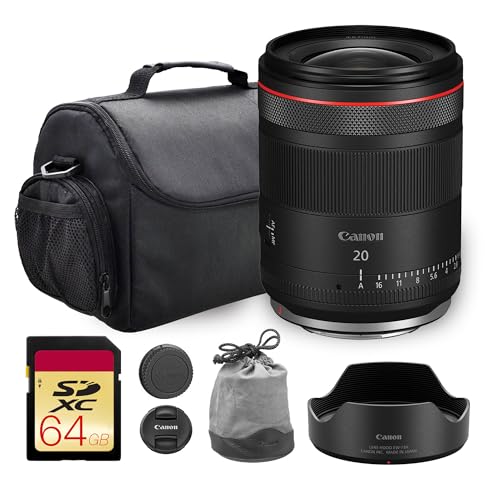
The Canon RF 20mm f/1.4L VCM gives you a slightly tighter view than the 14mm model. That difference can help when you want the sky to remain important but do not need an extremely wide frame. A 20mm lens can make a foreground tree, cabin, or rock look more prominent. Its f/1.4 maximum aperture remains a major benefit for night work.
This L-series RF prime also works well for architecture, travel, and video. The wider-than-normal view supports star trails and large sky scenes, while the bright aperture helps in dim light. On a full-frame EOS R camera, it offers a useful balance between sky coverage and subject size. On an APS-C Canon RF body, the crop factor gives a narrower view, so check your camera format before you buy.
Pros:
- Bright f/1.4 aperture for low-light scenes
- 20mm view balances sky detail and foreground size
- Native RF compatibility for Canon mirrorless cameras
- L-series position suggests a high level of optical design
- Useful beyond astrophotography
- Good focal length for star trails and night travel photos
Cons:
- Not as wide as a 14mm lens for giant sky panoramas
- Premium price can be difficult for new photographers
- Full-frame results may differ from APS-C framing
What Amazon Buyers Are Saying
Amazon shoppers who choose a lens in this class often praise the bright aperture, sharp prime-lens look, and broad range of uses. The most useful comments usually come from buyers who share their camera body and shooting conditions. Potential concerns include the premium cost, the physical size, and the narrower view compared with an ultra-wide lens. I recommend reading recent verified reviews and looking for night-sky sample images before making a final decision.
My Recommendation
This is a strong alternative to the 14mm lens for photographers who want a more natural wide-angle look. I would choose it for mixed use, since it can handle astrophotography, landscapes, architecture, and video. It may be the better fit when a 14mm frame feels too loose. It earns a high score, but its premium cost keeps it from being the best value pick.
| Category | Rating |
|---|---|
| Astrophotography light gathering | 5/5 |
| Sky and foreground balance | 4.7/5 |
| Build and mount fit | 4.5/5 |
| Value for money | 4/5 |
| Overall Rating | 4.6/5 |
Canon RF 100-400mm Lens

The Canon RF 100-400mm f/5.6-8 IS USM serves a different purpose from the fast wide primes above. It does not aim to capture a broad Milky Way scene. Instead, it gives Canon RF users long reach for the moon, bright planets, star clusters, and distant landscape details. The zoom range makes it easier to frame a target without changing lenses in the dark.
Its maximum aperture is much slower than f/1.4 or f/1.8, so it needs more light, a longer exposure, or a higher ISO. That limitation matters for faint deep-sky targets. The built-in image stabilization can help with some handheld work, but stabilization does not freeze stars during a long exposure. For the sharpest moon images, I would use a sturdy tripod, a remote release, and a fast shutter speed when conditions allow.
Pros:
- Long focal range for moon photography
- Native RF fit for Canon EOS R-series bodies
- Zoom framing helps find and follow distant targets
- More versatile than a fixed telephoto lens
- Useful for wildlife and daytime outdoor work
- Relatively practical for photographers who need one telephoto lens
Cons:
- f/5.6-8 aperture is not ideal for faint stars
- Too narrow for classic Milky Way landscapes
- Long focal lengths magnify tripod shake and tracking errors
What Amazon Buyers Are Saying
Buyers commonly look at this lens for its reach, compact design, and broad use in wildlife, travel, and moon photography. Reviews often focus on ease of handling and the value of having a 100-400mm range in one lens. Users who expect bright deep-sky performance may feel limited by the slower aperture. Before purchase, check current reviews for comments that match your camera body, tripod setup, and intended target.
My Recommendation
I recommend this lens for RF users who want moon photography more than Milky Way work. It is not my first choice for the best astrophotography lens for Canon because its aperture limits faint-sky performance. Still, it is a useful and flexible telephoto lens. Buy it when you want one lens for the moon, wildlife, and distant daytime subjects.
| Category | Rating |
|---|---|
| Moon and distant target reach | 4.7/5 |
| Low-light performance | 3/5 |
| Zoom flexibility | 4.5/5 |
| RF system value | 4.3/5 |
| Overall Rating | 4/5 |
Canon EF 50mm f/1.8 STM Lens

The Canon EF 50mm f/1.8 STM remains one of the easiest ways to start shooting the night sky on a budget. Its f/1.8 aperture gathers far more light than many basic kit lenses at similar framing. The 50mm focal length can show brighter star fields, constellations, and simple night scenes with a more focused composition. It also works well for portraits, street photos, and everyday shooting.
This lens uses the EF mount, so it fits Canon EOS DSLR cameras directly. Canon EOS R users may use it with a suitable EF-EOS R adapter, but the adapter adds length and cost. On a full-frame camera, 50mm gives a normal view rather than an ultra-wide one. On an APS-C DSLR, the field of view becomes narrower, so you may need more space or a panorama technique for large sky scenes.
Pros:
- Bright f/1.8 aperture for a low-cost lens
- Affordable entry point for night photography
- Compact and light for travel
- STM focus motor supports quiet everyday focusing
- Works for portraits and general photography too
- Compatible with many Canon EF DSLR cameras
Cons:
- 50mm is not wide enough for many Milky Way scenes
- EF users on RF cameras need an adapter
- Manual focus takes care at night
- Edge performance and coma may not match premium astro primes
What Amazon Buyers Are Saying
Amazon buyers often like this lens because it is small, simple, bright, and inexpensive. Many reviews mention its value for portraits and low-light photos, which also explains its appeal for beginners testing night photography. Some users report limits in autofocus speed, plastic construction, or sharpness at the widest aperture. For astrophotography, look for recent reviews that show real star images rather than relying only on daytime samples.
My Recommendation
This is my budget pick for Canon DSLR owners. I would not call it the best astrophotography lens for Canon in every situation, but it offers excellent learning value. It helps beginners practice focus, exposure, stacking, and star-trail work without a major investment. Choose it when price matters and you already own an EF camera.
| Category | Rating |
|---|---|
| Aperture for the price | 4.8/5 |
| Wide-sky suitability | 3.3/5 |
| Ease of use | 4.3/5 |
| Budget value | 4.8/5 |
| Overall Rating | 4.3/5 |
Manual 500mm/1000mm Telephoto Lens

This manual 500mm/1000mm telephoto lens targets photographers who want extreme reach at a low entry price. It can make the moon fill much more of the frame than a wide-angle lens. The long focal length may also help with bright targets when you use a stable tripod and careful manual focus. However, it is a specialized tool and requires more patience than an autofocus Canon lens.
The listed f/8 aperture is not fast, so this lens does not suit faint deep-sky imaging as easily as a bright prime. The 1000mm setting may rely on an included optical accessory or a similar configuration, so buyers should inspect the exact listing details before ordering. Manual focus, vibration, and narrow framing make setup important. I would treat this as a low-cost moon lens, not a complete solution for wide-field astrophotography.
Pros:
- Very long reach for lunar photography
- Manual design keeps operation simple
- Can work with many listed Canon DSLR bodies
- Useful for learning precise manual focus
- Low entry cost compared with specialized super-telephoto lenses
- Narrow view helps isolate the moon from a busy background
Cons:
- f/8 aperture limits low-light performance
- Manual focus takes time and practice
- Long focal length magnifies shake and atmospheric blur
- Not suitable for broad Milky Way landscapes
- Compatibility should be checked carefully before purchase
What Amazon Buyers Are Saying
Buyers of low-cost manual telephoto lenses often focus on reach, price, and moon images. Some appreciate the chance to experiment with a very long focal length without paying for a professional super-telephoto lens. Common concerns can include manual focusing, soft results, difficult handling, and the effect of heat or haze in the air. Because results depend heavily on technique, I recommend reading current reviews and checking buyer photos before purchase.
My Recommendation
I recommend this lens only for a specific use: basic lunar photography on a compatible Canon DSLR. It is not the best astrophotography lens for Canon if you want star fields, nebulae, or landscape images. Its low price may appeal to curious beginners, but expectations must stay realistic. A stable tripod and clear air matter as much as the lens itself.
| Category | Rating |
|---|---|
| Moon reach | 4.3/5 |
| Low-light performance | 2.7/5 |
| Ease of focusing | 2.7/5 |
| Budget value | 3.8/5 |
| Overall Rating | 3.4/5 |
How to Choose the Best Astrophotography Lens for Canon
Choosing the best astrophotography lens for Canon starts with your camera mount and your target. A lens for Milky Way landscapes needs a wide view and a bright aperture. A lens for the moon needs reach, sharp focus, and a steady support. Use the points below to match the lens to your real shooting plans.
1. Match the Lens Mount to Your Canon Camera
Canon DSLR cameras usually use the EF or EF-S system. Canon EOS R mirrorless cameras use the RF system. An EF lens can often work on an EOS R body with the correct Canon adapter, but an RF lens does not work on an EF DSLR. Check the exact camera model before ordering.
Mount choice also affects size and cost. A native RF lens gives direct communication with an EOS R camera. An adapted EF lens can still produce excellent photos, but the setup may become longer and heavier. If you already own an EF lens, an adapter may be a smart way to save money.
2. Prioritize Aperture for Stars and Focal Length for the Moon
A wide aperture, such as f/1.4 or f/1.8, lets more light reach the sensor. This helps with Milky Way photography and faint star fields. A wide focal length, such as 14mm or 20mm, also lets you use a longer shutter time before stars show obvious trails. Fast wide primes usually make the strongest choices for landscape astrophotography.
Moon photography follows a different rule. The moon is bright, so you can use a slower aperture. Long lenses from 100mm to 400mm or more make the moon larger in the frame. At very long focal lengths, use a solid tripod and check focus at high magnification. Atmospheric haze may soften the image even when the lens is sharp.
3. Check Corner Quality, Focus Control, and Total Value
Astrophotography reveals lens problems that daytime scenes may hide. Look for reviews with star samples near the corners. Coma can make stars look like small wings or smears. Distortion can bend the horizon or stretch foreground objects. A lens that stays clean near the edges saves time in editing.
Manual focus control also matters. Autofocus often struggles in a dark sky, so use live view and focus on a bright star. A focus ring with smooth, precise movement helps. Finally, include the cost of a tripod, memory cards, a dew heater, and an adapter if needed. The best astrophotography lens for Canon is the one that fits your whole kit, not only your camera bag.
Final Verdict: Which Should You Buy?
For Canon RF full-frame users, I recommend the RF 14mm f/1.4L VCM as the best astrophotography lens for Canon. It combines a very wide view with a bright f/1.4 aperture. Choose the RF 20mm for a tighter composition, the EF 50mm for budget DSLR use, or the RF 100-400mm for the moon.
Always match the lens to your mount and target. A bright wide prime suits stars, while a long telephoto suits lunar work. Check current Amazon details and buyer photos before ordering.
FAQs Of best astrophotography lens for canon
What is the best Canon lens for Milky Way photography?
The Canon RF 14mm f/1.4L VCM is the strongest choice in this review for Milky Way landscapes. Its wide view and bright aperture suit large sky scenes.
Can I use an EF lens on a Canon EOS R camera?
Yes. You generally need a compatible EF-EOS R mount adapter. Check the adapter and camera model before purchase.
Is a 50mm lens good for astrophotography?
Yes, a 50mm lens can capture constellations, star fields, and night scenes. It shows less sky than a 14mm or 20mm lens, so composition needs more space.
What Canon lens is best for moon photography?
A telephoto lens such as the Canon RF 100-400mm can frame the moon much larger than a wide lens. A stable tripod and accurate focus remain important.
Is f/1.4 better than f/8 for stars?
For faint stars and Milky Way scenes, f/1.4 is usually better because it gathers much more light. An f/8 lens can still work for the bright moon.