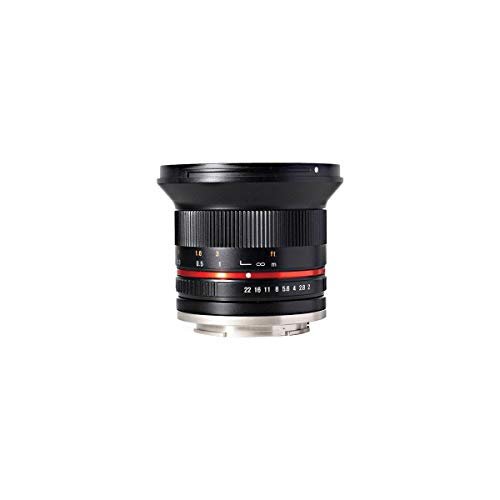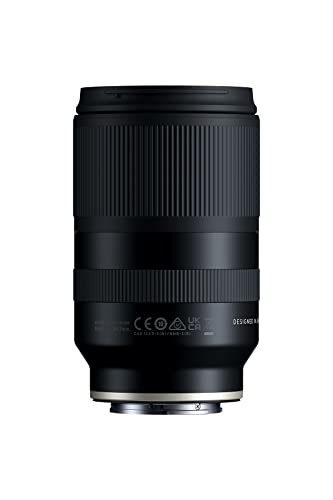

The Canon RF50mm F1.8 STM is my best buy Canon lens for most everyday mirrorless photographers.
Buying a Canon lens can feel hard when you must choose between DSLR and mirrorless mounts, fixed focal lengths, and long zoom ranges. I compared five popular Canon options for portraits, travel, wildlife, sports, and daily photos. These lenses solve common needs at different prices. My guide focuses on fit, image use, focus type, low-light work, portability, and real-world value so you can pick with confidence.
See the differences between my top picks at a glance.
Canon EF 50mm f/1.8 STM Lens

The Canon EF 50mm f/1.8 STM is one of the easiest lenses to recommend for a Canon DSLR. Its 50mm view feels natural on a full-frame camera. It also gives a useful short-telephoto view on many APS-C Canon cameras. The f/1.8 aperture lets in much more light than a basic kit zoom.
I like this lens for portraits, family photos, food shots, and indoor work. Its STM focus motor feels smoother and quieter than older versions of this lens. The seven-blade aperture can create a soft background when you place your subject at a good distance. The lens also offers a close focus distance of about 13.78 inches, which helps with detail shots.
Pros:
- Bright f/1.8 aperture for indoor and evening photos
- Natural 50mm view on full-frame Canon DSLR cameras
- Useful portrait view on APS-C DSLR bodies
- Smooth and quiet STM focus motor
- Compact design that feels easy to carry
- Strong value for new DSLR photographers
Cons:
- Designed for Canon EF DSLR cameras, not native RF bodies
- No built-in image stabilization
- Prime design cannot zoom in or out
What Amazon Buyers Are Saying
Amazon buyers commonly praise this lens for its low price, sharp results, and clear improvement over a basic kit lens. Many users like the bright aperture for portraits and indoor family photos. Buyers also often mention the small size and light weight.
Common concerns center on the lack of zoom and the need to move closer or farther from a subject. Some users also expect instant focus in very dark scenes and find that the lens needs enough light and contrast to focus well. Check the mount before buying, since this EF model suits Canon DSLR cameras.
My Recommendation
I recommend this lens to Canon DSLR owners who want a low-cost step up from a kit lens. It is especially useful for portraits and low-light daily photos. It is not the right choice for a Canon RF mirrorless body unless you use a suitable EF-to-RF adapter.
Canon EF 75-300mm f/4-5.6 III

The Canon EF 75-300mm f/4-5.6 III gives DSLR users a long zoom range at a budget price. It can frame distant subjects that look small with a standard lens. The range works for outdoor portraits, school events, casual sports, and large animals in good light. This particular listing is sold as a renewed product, so condition and included items deserve close attention before checkout.
At 75mm, the lens works for tighter portraits and general outdoor scenes. At 300mm, it offers much more reach for subjects across a field or park. The trade-off is its modest f/4-5.6 aperture and older DC autofocus design. It also lacks image stabilization, so I suggest using a fast shutter speed and steady camera support at the long end.
Pros:
- Long 75-300mm focal range
- Useful reach for outdoor subjects
- Fits Canon EF DSLR cameras
- Helpful for buyers on a tight budget
- Simple zoom design for beginners
- Can create subject separation at longer focal lengths
Cons:
- No image stabilization
- Slower aperture limits low-light use
- Older DC focus motor may feel less refined
- Renewed condition can vary by seller and unit
What Amazon Buyers Are Saying
Amazon buyers often like the amount of reach this lens provides for the money. Many users buy it as a first telephoto lens for parks, outdoor events, travel, and family sports. Buyers commonly view it as a simple way to learn how long lenses change composition.
The main complaints usually involve slow focus, softness at the longest setting, and poor results in dim light. These points match the lens design and its lack of stabilization. Buyers who use it in bright daylight tend to get more useful results than those who expect modern pro-level autofocus.
My Recommendation
This lens is worth considering if you own an EF Canon DSLR and need inexpensive telephoto reach. I would not choose it for fast action, dark venues, or demanding wildlife work. Confirm the renewed warranty, return terms, and product condition before buying.
Canon RF100-400mm F5.6-8 IS USM

The Canon RF100-400mm F5.6-8 IS USM is the strongest telephoto option in this comparison for Canon RF mirrorless cameras. Its 100-400mm range covers distant wildlife, birds, field sports, aircraft, and outdoor details. The lens uses Canon’s RF mount, so it connects directly to EOS R-series mirrorless cameras. It does not fit Canon EF DSLR cameras.
This lens combines a long reach with optical image stabilization and a modern Nano USM focus motor. Stabilization helps reduce camera shake when you shoot still subjects or work at slower shutter speeds. The f/8 maximum aperture at 400mm is not bright, so I would use good light, a higher ISO, or a fast shutter for moving subjects. Its wider 100mm end also makes it more flexible than a lens that starts at 300mm.
Pros:
- Wide 100-400mm telephoto range
- Native RF mount for Canon EOS R cameras
- Built-in image stabilization
- Nano USM autofocus suits stills and video use
- Strong choice for wildlife and outdoor action
- 400mm reach helps fill the frame from a distance
Cons:
- Not compatible with Canon EF DSLR cameras
- F/8 at the long end needs good light
- Long focal lengths require careful technique
- Less suitable for dark indoor sports
What Amazon Buyers Are Saying
Amazon buyers commonly praise this lens for its reach, stabilization, and useful size compared with larger super-telephoto lenses. Wildlife and bird photographers often like the 400mm end for outdoor work. Users also report that the RF connection and modern autofocus make it a natural fit for EOS R-series cameras.
Common concerns include the slow maximum aperture at 400mm and the need for higher ISO in shade. Some buyers also note that long-lens technique takes practice. The lens performs best when users understand its light limits and keep shutter speed high enough for moving subjects.
My Recommendation
I recommend this lens to Canon mirrorless owners who want serious outdoor reach without moving to a much larger professional telephoto. It is the best pick here for wildlife and distant action. Choose the RF50mm instead if you need a small lens for portraits and daily use.
Canon RF50mm F1.8 STM Lens

The Canon RF50mm F1.8 STM is my favorite all-round choice in this group for EOS R-series mirrorless owners. It offers the classic 50mm field of view on a full-frame camera. Its f/1.8 aperture helps in indoor light and can produce a soft background for portraits. The lens is also small enough to leave on the camera during walks and trips.
The RF mount gives this lens a direct fit on compatible Canon mirrorless bodies. Its STM focus system supports smooth focus changes and quiet operation. Since this is a prime lens, you must move your feet to change the framing. That simple limit can also help new photographers think more carefully about composition.
Pros:
- Bright f/1.8 aperture
- Compact and light design
- Natural view for portraits and street photos
- Native RF fit for EOS R-series cameras
- Useful in indoor and evening settings
- Strong value for everyday mirrorless photography
Cons:
- No zoom flexibility
- No optical image stabilization in the lens
- Less suitable for distant wildlife or sports
- APS-C users may see a narrower effective view
What Amazon Buyers Are Saying
Amazon buyers often praise this lens for its small size, bright aperture, and clear improvement over a basic kit lens. Portrait users like the background blur and natural perspective. Travel photographers also value the low weight and simple design.
Buyers commonly note that the lens cannot replace a zoom when subjects move quickly or sit far away. Some users also want stabilization, especially on camera bodies without in-body stabilization. Overall, the feedback points to a useful everyday lens rather than a specialist action lens.
My Recommendation
This is the best buy Canon lens for most Canon RF mirrorless users who want one affordable prime. I recommend it for portraits, family photos, travel, food, and low-light scenes. It earns the highest overall balance of size, image potential, ease of use, and price in this guide.
Canon RF75-300mm F4-5.6 Lens

The Canon RF75-300mm F4-5.6 is made for EOS R-series mirrorless cameras that need more reach than a standard kit lens. Its zoom range suits outdoor portraits, casual sports, travel details, and large subjects at a distance. The RF mount provides a direct fit on compatible Canon mirrorless bodies. It gives new users a simple way to explore telephoto photography.
The lens starts at 75mm, so it can still handle tighter portraits and nearby outdoor subjects. At 300mm, it can bring distant details closer in the frame. Its f/4-5.6 aperture works best in daylight or other bright settings. For fast action or low light, you may need a faster shutter, higher ISO, or a lens with a wider aperture.
Pros:
- Useful 75-300mm zoom range
- Native RF mount for Canon mirrorless cameras
- Good reach for outdoor photography
- Simple choice for beginners learning telephoto work
- More flexible than a fixed telephoto lens
- Useful for portraits, travel, and casual sports
Cons:
- Not designed for Canon EF DSLR bodies
- Limited low-light performance at the long end
- No wide-angle view for indoor or landscape work
- Long focal lengths need steady handling
What Amazon Buyers Are Saying
Amazon buyers generally look to this lens for affordable reach on an RF camera. Users often like the ability to frame distant subjects without paying for a higher-end telephoto. The zoom range also helps beginners learn how focal length changes a photo.
Common concerns include the slower aperture and the need for bright conditions. Buyers who expect professional wildlife performance may want faster focus and stronger low-light ability. For casual outdoor use, the lens can be a practical addition to a basic mirrorless kit.
My Recommendation
I recommend this lens for Canon RF users who want a budget telephoto for daytime use. It makes sense for travel, parks, family events, and occasional sports. Choose the RF100-400mm if you need more reach, stabilization, and a stronger option for wildlife.
How to Choose the Best Buy Canon Lens
The best buy Canon lens depends on your camera mount and the subjects you photograph. Start with compatibility. Then match the focal length, aperture, focus system, and stabilization to your real needs. A low price does not help if the lens does not fit your camera or cannot handle your usual light.
1. Match the Lens Mount to Your Canon Camera
Canon EF lenses are made for Canon DSLR cameras. Canon RF lenses are made for EOS R-series mirrorless cameras. This difference matters more than brand name or focal length. An EF lens does not mount directly to an RF camera without an adapter, while an RF lens does not fit a Canon EF DSLR.
Check the camera model before you order. If you own an EOS Rebel, EOS 5D, EOS 6D, or another Canon DSLR, look for EF compatibility. If you own an EOS R, RP, R7, R8, R10, R50, or another R-series body, look for RF compatibility. A correct mount gives you the safest and simplest setup.
2. Choose Focal Length for Your Main Subjects
A 50mm lens is a strong choice for portraits, family photos, travel, food, and daily use. It gives a natural view and works well when you can move around your subject. The f/1.8 models in this guide also help when indoor light is weak.
A 75-300mm or 100-400mm lens serves a different purpose. These lenses help you photograph wildlife, outdoor sports, distant people, and details across a wide space. The RF100-400mm gives the most reach here, while the 75-300mm models cost less and suit casual daylight use.
Remember that sensor size changes the view. An APS-C camera shows a narrower view than a full-frame camera with the same lens. That can help when you want more apparent reach, but it also makes a 50mm lens feel tighter indoors.
3. Compare Aperture, Stabilization, and Overall Value
The aperture controls how much light enters the lens. A smaller f-number, such as f/1.8, helps in dim scenes and can blur the background. A telephoto lens with an f/5.6 or f/8 maximum aperture needs more light or a higher ISO. This does not make it bad, but it changes where it works best.
Image stabilization can reduce blur from hand movement. It cannot freeze a person or animal that moves quickly, but it can help with still subjects. The RF100-400mm includes stabilization, while the fixed 50mm lenses do not rely on lens stabilization.
Also check the focus motor. STM lenses suit quiet daily shooting and simple video focus changes. Nano USM gives the RF100-400mm a more advanced focus design. Older DC systems can still work, but they may feel slower and louder. Choose the feature that solves your main problem instead of paying for features you will not use.
Final Verdict: Which Should You Buy?
The Canon RF50mm F1.8 STM is my best buy Canon lens for most EOS R-series users. Choose the RF100-400mm for wildlife and distant action, or the EF 50mm f/1.8 for Canon DSLR cameras.
Match the mount first, then choose the focal length that fits your subjects. That simple step will help you get better value from your next Canon lens purchase.
FAQs Of best buy canon lens
What is the best buy Canon lens for portraits?
The Canon RF50mm F1.8 STM is an excellent portrait choice for EOS R-series cameras. DSLR owners can choose the EF 50mm f/1.8 STM.
Can I use an EF lens on a Canon RF camera?
Yes, but you need a compatible Canon EF-EOS R mount adapter. EF lenses do not attach directly to RF camera bodies.
Which Canon lens is best for wildlife?
The Canon RF100-400mm F5.6-8 IS USM is the strongest option in this guide. Its 400mm reach and stabilization suit outdoor wildlife work.
Is a 50mm Canon lens good for low light?
Yes. The f/1.8 aperture on the EF and RF 50mm lenses lets in more light than many standard kit zooms.
Is the Canon 75-300mm lens good for sports?
It can work for casual outdoor sports in bright light. It is less suitable for dark venues or fast action because of its slower aperture and basic focus design.