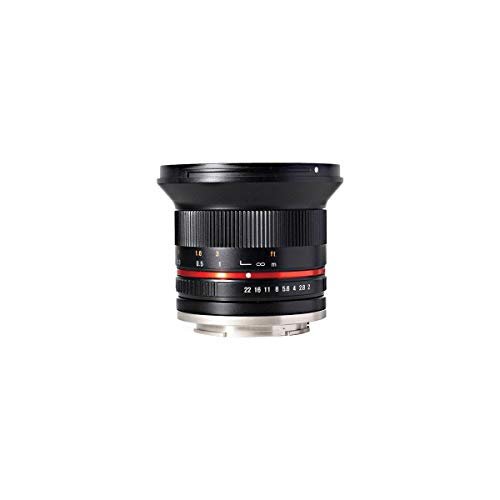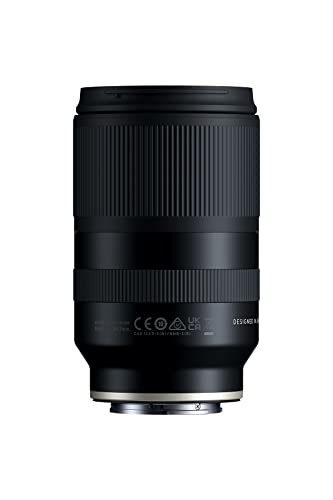

The best camera zoom lens balances reach, sharpness, handling, and value for your camera or phone.
You may want to capture a child on a distant field, a bird in your yard, or a landmark while traveling. A standard lens often cannot reach far enough. A zoom lens solves that problem without making you move closer. I tested these picks by looking at focal range, ease of use, image control, fit, value, and common buyer concerns. Some are true interchangeable-camera lenses, while others are smartphone or webcam tools. That difference matters when you choose the best camera zoom lens for your needs.
See the differences between my top picks at a glance.
Canon EF 75-300mm III Telephoto Lens

The Canon EF 75-300mm f/4-5.6 III is the most traditional camera zoom lens in this review. It gives Canon DSLR owners a long focal range for sports, pets, portraits, travel, and outdoor scenes. The 75mm end works well for tighter portraits and nearby action. The 300mm end helps fill the frame with subjects that stand far away.
This renewed model can make sense for a buyer who already owns a compatible Canon EOS DSLR. It uses Canon EF mounting, so it is made for Canon SLR cameras rather than mirrorless RF cameras. The lens does not include image stabilization, so I get the best results in bright light or with a fast shutter speed. At 300mm, careful handholding becomes important because even small movement can soften the image.
Pros:
- Useful 75-300mm telephoto range
- Good match for compatible Canon EF DSLR cameras
- Light and simple compared with larger professional telephoto lenses
- Helpful reach for sports, wildlife in good light, and outdoor events
- Renewed format can lower the entry price
- Autofocus support makes it easier for casual action shots
Cons:
- No built-in image stabilization
- Slow f/4-5.6 aperture limits low-light use
- Not compatible with Canon RF mirrorless cameras without the correct adapter
- Renewed condition may vary by seller and stock
What Amazon Buyers Are Saying
Buyer feedback for renewed lenses often centers on value, condition, and basic performance. Many shoppers look for a low-cost way to add telephoto reach to an older Canon DSLR. Positive comments tend to focus on the useful focal range and the fact that the lens can produce pleasing outdoor photos in good light. Some buyers also like its low weight.
Common concerns include soft results at the long end, slower focusing in dim scenes, and differences in cosmetic condition between renewed units. Because this is a renewed product, I suggest checking the seller rating, return policy, and exact condition notes before ordering. Review experiences can change as inventory changes.
My Recommendation
I recommend this lens for a Canon DSLR owner who wants affordable reach and shoots mostly outdoors. It is not my first choice for night sports, indoor action, or serious wildlife work. Still, it offers a simple path into telephoto photography. For the right Canon EF user, it remains a practical budget pick for the best camera zoom lens search.
| Category | Rating |
|---|---|
| Optical reach | 4.2/5 |
| Outdoor performance | 4/5 |
| Low-light ability | 2.8/5 |
| Ease of use | 4/5 |
| Value | 4/5 |
| Overall Rating | 4/5 |
Canon Rebel T7 Double-Lens Kit

The Canon EOS Rebel T7 double-lens kit gives beginners a complete DSLR setup with two useful focal ranges. The 18-55mm lens covers everyday photos, family scenes, landscapes, and travel. The 75-300mm lens adds telephoto reach for distant subjects. Together, they cover far more situations than a single basic kit lens.
The camera uses a 24.1-megapixel APS-C sensor and supports Full HD video. Built-in Wi-Fi can make photo sharing easier with compatible devices and the Canon app. The kit suits a new photographer who wants to learn exposure, focus, lens choice, and composition. It is also a better starting point than buying a telephoto lens alone if you do not already own a compatible camera body.
Pros:
- Includes both a standard zoom and a telephoto zoom
- 24.1-megapixel APS-C sensor provides useful detail
- Beginner-friendly DSLR controls
- Wi-Fi supports convenient photo transfer and sharing
- 75-300mm lens adds strong reach for outdoor subjects
- Full HD video supports basic movie recording
Cons:
- Older DSLR design is less compact than a mirrorless camera
- Autofocus and video features are basic by newer standards
- The included 75-300mm lens lacks image stabilization
- The full kit is larger than a phone or compact camera
What Amazon Buyers Are Saying
Buyers commonly choose this kit because it offers a camera body and two lenses in one package. Positive feedback often points to the simple controls, image quality in good light, and the flexibility of the two-lens setup. New users also tend to appreciate having a standard lens for daily use and a telephoto lens for distant subjects.
Some buyers mention the learning curve that comes with a DSLR. Others note that the long lens works best outdoors and in bright conditions. Feedback may also differ based on the exact bundle contents, so I recommend checking the current listing before purchase. Confirm the included battery, charger, accessories, and warranty details.
My Recommendation
This is my best overall choice for a beginner who needs both a camera and a zoom lens system. It offers more creative control than a phone and gives you two clear ways to frame a subject. It is not the newest camera platform, but the kit remains useful for learning photography. If you want the best camera zoom lens package for a first DSLR, this is the strongest option here.
| Category | Rating |
|---|---|
| Lens flexibility | 4.6/5 |
| Beginner usability | 4.5/5 |
| Image quality | 4.2/5 |
| Video features | 3.4/5 |
| System value | 4.4/5 |
| Overall Rating | 4.3/5 |
MIAO LAB 28X Phone Telephoto Lens

The MIAO LAB 28X HD telephoto lens targets phone users who want more reach without carrying a DSLR. It is designed for iPhone, Samsung, and other Android phones, though exact fit depends on the phone camera layout. The long advertised magnification can help frame distant subjects at concerts, parks, travel sites, and outdoor events. It works as an accessory placed over the phone camera rather than as a replacement for the phone camera system.
Phone telephoto accessories need careful setup. The clip must sit directly over the correct camera, and the lens must stay steady during use. A phone tripod or firm grip can help reduce blur at high magnification. Before buying, I would check the current compatibility list and measure the camera position on your phone.
Pros:
- Portable alternative to carrying a full camera kit
- Advertised 28X reach for distant subjects
- Works with a range of iPhone and Android devices
- Useful for travel, outdoor viewing, and casual events
- Simple concept for phone photographers
- Can extend the reach of a phone camera at a low entry cost
Cons:
- Phone compatibility and camera alignment can vary
- High magnification makes hand shake more visible
- Image edges may not look as clean as the center
- It does not provide the same control as a true interchangeable lens
What Amazon Buyers Are Saying
For phone lens accessories, buyer feedback usually focuses on ease of clipping, fit, and the visible increase in reach. Users who align the lens well and hold the phone steady may find it useful for simple outdoor shots. Many buyers also value its small size because it fits more easily in a travel bag than a camera and telephoto lens.
Typical concerns include dark corners, alignment problems, image softness, and a narrow field of view at high magnification. Results can differ greatly between phone models. I would treat the advertised 28X figure as a product claim, not as a direct comparison with a 28X optical zoom camera. Read current buyer photos and confirm the return terms before ordering.
My Recommendation
I recommend the MIAO LAB lens only for casual phone users who understand its limits. It can add reach for occasional outdoor use, but it will not match a Canon telephoto lens for speed, focus, or image control. It is worth considering when portability matters most. For serious photo quality, choose a camera with a dedicated optical zoom lens instead.
| Category | Rating |
|---|---|
| Portability | 4.6/5 |
| Advertised reach | 4/5 |
| Phone compatibility | 3.3/5 |
| Stability and control | 3/5 |
| Value | 3.7/5 |
| Overall Rating | 3.7/5 |
TRAUSI 1080P USB Webcam

The TRAUSI 1080P webcam is different from the other products in this review. It does not provide long-range optical zoom. Instead, it uses a wide-angle lens for video calls, online classes, streaming, and desk work. Its main appeal comes from simple USB setup, Full HD video, a noise-canceling microphone, and automatic light correction.
This webcam may suit someone who searched for a camera zoom lens but really needs a better laptop camera. The privacy cover adds a useful layer of daily protection. Plug-and-play support can reduce setup time on compatible computers and video apps. Still, buyers should keep expectations clear: digital cropping in a meeting app is not the same as optical zoom from a telephoto lens.
Pros:
- Full HD 1080p video for calls and streaming
- Wide-angle view helps include more than one person
- Built-in microphone supports simple online meetings
- Automatic light correction helps in changing room light
- Privacy cover adds peace of mind
- USB plug-and-play design keeps setup simple
Cons:
- Not a telephoto or long-range zoom lens
- Wide view may show more of the room than desired
- Built-in microphones may not replace a dedicated mic
- Low-light quality depends on the room and computer software
What Amazon Buyers Are Saying
Webcam buyers often value easy installation, clear video, and the privacy cover. Positive feedback for products in this class usually comes from people who want a fast upgrade over a basic built-in laptop camera. Users may also like the wider view for work calls, teaching, and small group sessions.
Common complaints with budget webcams include exposure changes, soft video in dim rooms, and microphone sound that varies by distance. App settings also affect the final image. I suggest checking whether your computer has a standard USB port and whether your main meeting app supports the camera controls you need.
My Recommendation
I recommend this webcam for calls, remote work, and basic streaming, not for anyone seeking the best camera zoom lens. It earns a place in this comparison because it serves a common camera need but uses a different design. Buy it when wide framing and easy computer use matter more than distant subject capture.
| Category | Rating |
|---|---|
| Video clarity | 3.8/5 |
| Microphone utility | 3.6/5 |
| Setup | 4.4/5 |
| Privacy features | 4.2/5 |
| Zoom lens suitability | 1.5/5 |
| Overall Rating | 3.5/5 |
APEXEL 10X Tele-Macro Phone Lens

The APEXEL 10X Tele-Macro Pro combines two phone photography uses in one small accessory. Its telephoto side aims to bring distant scenes closer. Its macro side helps capture small details such as plants, textures, crafts, and outdoor subjects. The clip-on design makes it easy to pack for travel, walks, and casual exploration.
Like other phone lenses, this model depends on correct alignment. A multi-camera phone may need a little trial and error before the lens sits over the best camera. The telephoto side benefits from a stable grip or tripod, while the macro side often works best with careful focus and a steady distance. This is a flexible accessory, but it is not a substitute for a full camera lens.
Pros:
- Combines telephoto and macro functions
- Compact clip-on design suits travel
- Useful for close details and outdoor scenes
- Advertised 10X telephoto reach
- Compatible with many iPhone and Android phones
- Offers more creative options than a basic single-purpose clip lens
Cons:
- Correct clip alignment is essential
- Phone cases may prevent a proper fit
- High magnification can make hand movement obvious
- Results depend on the phone camera and software
What Amazon Buyers Are Saying
Buyers who like this type of accessory often mention its small size and dual-purpose design. The macro function can appeal to users who enjoy flowers, small objects, and texture photos. Other buyers may choose it for travel because one accessory offers both closer and more distant views.
Feedback can vary with phone model. Some users may find setup quick, while others need to adjust the clip several times. Complaints in this product category often involve lens alignment, vignetting, or softer corners. I would check recent product photos and confirm that the clip can reach your phone camera without the case blocking it.
My Recommendation
The APEXEL is a good value pick for creative phone users who want both macro and telephoto effects. I prefer it over a single-purpose phone lens when travel space is limited. It cannot match the focus speed or clean detail of a dedicated interchangeable-camera lens. For casual exploration, however, it is a useful and affordable camera accessory.
| Category | Rating |
|---|---|
| Dual-use design | 4.3/5 |
| Portability | 4.6/5 |
| Phone fit | 3.5/5 |
| Close-up use | 4/5 |
| Long-range detail | 3.5/5 |
| Overall Rating | 4/5 |
How to Choose the Best Camera Zoom Lens
Choosing the best camera zoom lens starts with the camera you already own. A lens can have excellent reach and still be the wrong buy if its mount does not fit. You should also match the focal range to your subject, light, and shooting style. The points below can help you compare a DSLR telephoto lens with a phone attachment or webcam.
1. Match the Lens Mount and Camera Type
First, check the mount. The Canon EF 75-300mm lens fits compatible Canon EOS DSLR cameras. It does not directly fit every Canon camera. Canon RF mirrorless users need to check adapter support, while users of other brands need a different mount.
Phone lenses work in another way. They usually attach with a clip and sit over the phone camera. This makes them more universal, but not truly universal. Camera bumps, phone cases, multiple rear cameras, and lens spacing can affect the fit. Always check the product listing for your exact phone model.
A webcam does not mount to a DSLR or phone as a normal zoom lens. It connects to a computer through USB. Make this basic compatibility check before you compare image quality or price.
2. Choose Focal Range for Your Subjects
Focal length controls how wide or close the scene looks. A lens around 18-55mm suits daily photos, people, rooms, and landscapes. A 75-300mm range gives more reach for sports, pets, wildlife in open areas, and stage events. The longer the focal length, the more carefully you must hold the camera.
Do not judge a phone lens only by a large X number. Smartphone brands and accessory makers may measure magnification in different ways. A dedicated camera lens gives a clearer focal-length system. With a phone accessory, results depend on the phone sensor, the main camera, digital crop, and clip alignment.
For video calls, a wide-angle webcam may be better than a zoom lens. It can show your face and upper body while keeping the setup simple. The TRAUSI model is useful for this task, but it is not the best camera zoom lens for distant photos.
3. Consider Aperture, Stabilization, and Real-World Value
Aperture affects how much light enters the lens. A wider aperture helps in dim rooms and can create a softer background. The Canon 75-300mm lens has a slower variable aperture, so it performs best outside or in strong light. A slower lens may also need a faster ISO or shutter setting.
Image stabilization can help reduce blur from hand movement. The Canon 75-300mm III does not include built-in stabilization, so use a fast shutter speed, a tripod, or a monopod when possible. Stabilization cannot freeze a moving subject, but it can help with camera shake.
Also consider size and weight. A DSLR telephoto lens offers better control but takes more room. A phone lens is easy to carry but needs careful alignment. A webcam is simple for desk use but has a different purpose. The best camera zoom lens is the one that fits your camera, subject, skill level, and budget without adding features you will not use.
Final Verdict: Which Should You Buy?
The Canon Rebel T7 double-lens kit is my top choice because it includes a camera, standard zoom, and telephoto zoom. Existing Canon DSLR owners should choose the Canon EF 75-300mm instead.
Phone users should consider APEXEL for dual-use shooting. Choose MIAO LAB for extra reach, and TRAUSI for video calls. Compare fit and purpose before buying the best camera zoom lens.
FAQs Of best camera zoom lens
What is the best camera zoom lens for beginners?
The Canon Rebel T7 double-lens kit is the best beginner option here because it includes a camera, an everyday zoom, and a telephoto zoom.
Is the Canon EF 75-300mm lens good for wildlife photography?
It can work for casual wildlife photos in bright light. It lacks image stabilization and has a slow aperture, so serious wildlife photographers may need a faster lens.
Can I use a Canon EF lens on a Canon mirrorless camera?
Compatibility depends on the camera mount. Canon EF lenses may work on certain Canon mirrorless cameras with the correct official adapter. Check the exact camera model first.
Are phone telephoto lenses as good as DSLR zoom lenses?
No. Phone lenses are smaller and more portable, but DSLR lenses usually offer better focus control, optical quality, stability, and subject tracking.
Is the TRAUSI webcam a true zoom lens?
No. It is a wide-angle USB webcam for calls and streaming. Any software crop is digital and does not equal optical telephoto zoom.