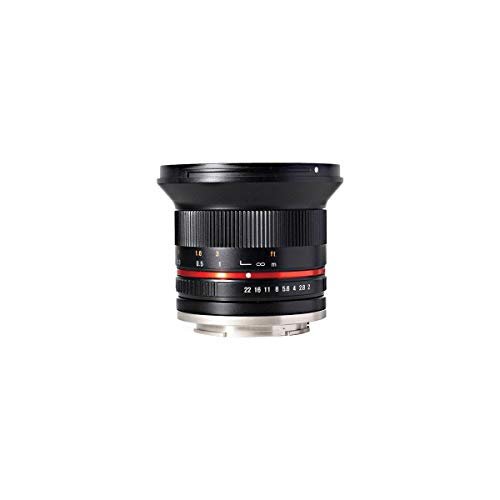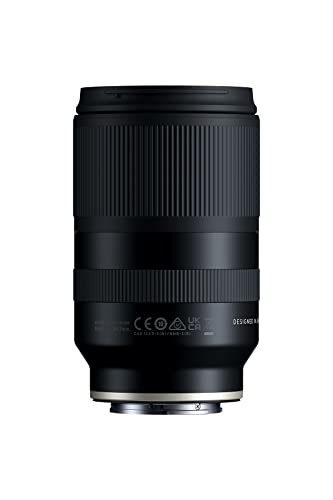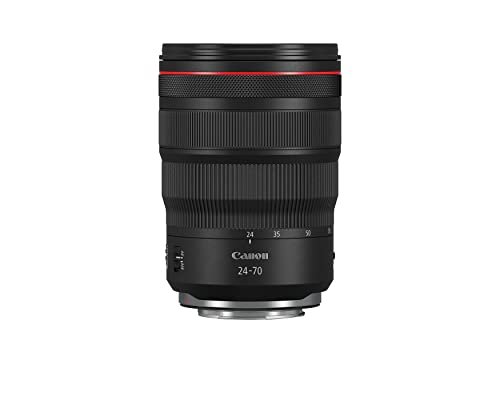
The Canon RF24-70mm F2.8L IS USM is the best Canon zoom lens for most serious photographers.
Many photographers want one lens that can handle family events, travel, portraits, street scenes, and daily work. Changing lenses can slow you down and make you miss key moments. A good Canon zoom lens solves that problem by giving you useful focal lengths in one body. I compared five strong options for Canon EOS R mirrorless and Canon EOS DSLR cameras. My picks cover bright standard zooms, affordable telephoto lenses, and long-range wildlife tools.
See the differences between my top picks at a glance.
| Lens | Mount | Best For | Key Strength | Price Check |
|---|---|---|---|---|
| RF24-70mm F2.8L | Canon RF | Events and portraits | Bright f/2.8 aperture and L-series build | View on Amazon |
| RF28-70mm F2.8 IS STM | Canon RF | Travel and daily use | Light design with image stabilization | View on Amazon |
| EF 75-300mm III | Canon EF | Budget telephoto work | Low entry cost and long reach | View on Amazon |
| EF 100-400mm L IS USM | Canon EF | Wildlife and sports | Pro-grade reach and L-series optics | View on Amazon |
| RF100-400mm F5.6-8 IS USM | Canon RF | EOS R wildlife and travel | Compact long-range mirrorless design | View on Amazon |
Canon RF24-70mm F2.8L IS USM

The Canon RF24-70mm F2.8L IS USM is the strongest all-purpose lens in this comparison. Its 24mm view works well for rooms, landscapes, and group photos. At 70mm, it creates a useful portrait view with natural-looking facial shape. The constant f/2.8 aperture also lets in more light than a basic kit zoom.
Canon designed this RF lens for EOS R series mirrorless cameras. It includes optical image stabilization, which helps reduce blur from camera movement during hand-held shooting. The Nano USM focus motor gives it fast and quiet autofocus for still photos and video. As an L-series lens, it also offers a higher level of weather protection and build quality than Canon’s entry-level zooms.
Pros:
- Useful 24-70mm range for many types of photography
- Bright constant f/2.8 aperture
- Strong image quality across the frame
- Optical image stabilization supports hand-held work
- Fast, quiet Nano USM autofocus
- Professional L-series construction
Cons:
- Higher price than a standard kit lens
- Large and fairly heavy on smaller EOS R bodies
- Not designed for very distant wildlife subjects
What Amazon Buyers Are Saying
Buyer comments commonly focus on sharp images, reliable autofocus, and the lens’s ability to replace several smaller lenses. Many users like the bright aperture for weddings, indoor work, and evening portraits. Buyers also often praise the solid build and smooth operation. The main complaints tend to involve cost, size, and weight. Some users also note that the lens feels more balanced on a larger EOS R body than on a small camera.
My Recommendation
I recommend this lens for photographers who want one high-quality standard zoom for serious daily use. It is worth buying if you shoot events, portraits, travel, or paid work and need dependable results. It is less suitable for buyers who want the smallest or least expensive option. For overall quality and range, I rate it as the best Canon zoom lens here.
Canon RF28-70mm F2.8 IS STM

The Canon RF28-70mm F2.8 IS STM offers a smart balance between speed, size, and price. Its focal range covers common subjects such as food, portraits, travel scenes, and family photos. The constant f/2.8 aperture helps maintain a bright view through the zoom range. It can also create a softer background than many slower kit lenses.
This lens includes image stabilization rated at up to 5.5 stops under Canon’s stated test conditions. That feature helps when you shoot indoors or in low light with a still subject. Its STM focus motor aims for smooth, quiet focus during video and everyday photography. The lens uses Canon’s RF mount, so it fits EOS R series cameras but does not directly fit Canon EF DSLR bodies.
Pros:
- Constant f/2.8 aperture in a practical zoom range
- Image stabilization helps reduce hand-held shake
- Useful for travel, portraits, food, and family photos
- Quiet STM focusing suits casual video
- RF mount gives direct compatibility with EOS R cameras
- More approachable than many professional L-series zooms
Cons:
- 28mm is less wide than a 24mm lens
- STM autofocus may not match Nano USM speed for demanding action
- It is not compatible with EF DSLR cameras without a suitable mount solution
What Amazon Buyers Are Saying
Amazon buyers often like the lens for its useful range, steady results, and lower weight than some professional standard zooms. Reviews commonly mention the bright aperture and good fit for travel or daily EOS R use. Users who record video tend to value quiet focus operation. The most common concerns are the 28mm wide end and the fact that some buyers expect L-series construction at a lower price. As with any lens, results can vary by camera body and shooting style.
My Recommendation
This is a very good choice for an EOS R owner who wants a fast, practical standard zoom without moving to the largest professional option. I would choose it for travel, family work, and general photography. It gives up some width and premium construction, but its mix of features is strong. I rate it 4.5 out of 5.
Canon EF 75-300mm III Telephoto Zoom

The Canon EF 75-300mm f/4-5.6 III is a budget telephoto zoom for Canon SLR cameras. Its range reaches from short telephoto to a strong 300mm view. That reach can help with outdoor portraits, school sports, pets, and distant details. The renewed version may appeal to a new photographer who wants to test telephoto photography without a large first investment.
This lens uses the Canon EF mount and is made for Canon SLR cameras. It does not include image stabilization, so careful hand-holding matters at longer focal lengths. The variable f/4-5.6 aperture also becomes less bright as you zoom in. For the best results, I would use it outdoors in good light and keep shutter speed high enough to reduce camera shake.
Pros:
- Reaches 300mm at a low entry price
- Useful for outdoor sports and wildlife beginners
- Lightweight compared with many professional telephoto lenses
- Simple controls suit first-time telephoto users
- Works with Canon EF-mount SLR cameras
- Renewed format can reduce the cost of trying a long lens
Cons:
- No built-in image stabilization
- Autofocus and image quality are more basic than newer lenses
- Slow variable aperture limits low-light use
- Renewed condition can vary, so buyers should check the listing details
What Amazon Buyers Are Saying
Buyer feedback often praises the low price and the chance to reach 300mm with a simple lens. Many users describe it as a useful starter lens for daylight sports, moon photos, and casual wildlife work. Common complaints include slow focus, softness at the long end, and the lack of stabilization. Because this listing is renewed, buyers should also review the condition policy, included accessories, and return terms before ordering.
My Recommendation
I recommend this lens for beginners who use a Canon DSLR and need the most affordable path into telephoto photography. It can produce pleasing outdoor photos when the light is good and technique is steady. It is not my first choice for fast action, dim scenes, or professional work. I rate it 3.7 out of 5 because its value depends heavily on its low price.
Canon EF 100-400mm L IS USM

The Canon EF 100-400mm f/4.5-5.6L IS USM is built for photographers who need serious reach. Its 100-400mm range works well for birds, wildlife, field sports, and outdoor action. The L-series design places it above basic consumer telephoto lenses in build and optical quality. It also gives you more framing control than a fixed telephoto lens.
This lens includes image stabilization and a USM autofocus motor. Stabilization can help when you work at long focal lengths, although it cannot freeze a moving subject. The f/4.5-5.6 aperture is not as bright as a professional constant-aperture sports lens. Still, the lens can perform well in daylight when paired with a Canon DSLR that focuses quickly.
Pros:
- Long 100-400mm range for wildlife and sports
- L-series optical and build standards
- Image stabilization helps with hand-held framing
- USM autofocus supports responsive subject tracking
- Strong option for outdoor photography
- Flexible zoom range reduces the need to change lenses
Cons:
- Heavy compared with standard zoom lenses
- Older EF design suits DSLR users more directly than EOS R users
- Variable aperture is less useful in dark conditions
- Long lenses require practice and careful support
What Amazon Buyers Are Saying
Amazon feedback for this lens often highlights its reach, image quality, and usefulness for birds and outdoor sports. Buyers commonly value the stabilizer and the ability to zoom out when a subject moves closer. Some users report that the lens takes time to master because of its size and narrow field of view. The usual concerns involve weight, age, and the need to check the condition of a used or older unit before purchase.
My Recommendation
I recommend this lens to Canon DSLR owners who want a capable wildlife or sports zoom and can accept its size. It remains a useful tool when the copy is in good condition and the price makes sense. EOS R owners should confirm adapter needs before buying. I rate it 4.2 out of 5 for reach, stabilization, and L-series performance.
Canon RF100-400mm F5.6-8 IS USM

The Canon RF100-400mm F5.6-8 IS USM is one of the most practical long lenses for Canon EOS R users. It reaches 400mm while keeping a more manageable size than many fast wildlife zooms. The range suits birds, animals, sports, aircraft, and distant travel subjects. It also works well for photographers who want more reach without carrying a very large professional lens.
Canon built this lens with optical image stabilization and a Nano USM autofocus motor. The stabilizer helps with camera movement, while fast focus can support moving subjects in good light. Its f/5.6-8 aperture is the main trade-off. You need more light or a higher ISO as you zoom toward 400mm, but modern EOS R cameras can often handle that need well.
Pros:
- 400mm reach in a relatively compact RF design
- Optical image stabilization supports hand-held shooting
- Nano USM autofocus is fast and quiet
- Excellent fit for EOS R wildlife and travel users
- Useful zoom range for subjects at changing distances
- Usually easier to carry than larger professional telephoto lenses
Cons:
- f/8 at 400mm needs good light or higher ISO
- Not as bright as premium sports and wildlife lenses
- RF mount limits direct use on Canon EF DSLRs
- May need extra technique for fast action at dusk
What Amazon Buyers Are Saying
Buyers often praise this lens for its reach, low weight, and easy fit on EOS R cameras. Reviews commonly mention good results for birds, planes, sports, and travel subjects in daylight. Many users like having 400mm without carrying a very large lens. The most repeated concern is the slow f/8 aperture at the long end. Buyers who expect strong low-light action performance may prefer a brighter and more expensive telephoto model.
My Recommendation
I recommend the RF100-400mm to EOS R owners who value reach and portability. It is a better everyday telephoto choice than the EF 75-300mm when you use a compatible mirrorless camera and can work in decent light. It offers strong value for wildlife beginners and travel photographers. I rate it 4.5 out of 5.
How to Choose the Best Canon Zoom Lens
The best Canon zoom lens depends on your camera mount, subject, light, and budget. A lens that works well for a wedding may not suit birds or school sports. I suggest checking these three points before you place an order.
1. Match the Lens Mount to Your Camera
Start with the mount. Canon RF lenses fit Canon EOS R mirrorless cameras. Canon EF lenses fit Canon EOS DSLR cameras. An EF lens can often work on an EOS R body with a suitable Canon EF-EOS R adapter, but an RF lens cannot fit a Canon EF DSLR. Check your camera model and mount before comparing focal length or price.
Mount choice also affects balance. A large EF telephoto lens may feel front-heavy on a small mirrorless body, even with an adapter. An RF lens often gives the cleanest fit on an EOS R camera. Read the camera and lens details together, not as separate products.
2. Choose the Focal Range for Your Subjects
A 24-70mm lens is the most flexible choice for people, travel, street photos, food, and events. The 24mm end gives a wider view, while 70mm works well for portraits. A 28-70mm lens offers a similar role but shows slightly less of a scene at the wide end.
For distant subjects, choose a telephoto zoom. The 75-300mm lens suits beginners who shoot outdoors on a tight budget. A 100-400mm lens gives more reach for birds, wildlife, and field sports. The longer the focal length, the more careful you must be with focus, shutter speed, and camera support.
3. Balance Aperture, Stabilization, and Value
The aperture controls how much light enters the lens. A constant f/2.8 zoom helps in dim rooms and gives more control over background blur. A lens with f/5.6-8 may cost less and weigh less, but it needs brighter conditions or a higher ISO. For fast action at dawn or dusk, a brighter lens can make a real difference.
Image stabilization helps reduce blur from camera movement. It does not stop a running person or flying bird from moving. Autofocus type also matters. USM and Nano USM systems suit action and quiet video work, while simple focus systems may suit casual use. Finally, compare the total value. A lower-cost lens is not a bargain if it does not match your camera or subjects.
Final Verdict: Which Should You Buy?
For most EOS R photographers, the Canon RF24-70mm F2.8L IS USM is the best Canon zoom lens. Choose the RF100-400mm for affordable mirrorless wildlife reach, or the EF 100-400mm for compatible DSLR use.
Before buying, confirm the mount, focal range, light needs, and return terms. The right Canon zoom lens should fit both your camera and the way you really shoot.
FAQs Of best canon zoom lens
What is the best Canon zoom lens for general photography?
The Canon RF24-70mm F2.8L IS USM is the strongest general option here. It covers wide scenes, portraits, events, travel, and daily photography.
Which Canon zoom lens is best for wildlife?
The Canon RF100-400mm F5.6-8 IS USM is a strong choice for EOS R users. DSLR owners may prefer the EF 100-400mm L IS USM.
Do Canon RF lenses work on Canon DSLR cameras?
No. Canon RF lenses are made for EOS R mirrorless cameras and do not directly fit Canon EF DSLR bodies.
Is a 24-70mm lens better than a 28-70mm lens?
A 24-70mm lens gives a wider view, which helps in rooms and landscapes. A 28-70mm lens may suit buyers who value a practical range and lower cost.
Is the Canon EF 75-300mm lens good for beginners?
It can be a useful low-cost starter telephoto lens for outdoor daylight photos. It lacks image stabilization and works best when you use a fast shutter speed.