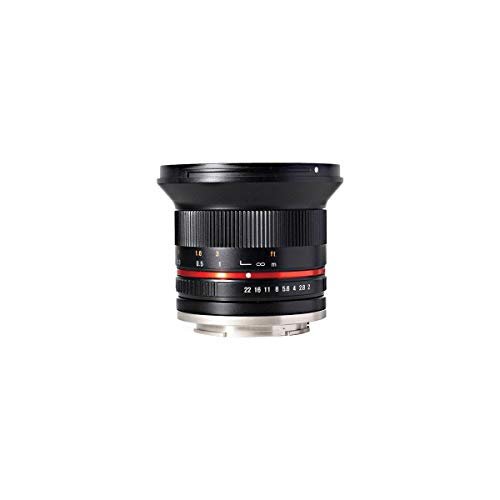
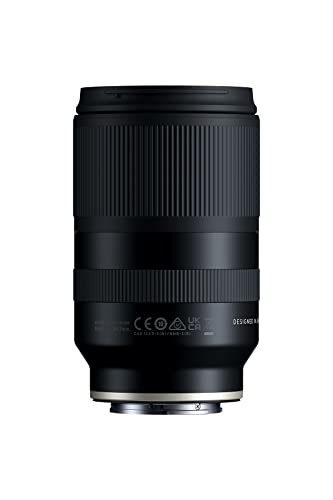
The best E-mount Sony lenses blend sharp optics, useful focal lengths, fast focus, and strong value for your camera.
You may own a Sony mirrorless camera but still feel limited by the kit lens. A distant subject stays too small, portraits look flat, or indoor photos turn dark and noisy. The right Sony E-mount lens can solve those problems without forcing you to replace your camera. I compared five popular choices for full-frame and APS-C Sony cameras. These lenses cover travel, portraits, sports, wildlife, street scenes, and daily photography. My picks include affordable Sony options and flexible Tamron zooms, so you can match the lens to your camera, budget, and shooting style.
See the differences between my top picks at a glance.
Tamron 70-300mm for Sony E

The Tamron 70-300mm is one of the easiest ways to add real telephoto reach to a Sony camera. It covers a useful range for birds, outdoor sports, travel details, and candid portraits. On a full-frame camera, 70mm works well for loose portraits and street scenes, while 300mm brings far subjects closer. On an APS-C camera, the view becomes tighter, which helps with distant subjects.
This lens uses Tamron’s RXD autofocus motor and has a variable f/4-6.3 aperture. It is not a low-light specialist, but its long reach and fairly light design make it easy to carry. The lens does not include optical image stabilization, so camera-body stabilization and good shutter speed matter. For daylight shooting, travel, and casual wildlife work, this is a strong value among the best E-mount Sony lenses.
Pros:
- Useful 70-300mm range for travel and outdoor subjects
- Works with both full-frame and APS-C Sony E cameras
- RXD autofocus supports quiet focus for photos and video
- Long reach without the bulk of many professional telephoto lenses
- Good choice for daylight wildlife and sports photography
- Six-year limited USA warranty is included with the listed version
Cons:
- Variable aperture becomes slow at the 300mm end
- No built-in optical image stabilization
- Less suitable for dark indoor venues or night sports
What Amazon Buyers Are Saying
Amazon buyers commonly focus on the lens’s reach, low weight, and value. Many users like having 300mm available in a lens that feels easier to pack than larger professional zooms. Reviews also tend to praise image quality in good light and the usefulness of the autofocus for general outdoor work.
The main concerns often involve the slow maximum aperture and the lack of optical stabilization. Some buyers also note that results depend on the camera body, shutter speed, and light. These comments make sense for this lens class. It performs best when buyers understand that it is a portable daylight telephoto, not a bright indoor sports lens.
My Recommendation
I recommend the Tamron 70-300mm to travelers, hobby wildlife photographers, and Sony owners who need more reach at a fair price. It offers a very practical range and avoids the cost and weight of high-end telephoto glass. Buy it if you shoot outside often and can work with a slower aperture.
Tamron 28-75mm G2 for Sony

The Tamron 28-75mm f/2.8 G2 is the most versatile lens in this review for full-frame Sony users. Its range covers wide daily shots, family photos, travel scenes, and short telephoto portraits. The constant f/2.8 aperture lets you keep the same exposure as you zoom. It also helps create softer backgrounds than many standard kit zooms.
Tamron designed this second-generation lens with VXD autofocus and improved optical performance over the earlier version. The lens supports full-frame and APS-C Sony E cameras, although the APS-C view becomes less wide. It is a strong single-lens solution for events and trips. If you want one lens that can handle many jobs, this is among the best E-mount Sony lenses available in this group.
Pros:
- Constant f/2.8 aperture across the full zoom range
- Useful range for travel, portraits, events, and family photos
- VXD autofocus is fast and useful for moving subjects
- Strong balance of image quality, size, and price
- Works on full-frame and APS-C Sony E cameras
- Close-focus ability adds value for food, products, and detail shots
Cons:
- 28mm is not as wide as an ultra-wide lens
- No optical stabilization built into the lens
- May feel large on very small APS-C camera bodies
What Amazon Buyers Are Saying
Buyer feedback often praises the sharp images, constant f/2.8 aperture, and broad everyday range. Many users see it as a useful upgrade from a basic kit lens. Portrait shooters tend to like the background separation, while travel users value the fact that one lens can cover many common scenes.
Common complaints usually relate to weight, size, and the missing optical stabilizer. Some users also point out that 28mm does not provide the wide view needed for tight interiors or large landscapes. These points are important, but they do not reduce the lens’s main strength: it is a bright, flexible standard zoom for general Sony photography.
My Recommendation
I recommend the Tamron 28-75mm G2 as the best all-around pick in this comparison. It gives full-frame users a bright zoom for daily work, portraits, and paid events. It is worth buying if you want one dependable lens and do not need a very wide or very long focal length.
Sony 55-210mm E-Mount Lens

The Sony 55-210mm is a budget telephoto zoom made for Sony E-mount APS-C cameras. It gives users more reach than a standard 16-50mm kit lens. That makes it useful for school events, travel details, family sports, and casual outdoor photography. The lens reaches an angle similar to a much longer lens on full frame because of the APS-C crop factor.
This listing is a renewed product, so buyers should read the current condition details and warranty terms before ordering. The lens has a variable f/4.5-6.3 aperture and optical image stabilization, which can help reduce camera shake when photographing still subjects. It is not designed for demanding low-light action. Still, it remains an affordable way to build a two-lens Sony kit.
Pros:
- Affordable way to add telephoto reach to an APS-C Sony camera
- 55-210mm range suits sports, travel, and outdoor subjects
- Optical image stabilization helps with handheld still shots
- Compact companion to a standard kit lens
- Simple Sony controls and native E-mount communication
- Renewed condition may lower the entry price
Cons:
- Designed mainly for APS-C rather than full-frame use
- Slow f/6.3 maximum aperture at the long end
- Renewed products can vary in cosmetic condition
- Autofocus and detail may not match newer premium lenses
What Amazon Buyers Are Saying
Amazon buyers often like this lens because it adds reach without a large investment. Many users describe it as a useful second lens for an APS-C camera. The stabilization and light build also receive attention from buyers who use it for family trips and outdoor scenes.
The most common limits in buyer feedback concern low-light use and image quality at the far end of the zoom. Since this is a renewed listing, buyers may also pay close attention to packaging, condition, and return support. I suggest checking the seller details and reading the current listing before purchase.
My Recommendation
I recommend this Sony lens for beginners who own an APS-C camera and need affordable extra reach. It is a practical starter telephoto, but I would not choose it for professional sports or dark venues. The renewed condition makes careful inspection of the listing especially important.
Tamron 70-180mm G2 for Sony

The Tamron 70-180mm f/2.8 G2 targets photographers who need a bright telephoto zoom but want to avoid a very large lens. Its constant f/2.8 aperture works well for portraits, indoor events, stage shows, and outdoor sports. The 70mm end gives room for half-body portraits, while 180mm offers useful subject compression and reach. It is built for full-frame Sony mirrorless cameras.
This G2 model adds VC image stabilization, which helps handheld shooting when light falls. It also uses Tamron’s VXD focus motor for quick subject tracking. The lens cannot replace a 400mm lens for distant wildlife, but it handles many sports and portrait jobs with ease. For Sony users who want professional-style results in a manageable package, it is a serious contender among the best E-mount Sony lenses.
Pros:
- Bright constant f/2.8 aperture for action and portraits
- Useful 70-180mm range for events and sports
- VC image stabilization supports steadier handheld shots
- VXD autofocus suits moving subjects and video work
- Full-frame design with a more manageable size than many pro zooms
- Strong background separation at longer focal lengths
Cons:
- 180mm provides less reach than a 200mm or 300mm lens
- More expensive than basic telephoto zooms
- Still larger and heavier than a standard zoom or 50mm prime
What Amazon Buyers Are Saying
Buyer discussions often highlight the fast aperture, sharp results, and useful balance between reach and portability. Portrait users like the compression and background blur. Sports and event photographers tend to value the f/2.8 aperture because it helps maintain faster shutter speeds in changing light.
Some buyers mention the cost and the fact that 180mm may not be enough for distant wildlife. Others compare the size with Sony’s larger professional telephoto options. Those comments show where this lens fits best. It is a bright, capable event and portrait zoom, not a compact travel lens or extreme wildlife lens.
My Recommendation
I recommend the Tamron 70-180mm G2 for serious enthusiasts, portrait photographers, and event shooters. The constant f/2.8 aperture and stabilization make it more useful in difficult light than slower zooms. It is worth buying when performance matters more than the lowest price.
Sony FE 50mm f/1.8 Lens

The Sony FE 50mm f/1.8 is a simple prime lens for full-frame Sony E-mount cameras. Its 50mm view looks natural and works well for portraits, street scenes, food, family photos, and daily use. The wide f/1.8 aperture lets in more light than many kit zooms. It can also create a soft background when you focus closely on a subject.
This lens has a small design and a straightforward control layout. It lacks the zoom range of the other picks, so you must move your feet to change the framing. On an APS-C camera, the view becomes tighter and works more like a short portrait lens. For buyers who want a low-cost introduction to prime-lens photography, this Sony model remains one of the best E-mount Sony lenses.
Pros:
- Bright f/1.8 aperture for portraits and indoor photos
- Natural 50mm perspective on full-frame cameras
- Compact design is easy to carry every day
- Useful background blur for a budget prime lens
- Native Sony E-mount communication and camera control
- Good starting point for learning prime-lens composition
Cons:
- Fixed focal length offers no zoom flexibility
- Autofocus may feel less refined than newer premium Sony primes
- Some users may find the 50mm view less wide on APS-C bodies
What Amazon Buyers Are Saying
Amazon buyers often like the low price, small size, and bright aperture. Many use it for portraits, family photos, and indoor scenes. Buyers who move from a kit zoom often appreciate the stronger background blur and the ability to shoot at lower light levels.
The most common concerns involve autofocus speed, noise, and the limits of a fixed focal length. These points matter most for video users and fast-moving subjects. For still photography, the lens offers a simple and affordable way to explore shallow depth of field without carrying a large zoom.
My Recommendation
I recommend the Sony FE 50mm f/1.8 for beginners, portrait fans, and anyone who wants a light everyday prime. It is not the most advanced 50mm lens, but it gives strong creative value at a modest cost. Choose it when image brightness and portability matter more than zoom convenience.
How to Choose Best E-Mount Sony Lenses
Choosing the best E-mount Sony lenses starts with your camera body and the subjects you shoot most. A lens that works perfectly for a full-frame Sony A7 camera may feel too narrow on an APS-C Sony a6000-series body. I also suggest checking aperture, stabilization, focus behavior, size, and warranty before you buy. The right match will improve your photos more than a long list of extra features.
1. Match the Lens to Your Sony Sensor
First, check whether your camera uses a full-frame or APS-C sensor. Full-frame lenses work on both formats, but an APS-C body shows a narrower view. For example, a 50mm lens on APS-C gives a view similar to a longer lens on full frame. That can help portraits, but it may feel tight indoors.
APS-C lenses can be smaller and less costly. They make sense when you plan to stay with an APS-C camera. Full-frame lenses make more sense when you want an upgrade path to a full-frame Sony body. All five lenses in this guide use the Sony E mount, but the Sony 55-210mm is best suited to APS-C cameras.
2. Choose the Right Focal Length and Aperture
Focal length decides how much of the scene you see. Wide and standard lenses suit rooms, travel, street scenes, and family photos. Telephoto lenses suit sports, wildlife, stage work, and distant details. A 28-75mm lens can cover many daily tasks, while a 70-300mm lens gives much more reach.
Aperture controls light and background blur. A lower f-number, such as f/1.8 or f/2.8, usually helps in dim light and gives more blur. A variable aperture, such as f/4.5-6.3, can keep a lens lighter and cheaper. I would choose a bright constant f/2.8 lens for events and action, but a slower telephoto works well for daylight travel.
3. Compare Focus, Stabilization, Size, and Value
Fast autofocus matters when children, pets, athletes, or birds move. Quiet focus also helps when you record video. Tamron’s VXD and RXD systems serve different lens classes, while Sony’s native lenses communicate directly with Sony cameras. Still, camera settings and subject light affect focus results.
Image stabilization can help reduce blur from hand movement, but it cannot freeze a moving subject. You still need a fast shutter speed for sports. Also consider weight. A lens that stays in your bag can be more useful than a larger lens that remains at home. Finally, compare the current Amazon price, seller, warranty, and return terms. Renewed products deserve extra care because condition can vary.
Final Verdict: Which Should You Buy?
For most full-frame Sony users, the Tamron 28-75mm G2 is the best overall choice. Choose the Tamron 70-180mm G2 for bright telephoto work, the 70-300mm for reach, and the Sony 50mm for a light prime. APS-C beginners can save with the Sony 55-210mm.
The best E-mount Sony lenses should match your camera, subjects, light, and budget. Pick the focal range you will use most, then confirm the current Amazon listing and warranty before ordering.
FAQs Of best e mount sony lenses
Are Sony E-mount lenses compatible with all Sony mirrorless cameras?
Yes, Sony E-mount lenses fit Sony E-mount mirrorless cameras. However, check whether the lens suits full-frame or APS-C use for the best field of view.
Which E-mount Sony lens is best for portraits?
The Sony FE 50mm f/1.8 suits affordable full-frame portraits. The Tamron 28-75mm G2 and 70-180mm G2 offer more framing choices and stronger zoom flexibility.
Is the Tamron 70-300mm good for wildlife photography?
It is a good daylight starter lens for distant animals and birds. Its slow aperture and lack of optical stabilization make it less suited to dark conditions or fast professional wildlife work.
What is the best Sony E-mount lens for low light?
The Tamron 70-180mm G2 and Tamron 28-75mm G2 both have constant f/2.8 apertures. The Sony FE 50mm f/1.8 gathers even more light, but it has no zoom.
Should I buy a renewed Sony lens on Amazon?
A renewed lens can offer good value, but read the condition notes, seller details, warranty, and return policy. Inspect the lens when it arrives and test focus, zoom, and stabilization.