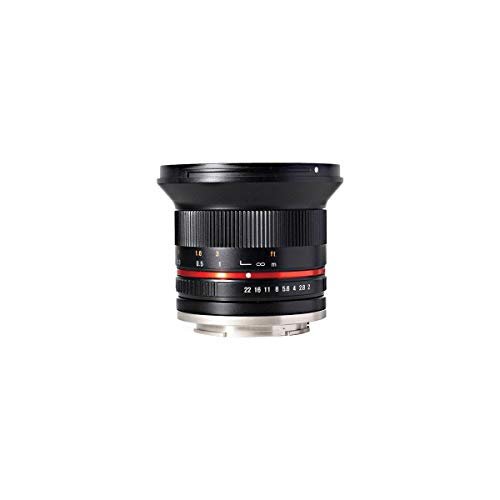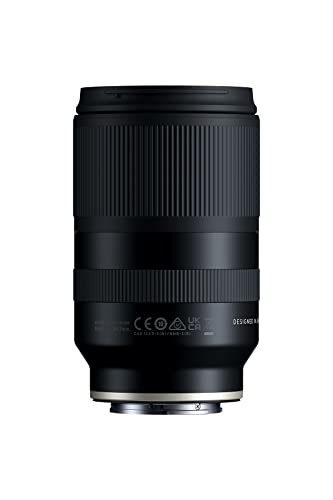

The Canon EF 8-15mm f/4L is the best fisheye lens for Canon shooters who want proven optical range and flexibility.
You may want dramatic curves for skate videos, wide landscape views, tight indoor spaces, or creative portraits, but choosing the right Canon fisheye lens can feel confusing. Mount type, sensor size, focus control, image circle, and shooting style all matter. I compared five strong options for Canon DSLR and mirrorless users. This guide explains where each lens works best, what limits to expect, and which model offers the best value for your camera.
See the differences between my top picks at a glance.
Canon RF 7-14mm Fisheye

The Canon RF 7-14mm F2.8-3.5 L FISHEYE targets Canon EOS R users who need a very wide view with a zoom range. Its listed design combines 190-degree circular or diagonal fisheye coverage with a drop-in filter slot. The STM autofocus motor should appeal to photographers and video users who want smooth focus changes. The lens also lists five UD elements and a sealed construction, which suggests a serious design for outdoor work.
The 7-14mm range gives you more framing control than a fixed fisheye lens. At the widest setting, you can create an extreme curved effect or fit a large scene into a tight space. At the longer setting, the view should feel easier to manage while still keeping a strong fisheye look. Because this is an RF lens, buyers should confirm that their camera uses the Canon RF mount before ordering.
Pros:
- Very wide 7-14mm zoom range
- Supports circular and diagonal fisheye effects
- STM autofocus suits stills and video
- Listed drop-in filter slot adds creative control
- Five UD elements target color fringing
- Sealed construction suits outdoor shooting
- Useful choice for Canon RF mirrorless cameras
Cons:
- Not compatible with Canon EF DSLR mounts without an appropriate system solution
- Extreme fisheye distortion takes practice to control
- Specialized RF design may cost more than manual EF alternatives
What Amazon Buyers Are Saying
Buyer feedback for a newer or less common lens can change as more photographers use it. I would pay close attention to verified comments about RF camera compatibility, edge sharpness, autofocus behavior, and filter handling. Buyers who need a modern RF fisheye zoom will likely value the range and autofocus system most.
Potential complaints may focus on the learning curve that comes with a 190-degree view. Some users may also want more hands-on reports about flare, corner detail, and how well the sealing performs in real weather. Read the latest product page reviews before purchase, and check that the advertised features match the exact listing you plan to order.
My Recommendation
I recommend this lens for Canon RF users who want a flexible fisheye zoom and do not want to focus by hand. It looks especially appealing for landscapes, action scenes, architecture, and creative video. However, I would confirm the lens status, mount, and current seller details before buying because newer product listings can change. For the right RF camera, it could be a strong premium choice.
Meike 8mm f/3.5 Fisheye for Canon EF

The Meike 8mm f/3.5 is a manual-focus fisheye lens made for Canon EF-mount APS-C cameras. The listing names many compatible EOS bodies, including the 70D, 77D, 80D, and several Rebel models. Its rectangle fisheye design gives a strong wide effect without being a dual-lens VR product. This makes it a practical budget tool for people who want to explore creative fisheye photography.
Manual focus is not a major problem at very short focal lengths. Once you set the focus and aperture for the scene, much of the frame can remain acceptably sharp. Still, this lens needs a slower, more careful shooting style than an autofocus model. It suits landscapes, interiors, skateboarding, portraits with a fun look, and experiments with perspective.
Pros:
- Designed for Canon EF-mount APS-C cameras
- 8mm focal length creates a strong ultra-wide effect
- Manual focus keeps the controls simple
- Good entry point for creative fisheye work
- Works well for planned shots and landscapes
- Listed compatibility covers many popular Canon EOS bodies
Cons:
- Manual focus may slow down fast action shooting
- APS-C design limits its direct use on some full-frame cameras
- Fixed focal length gives less framing control
- Users must check exposure and focus settings themselves
What Amazon Buyers Are Saying
When reading buyer reviews for an affordable manual fisheye, look for repeated comments about build feel, focus control, sharpness, and flare. Customers who understand the manual design often appreciate the low-cost way to create a very wide image. The strongest real-world value usually comes from planned work rather than fast, changing subjects.
Common concerns with this class of lens include the lack of autofocus and the need to learn how distortion changes near the frame edges. Some buyers may also report different results across camera bodies and shooting settings. I suggest reading recent reviews from users with the same Canon APS-C body as yours.
My Recommendation
This Meike is worth considering if you own a compatible Canon APS-C DSLR and want the best low-cost path into fisheye photography. It is not the right choice for hands-off autofocus or full-frame EF use without careful checking. I like it most for students, hobbyists, travel shooters, and creators who enjoy manual control.
Canon EF 8-15mm f/4L Fisheye USM

The Canon EF 8-15mm f/4L Fisheye USM remains the most balanced option in this comparison for many Canon DSLR owners. Its zoom range can produce both circular and full-frame diagonal fisheye images, depending on the focal length and camera format. The L-series name points to Canon’s professional lens line, while the USM motor provides autofocus for still images and action. It is built for photographers who want one lens for several fisheye styles.
The 8mm end creates the most dramatic circular effect on compatible setups. Moving toward 15mm can fill the frame with a diagonal fisheye view that feels easier to use for sports, interiors, and landscapes. The fixed f/4 aperture is not extremely bright, but it keeps exposure changes simple while zooming. I also like the creative value because you can change the look without changing lenses.
Pros:
- Versatile 8-15mm fisheye zoom range
- Can create circular and diagonal fisheye images
- USM autofocus helps with moving subjects
- Professional L-series construction
- Strong fit for Canon EF DSLR systems
- Useful for sports, travel, architecture, and landscapes
- One lens covers several distinct fisheye effects
Cons:
- EF mount is not the native mount for newer Canon RF cameras
- Front glass needs careful protection because of its wide shape
- F/4 may feel limited in dim indoor scenes
- Fisheye distortion still needs careful composition
What Amazon Buyers Are Saying
Review patterns for this Canon lens often center on its unusual range and image quality. Buyers who want both circular and diagonal effects tend to value the creative control. Many serious Canon users also like the familiar autofocus system and the ability to use the lens for more than one type of assignment.
The main complaints usually relate to price, the learning curve, and the exposed front element common to extreme wide lenses. Some buyers may also discuss the need for an adapter when moving from an EF DSLR to an RF mirrorless body. Check the camera compatibility details and read recent reviews for your exact system before ordering.
My Recommendation
I consider this the best fisheye lens for Canon EF DSLR owners who want the most complete mix of range, autofocus, and creative control. It costs more than a basic manual lens, but its dual-style output makes the price easier to justify. If you shoot with a Canon EOS DSLR and want one dependable fisheye lens, this is my top overall pick.
Canon RF 7-14mm Fisheye Lens Bundle

This Canon RF 7-14mm bundle appears aimed at EOS R photographers who want a wide fisheye zoom with added accessories. The listing highlights smooth STM autofocus, landscape and action use, a lens case, and a cap keeper. Those extras can help protect and organize the lens during travel. The core lens details mirror the 7-14mm RF design shown in the first product listing.
A bundle can make sense when the included items meet your real needs. A case helps during transport, while a cap keeper can reduce the chance of losing the front or rear cap. Still, accessories should not distract from the key buying question: does your Canon camera use the RF mount? I would compare the bundle price with the lens-only option before placing an order.
Pros:
- Native RF option for compatible Canon mirrorless cameras
- 7-14mm range offers flexible ultra-wide framing
- STM autofocus supports smooth operation
- Lens case adds useful travel protection
- Cap keeper helps keep lens accessories together
- Strong fit for landscape and action photography
Cons:
- Bundle accessories may not add value for every buyer
- RF mount limits use with standard EF DSLR bodies
- Very wide angles can make people and objects look stretched
- Buyers should compare bundle contents and price carefully
What Amazon Buyers Are Saying
For a bundle, buyers often focus on two areas: the lens itself and the usefulness of the included extras. Look for comments about autofocus, image quality near the edges, case fit, and whether the cap keeper feels convenient. A buyer who travels may value the package more than someone who already owns a camera bag and spare accessories.
I would also check the newest reviews for any changes in packaging or included items. Product bundles can vary by seller or time. Reviews that mention the exact Canon RF body used will offer the most useful guidance for your purchase.
My Recommendation
This bundle is a sensible choice for a Canon RF owner who needs a lens and basic protection accessories at the same time. I would buy it only after checking the current bundle contents and comparing the price with the standalone lens. It offers convenience, but the lens mount and optical performance matter more than the extras.
Canon RF 5.2mm Dual Fisheye Lens
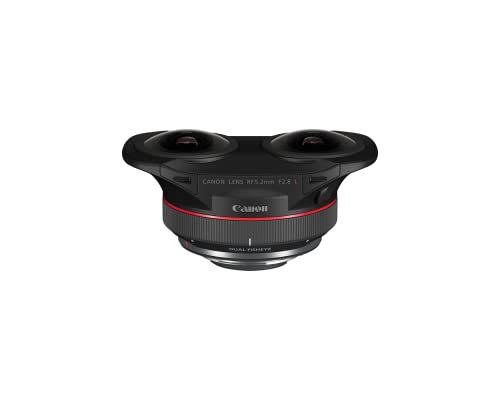
The Canon RF 5.2mm F2.8 L Dual Fisheye serves a very different purpose from a normal creative fisheye lens. It uses a dual-lens design to capture 180-degree virtual reality content and 3D imagery. The listing names compatibility with the Canon EOS R5. This lens belongs on a specialist shortlist for VR creators, not on a general landscape photographer’s shopping list.
Dual fisheye capture can save time compared with building a VR setup from two separate cameras and lenses. However, the workflow requires compatible camera software, careful subject placement, and suitable stitching or processing steps. It also demands a clear understanding of 180-degree VR output. If you only want curved still photos, a standard fisheye zoom will be easier and more practical.
Pros:
- Purpose-built for 180-degree VR capture
- Dual fisheye design supports stereoscopic 3D work
- Wide f/2.8 aperture suits low-light creative work
- Native RF mount for compatible Canon mirrorless systems
- Specialized tool for immersive content creators
- Can simplify a dual-camera VR setup
Cons:
- Listed compatibility centers on the Canon EOS R5
- Not a general-purpose fisheye lens for ordinary still photos
- VR capture requires extra software and editing knowledge
- Specialized design may offer poor value for casual users
What Amazon Buyers Are Saying
Buyers of a dual fisheye lens tend to discuss VR quality, camera compatibility, workflow, and the learning curve. Users who already create immersive content may appreciate the purpose-built design and the ability to capture both views from one lens. Their feedback is most useful when it explains the full process from capture to final headset viewing.
Potential complaints often involve software steps, stitching, and the narrow list of supported camera bodies. This is not a simple point-and-shoot lens for every Canon camera. Read reviews from VR creators, and confirm that your camera and editing setup support the required workflow.
My Recommendation
I recommend this lens only for Canon users who specifically need 180-degree VR or 3D capture. It is not my pick for normal fisheye photography, but it can be an excellent specialist tool for the correct EOS R5 workflow. Buy it for immersive video goals, not simply because the 5.2mm focal length looks interesting.
How to Choose the Best Fisheye Lens for Canon
Choosing the best fisheye lens for Canon starts with your camera body, not the focal length. A lens made for Canon EF DSLR cameras may not be the right match for a Canon RF mirrorless body. You also need to decide whether you want a normal creative fisheye, an ultra-wide zoom, or a dual fisheye lens for VR. Use the points below before you compare prices.
1. Match the Lens Mount and Sensor
Canon EF and Canon RF are different mounts. EF lenses fit Canon DSLR cameras. RF lenses fit Canon’s EOS R mirrorless system. An adapter may help in some EF-to-RF setups, but it does not turn every lens into a native RF product.
Sensor size also changes the final look. An APS-C camera shows a narrower part of the image than a full-frame camera. That can change whether the photo appears circular, diagonal, or simply very wide. Check the camera maker’s compatibility details and the lens seller’s notes before buying.
2. Pick the Right Fisheye Style
A circular fisheye places a round image inside the frame. It creates a strong, obvious effect. A diagonal or full-frame fisheye fills the entire photo with an ultra-wide, curved view. Neither style is better for every job.
Choose a circular effect for creative experiments, science images, and bold social media shots. Choose a full-frame style for landscapes, sports, architecture, and interiors. A zoom such as an 8-15mm design gives you more control. A fixed 8mm lens costs less in many cases, but it gives you fewer framing options.
3. Compare Focus, Light, and Real-World Value
Autofocus helps when the subject moves. It also makes the lens easier for new users. Manual focus can work well at very wide focal lengths, especially for landscapes and planned scenes. It costs less in some cases, but you must set focus and exposure with more care.
Check the maximum aperture as well. A wider aperture lets in more light and can help with indoor work. F/4 can still work well outdoors and with a modern camera at a higher ISO. Also inspect the front element design. Extreme fisheye lenses often have a large curved front glass, so a normal screw-on filter may not fit.
Finally, compare the full cost. Include an adapter, case, cap, software, and filters if you need them. The best fisheye lens for Canon is the one that fits your camera and your shooting style without leaving you with features you never use.
Final Verdict: Which Should You Buy?
For Canon EF DSLR owners, the Canon EF 8-15mm f/4L is my top pick. It offers autofocus, a useful zoom, and both circular and diagonal fisheye effects. RF users should consider the 7-14mm option, while VR creators should choose the RF 5.2mm Dual Fisheye.
The best fisheye lens for Canon depends on mount, sensor, and purpose. Check compatibility first, then choose the widest tool you can use with confidence.
FAQs Of best fisheye lens for canon
What is the best fisheye lens for Canon EF cameras?
The Canon EF 8-15mm f/4L Fisheye is the strongest all-around choice for Canon EF DSLR users. It offers autofocus and a flexible zoom range.
Can I use a Canon EF fisheye lens on a Canon RF camera?
Some EF lenses can work on Canon RF cameras with a suitable EF-to-RF adapter. Confirm compatibility with your exact camera and adapter before buying.
Is a manual-focus fisheye lens hard to use?
It can take practice, but manual focus is manageable for landscapes and planned scenes. It may feel slower for sports or moving subjects.
What is the difference between circular and diagonal fisheye?
A circular fisheye creates a round image inside the frame. A diagonal fisheye fills the frame and creates curved lines across the whole photo.
Is the Canon RF 5.2mm Dual Fisheye good for regular photography?
It is mainly for 180-degree VR and 3D capture. A standard fisheye zoom is more practical for normal still photos and video.