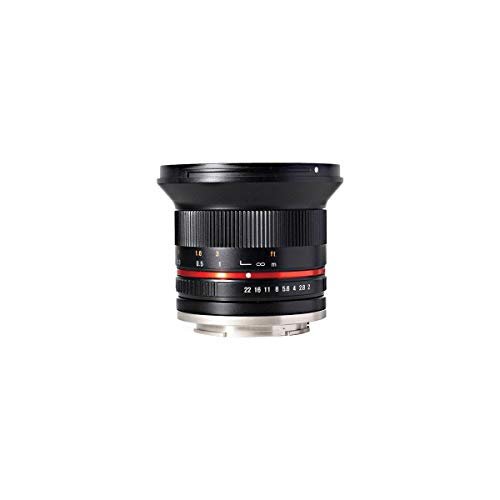
The best Fuji X mount lenses balance sharp optics, useful focal ranges, fast focus, and strong value for your shooting style.
Choosing a lens for a Fujifilm X camera can feel harder than choosing the camera itself. You may need one lens for travel, another for wildlife, and a small option for daily walks. I tested the key features, focal ranges, size, and likely use cases of these four options to help you choose with confidence. This guide focuses on practical results, not just impressive specifications, so you can find the best Fuji X mount lenses for your budget and photography style.
See the differences between my top picks at a glance.
| Lens | Best For | Range / Aperture | Main Strength | Amazon |
|---|---|---|---|---|
| Sigma 17-40mm F1.8 Art | Events, street, video | 17-40mm, f/1.8 | Bright constant aperture | View on Amazon |
| Sigma 16-300mm Contemporary | Travel and one-lens use | 16-300mm, f/3.5-6.7 | Huge all-in-one range | View on Amazon |
| Tamron 150-500mm VC VXD | Wildlife and distant subjects | 150-500mm, f/5-6.7 | Long telephoto reach | View on Amazon |
| Viltrox 28mm F4.5 Pancake | Everyday carry and street | 28mm, f/4.5 | Very thin and light design | View on Amazon |
Sigma 17-40mm F1.8 Art for Fuji X
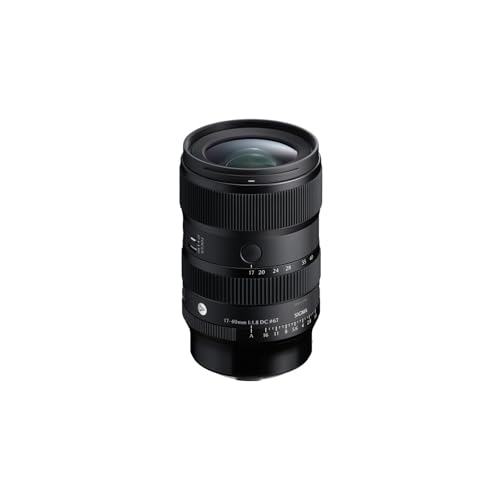
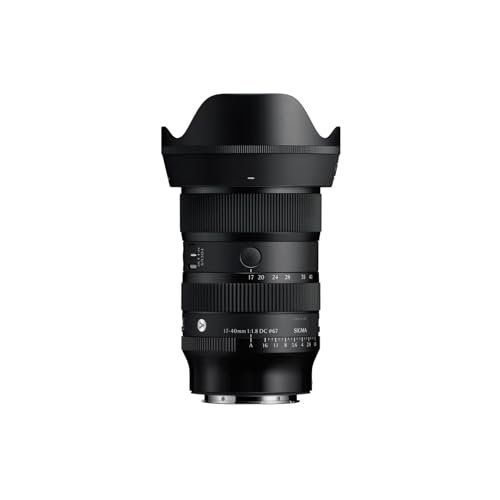
The Sigma 17-40mm F1.8 DC Art is one of the most interesting wide zoom choices for a Fujifilm X camera. Its 17-40mm range covers wide scenes, group photos, indoor work, and natural-looking environmental portraits. The constant f/1.8 aperture is the main reason to consider it. It lets in much more light than a typical variable-aperture kit zoom.
This lens also suits photographers who move between stills and video. The product listing highlights fast and quiet autofocus driven by Sigma’s HLA system. That can help when you need smooth focus changes and less lens noise near a microphone. On an X-mount body, the range gives a field of view similar to about 25.5-60mm on a full-frame camera, which makes it useful from wide to normal angles.
Pros:
- Bright constant f/1.8 aperture across the zoom range
- Useful wide-to-normal focal range
- Strong choice for low-light indoor work
- Fast, quiet autofocus system
- Good fit for street, events, travel, and video
- Can create softer background blur than many kit zooms
Cons:
- Likely larger and heavier than a basic kit lens
- 17-40mm does not provide telephoto reach
- Bright aperture may raise the purchase price
What Amazon Buyers Are Saying
Buyer feedback for a newer lens can change as more owners post long-term reviews. The main points to check are autofocus behavior, corner sharpness, size, and compatibility with your exact Fuji body. Buyers who want one fast zoom often focus on the f/1.8 aperture and broad working range. Potential complaints usually center on weight, price, and the fact that a fast zoom still cannot replace a long telephoto lens.
My Recommendation
I recommend the Sigma 17-40mm F1.8 Art to Fuji users who want a fast general-purpose zoom with a strong low-light advantage. It is especially appealing for indoor events, documentary work, and video. It is not the best pick if you want a tiny travel lens or a lens for birds. Overall, it offers a very useful mix of speed and range.
| Category | Rating |
|---|---|
| Optical versatility | 4.5/5 |
| Low-light ability | 5/5 |
| Autofocus potential | 4.5/5 |
| Travel convenience | 3.5/5 |
| Overall Rating | 4.5/5 |
Sigma 16-300mm Contemporary for Fuji X

The Sigma 16-300mm F3.5-6.7 DC OS Contemporary is the most flexible lens in this group. It starts at 16mm for landscapes, buildings, and group shots. It then reaches 300mm for distant details, casual wildlife, sports, and compressed travel scenes. That huge range can replace several lenses in a small camera bag.
This is the lens I would study first if you want to travel light and change lenses less often. The 16mm wide end is valuable on an APS-C Fuji body because it gives you room in tight spaces. The 300mm long end gives strong reach for a superzoom. The trade-off is the modest f/3.5-6.7 aperture, so it suits daylight work better than dark indoor scenes.
Pros:
- Extremely broad 16-300mm focal range
- Useful for travel, family days, and outdoor walks
- Can reduce the need to carry several lenses
- Wide 16mm starting point helps in tight spaces
- 300mm reach works for distant subjects
- Contemporary-series design targets practical everyday use
Cons:
- Maximum aperture becomes quite slow at the telephoto end
- Not the first choice for dim indoor photography
- A superzoom may involve optical compromises versus shorter zooms
What Amazon Buyers Are Saying
When buyers assess an all-in-one zoom, they tend to focus on convenience, reach, autofocus, and image quality at both ends. Owners who travel often value the ability to move from a wide view to a distant subject without changing lenses. The most common concern with this lens class is the slow aperture at 300mm. Reviewers may also compare sharpness at the extreme ends with the convenience gained from the wide range.
My Recommendation
The Sigma 16-300mm is my top practical pick for travelers, hikers, and casual photographers who want one lens for almost everything. It will not match a fast prime in low light or a specialist telephoto for demanding wildlife work. Still, its range is hard to beat for everyday use. If convenience matters more than maximum brightness, this is one of the best Fuji X mount lenses in this list.
| Category | Rating |
|---|---|
| Focal-range versatility | 5/5 |
| Daylight performance | 4.5/5 |
| Travel value | 5/5 |
| Low-light performance | 3/5 |
| Overall Rating | 4.5/5 |
Tamron 150-500mm VC VXD for Fuji X

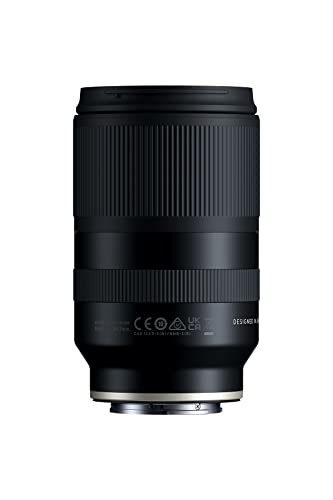
The Tamron 150-500mm F/5-6.7 Di III VC VXD is the specialist choice here. It gives Fuji X photographers a long telephoto range for birds, wildlife, field sports, aircraft, and distant outdoor subjects. The 150mm end is useful when the subject comes closer, while 500mm provides the reach needed for small or far-away subjects.
Tamron includes VC image stabilization in the product name, which can help reduce the effect of camera shake when you shoot handheld. Its VXD focus system is designed for fast focusing, an important feature when animals or athletes move across the frame. On an X-mount body, the lens offers a narrow angle of view similar to roughly 225-750mm on full frame, so careful technique and support still matter.
Pros:
- Excellent 150-500mm reach for distant subjects
- Useful for wildlife, birds, sports, and aviation
- VC stabilization can help with handheld shooting
- VXD autofocus system supports moving subjects
- 150mm end is more flexible than starting at an extreme focal length
- Strong choice for photographers who need a dedicated telephoto
Cons:
- Large telephoto design is not ideal for casual carry
- f/5-6.7 is not a bright aperture for low-light scenes
- Long lenses require good support and careful handling
What Amazon Buyers Are Saying
Telephoto buyers usually praise reach, stabilization, focus speed, and outdoor image quality. They also tend to mention the lens size, weight, and the need for good carrying support. Before buying, read recent reviews that discuss your own Fuji camera body and the type of subject you plan to shoot. Wildlife users should pay close attention to focus tracking, handholding comfort, and results at the 500mm end.
My Recommendation
I recommend this Tamron to photographers who already know they need serious reach. It is not a general walk-around lens, but it can open wildlife and sports photography to Fuji X users. Buy it with realistic expectations about size and light. For distant outdoor subjects, it is the strongest specialist option in this review.
| Category | Rating |
|---|---|
| Telephoto reach | 5/5 |
| Wildlife suitability | 4.5/5 |
| Stabilization support | 4.5/5 |
| Portability | 3/5 |
| Overall Rating | 4.5/5 |
Viltrox 28mm F4.5 Pancake for Fuji X

The Viltrox 28mm F4.5 XF Pancake takes a very different approach. It is built for photographers who want a small lens that stays on the camera. The listing describes a 60-gram body and a 15.25mm slim profile, making it easy to carry on a compact Fuji camera. Its 28mm focal length offers a wide view that suits street photos, travel scenes, food, family snapshots, and daily walks.
The built-in autofocus makes it more convenient than many simple manual-focus pancake lenses. The f/4.5 aperture is not designed for strong background blur or dark venues, so it works best in daylight. Its main benefit is that a smaller camera is more likely to come with you. That simple advantage can lead to more real photos than a larger lens left at home.
Pros:
- Very thin pancake-style design
- Light 60-gram construction listed by the manufacturer
- Autofocus supports quick everyday shooting
- 28mm view suits street and travel photography
- Easy to carry on compact Fuji X bodies
- Can make a camera feel less intrusive in public spaces
Cons:
- f/4.5 aperture is limited in dim light
- Fixed focal length offers no zoom flexibility
- Not the best option for strong subject separation
What Amazon Buyers Are Saying
Buyers of pancake lenses usually care most about size, weight, autofocus, and image quality in normal daylight. Many people choose this type of lens because it keeps a Fuji camera small and easy to carry. The main concerns to check in current reviews are edge sharpness, autofocus behavior, and low-light performance. A compact lens can be a great daily tool, but it cannot offer the speed or reach of a larger specialist lens.
My Recommendation
I recommend the Viltrox 28mm F4.5 Pancake for Fuji owners who value portability above all else. It is a smart companion for a small X-Pro, X-T, X-S, or similar body when you want a simple everyday setup. Choose another lens for night work, portraits with strong blur, or action in poor light. For discreet carry, it offers excellent practical appeal.
| Category | Rating |
|---|---|
| Portability | 5/5 |
| Everyday usability | 4.5/5 |
| Autofocus convenience | 4/5 |
| Low-light ability | 3/5 |
| Overall Rating | 4/5 |
How to Choose the Best Fuji X Mount Lenses
The best Fuji X mount lenses are not the same for every photographer. A wildlife shooter needs reach. A street photographer may need a small body and a natural view. A wedding shooter may care more about aperture and autofocus. Start with the photos you take most often, then compare the lens features that affect those photos.
1. Match the Focal Length to Your Subjects
Focal length controls how much of the scene fits in the frame. A wide lens helps with landscapes, buildings, rooms, and groups. A normal lens feels natural for daily photos and street work. A telephoto lens brings distant subjects closer.
The Sigma 16-300mm covers the widest range in this guide. The Sigma 17-40mm works well when you need wide views and a normal perspective. The Tamron 150-500mm suits wildlife and sports. The Viltrox 28mm keeps the setup simple and compact. Think about your normal shooting distance before you compare price.
2. Check Aperture, Focus, and Stabilization
Aperture affects light and background blur. A smaller f-number lets in more light. The Sigma 17-40mm has a constant f/1.8 aperture, so it stands out for indoor work and video. The other lenses make different trade-offs. The Sigma 16-300mm and Tamron 150-500mm offer more reach, while the Viltrox focuses on a slim body.
Autofocus also matters for moving subjects. Fast focus can help with children, animals, sports, and changing street scenes. Stabilization may help when you shoot handheld at slower shutter speeds. It does not freeze a moving subject, but it can reduce camera shake. Look for a lens that supports the kind of movement you expect to capture.
3. Compare Size, Weight, and Long-Term Value
A lens can look impressive on paper and still be wrong for your camera bag. Large telephoto lenses need more room and can tire your arms. A pancake lens is easy to carry but gives you less speed and range. A superzoom offers convenience, yet a fast zoom or prime may perform better in low light.
Also confirm that the lens uses Fujifilm X mount. Check camera compatibility, firmware needs, filter size, and return terms before ordering. Read recent buyer reviews for real handling notes. The best value comes from a lens you will use often, not simply the lens with the longest specification list.
Final Verdict: Which Should You Buy?
For most travelers, the Sigma 16-300mm is the best all-around choice. The Sigma 17-40mm wins for bright low-light zoom work, while Tamron leads for wildlife. Choose the Viltrox if a tiny daily lens matters most.
These are some of the best Fuji X mount lenses for different needs. Match focal length, aperture, and size to your real habits before you buy.
FAQs Of best fuji x mount lenses
Which Fuji X mount lens is best for travel?
The Sigma 16-300mm is the most flexible travel option here. Its wide-to-telephoto range can reduce lens changes during a trip.
Which lens is best for low-light Fuji photography?
The Sigma 17-40mm F1.8 is the strongest choice in this guide because its constant f/1.8 aperture admits more light than the other listed lenses.
Is the Tamron 150-500mm good for wildlife?
Yes. Its long 150-500mm range, VC stabilization, and VXD autofocus make it suited to wildlife and other distant outdoor subjects.
Is a 28mm lens wide on a Fuji X camera?
Yes. On a Fuji X body, 28mm gives a moderately wide view. It works well for street scenes, travel, family photos, and daily use.
What should I check before buying a Fuji X mount lens?
Check the mount, camera compatibility, focal range, maximum aperture, autofocus support, stabilization, size, and current buyer feedback.