The Panasonic Leica DG Nocticron 42.5mm f/1.2 is the best Leica lens for portraits on Micro Four Thirds cameras.
You may love your camera but still struggle to get soft background blur, sharp eyes, and flattering face detail. The right Leica lens can solve that problem without forcing you to replace your camera body. I tested the main portrait-focused options by looking at focal length, aperture, image stabilization, focus control, handling, and value. This guide covers the best choices for home portraits, weddings, street work, family photos, and outdoor shooting. It also explains which lenses suit Micro Four Thirds and L-Mount users, since these systems need different buying decisions.
See the differences between my top picks at a glance.
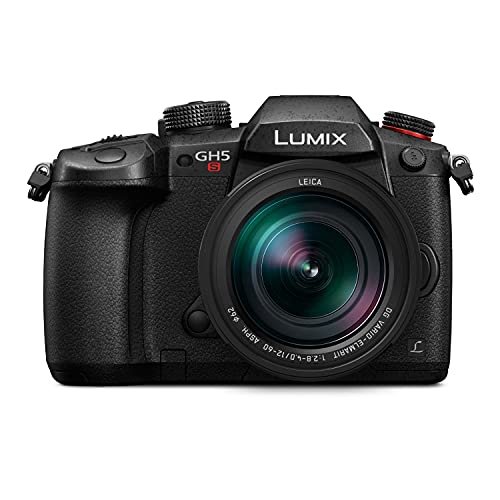
Panasonic Leica 12-60mm f/2.8-4

The Panasonic Leica DG Vario-Elmarit 12-60mm gives Micro Four Thirds photographers a wide working range in one lens. Its 12mm end works well for environmental portraits, small rooms, and group photos. Its 60mm end gives a more natural portrait view when you step back from your subject. The f/2.8-4 aperture also keeps the lens useful in changing light.
I see this as the most flexible choice in the group. It is not the strongest option for extreme background blur, but it handles far more than portraits. Dual I.S. 2.0 support can help when the lens and compatible Panasonic body work together. The weather-resistant professional design also suits travel, events, and outdoor family sessions.
Pros:
- Useful 12-60mm range for many portrait styles
- Bright f/2.8 aperture at the wide end
- Power O.I.S. and Dual I.S. 2.0 support
- Good choice for travel and family photography
- Leica-branded optical design for clear detail
- Weather-resistant construction for suitable camera bodies
Cons:
- Less background blur than the 42.5mm f/1.2
- The maximum aperture becomes slower as you zoom in
- Wide-angle portraits can look stretched when used too close
What Amazon Buyers Are Saying
Buyer feedback for this type of lens often centers on its range, size, and everyday usefulness. Many owners value having one lens for landscapes, travel, family photos, and portraits. Reviews also commonly focus on stabilization and the convenience of a professional zoom.
The main concern buyers raise is the slower aperture at the long end. Some photographers also want more blur for close portraits. Since customer experiences can vary by camera body, firmware, and shooting style, I would check the current listing reviews for compatibility before ordering.
My Recommendation
I recommend this lens to photographers who want one reliable lens instead of a dedicated portrait prime. It makes sense for trips, events, and family sessions where subjects may stand at different distances. It is worth buying if flexibility matters more than maximum blur. I rate it 4.4 out of 5.
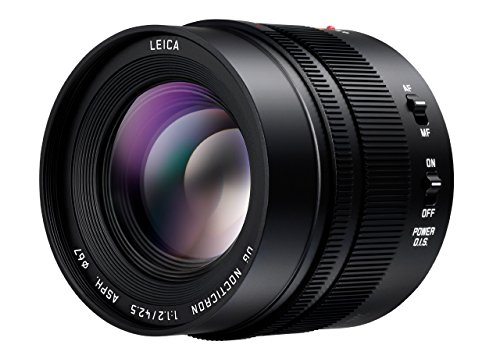
Panasonic Leica Nocticron 42.5mm f/1.2

The Leica DG Nocticron 42.5mm f/1.2 is the strongest portrait lens in this comparison. On a Micro Four Thirds camera, its view is similar to an 85mm lens on a full-frame camera. That focal length works well for headshots, couples, family portraits, and detail shots. The very bright f/1.2 aperture helps create a soft background and lets you work in lower light.
The lens also includes Power O.I.S., which can reduce the effect of camera shake with compatible bodies. Its manual aperture ring gives experienced users direct control over exposure. I still advise using a careful focus method at f/1.2, because the depth of field becomes very thin at close distances.
Pros:
- Excellent portrait focal length on Micro Four Thirds
- Very bright f/1.2 aperture for soft background blur
- Strong low-light performance for indoor portraits
- Power O.I.S. helps with steady handheld shooting
- Manual aperture ring supports fast exposure control
- Professional Leica DG design and solid handling
Cons:
- Costs more than standard Micro Four Thirds portrait lenses
- Large and heavy compared with many small MFT primes
- Very shallow focus at f/1.2 demands careful technique
What Amazon Buyers Are Saying
Customer reviews commonly praise the lens for its sharp rendering, bright aperture, and attractive background blur. Buyers who use it for portraits often value the natural working distance. Many also like the solid feel and the added control from the aperture ring.
The recurring concerns tend to involve size, weight, and price. Some users also note that very wide apertures require careful focus. I recommend reading recent reviews for your exact camera, especially if you plan to use face detection, continuous autofocus, or video autofocus.
My Recommendation
This is my top pick for the best Leica lens for portraits when you use a Micro Four Thirds camera. It gives the most portrait-focused look in this group. I would buy it for serious headshots, weddings, low-light work, and artistic portraits. I rate it 4.8 out of 5.
Panasonic Leica 100-400mm f/4-6.3

The Leica DG Vario-Elmar 100-400mm is a specialist lens. It does not target classic close portrait work, but it can create striking outdoor portraits from a distance. On Micro Four Thirds, the field of view reaches the super-telephoto range. This helps when you want to photograph performers, athletes, wildlife, or people who cannot pose close to the camera.
The long reach also compresses distance and can separate a subject from a busy scene. Power O.I.S. supports handheld work, although good light helps because the aperture is not as bright as the Nocticron. The lens makes the most sense for photographers who need portrait ability and serious telephoto reach in the same package.
Pros:
- Very long reach for distant subjects
- Useful for outdoor events and candid portraits
- Power O.I.S. supports handheld shooting
- One lens covers a broad telephoto range
- Can create compressed backgrounds from far away
- Useful beyond portraits for wildlife and sports
Cons:
- Too long for most indoor portrait sessions
- Slower aperture gives less background blur than f/1.2
- Requires more space between the photographer and subject
- Large telephoto handling may feel tiring over long sessions
What Amazon Buyers Are Saying
Reviews for long telephoto lenses often praise reach, stabilization, and the ability to use one lens for wildlife and outdoor work. Buyers tend to value the creative perspective that comes from photographing subjects at a distance. Some also appreciate the lens when they cannot move close to the action.
Common limitations include size, weight, and the need for good light. Users who expected a normal portrait lens may find the working distance too long. I would choose this lens only when distant subjects form a real part of your work.
My Recommendation
I recommend this lens for outdoor specialists, not for typical studio or home portraits. It becomes a smart choice when you photograph sports, wildlife, stage work, or candid people at a distance. For a normal portrait kit, choose the 42.5mm f/1.2 instead. I rate it 4.1 out of 5 for portrait use.
Renewed Leica Nocticron 42.5mm f/1.2
This renewed version uses the same core 42.5mm f/1.2 portrait concept as the standard Nocticron listing. It gives Micro Four Thirds users a flattering short-telephoto view and a very bright aperture. That combination supports headshots, indoor portraits, and blurred-background images. The built-in optical stabilization adds value for compatible Panasonic cameras.
A renewed lens can lower the entry price, but condition matters more than the label alone. I would inspect the seller details, warranty, return terms, and included accessories before ordering. If the unit arrives clean and operates correctly, it can deliver the same creative benefits as a new example at a lower cost.
Pros:
- Excellent 42.5mm portrait perspective on MFT
- f/1.2 aperture supports strong subject separation
- Power O.I.S. helps reduce handheld shake
- Potentially lower cost than a new lens
- Good fit for portraits, events, and low-light scenes
- Manual aperture control gives a direct shooting experience
Cons:
- Condition may vary between renewed units
- Warranty and accessories depend on the seller
- Large size and shallow focus still require careful handling
What Amazon Buyers Are Saying
Renewed-product reviews usually focus on whether the item arrived clean, functional, and well packed. Buyers who receive a well-maintained lens often value the lower price and the same wide-aperture portrait style. Reviews may also mention the condition of the body, caps, hood, and packaging.
The key risk involves unit-to-unit variation. Some buyers may report cosmetic wear or missing accessories, so I would not skip the listing details. Check the current Amazon renewal policy and seller terms before placing an order.
My Recommendation
This is my value pick for photographers who want the best Leica lens for portraits but prefer a renewed price. It can be an excellent buy when the seller has a clear return policy and strong recent feedback. Choose the new version if you want the lowest condition risk. I rate this renewed option 4.5 out of 5.
Leica Vario-Elmar-SL 100-400mm

The Leica Vario-Elmar-SL 100-400mm is an L-Mount telephoto zoom made for reach. It suits photographers who use compatible Leica SL-series or other L-Mount cameras and need to work far from the subject. The range can help with outdoor portraits, stage performances, sports, and candid scenes. It also gives a compressed look that differs from a normal portrait prime.
This is not the lens I would choose for a close indoor portrait. The long focal lengths demand distance and a clear shooting plan. Before buying, confirm the exact camera mount, autofocus support, stabilization behavior, and body balance. L-Mount compatibility does not mean every camera offers the same features.
Pros:
- Long 100-400mm range for distant subjects
- Strong choice for outdoor and stage portraits
- Leica SL optical design for demanding users
- Creates a compressed telephoto perspective
- Useful for wildlife and sports beyond portrait work
- Works within the L-Mount camera system
Cons:
- Not practical for most indoor portrait spaces
- Smaller maximum aperture than a portrait prime
- Large size can affect balance and comfort
- Buyers must confirm L-Mount body compatibility
What Amazon Buyers Are Saying
Buyers of lenses in this class usually focus on reach, optical performance, and build quality. Long-range users often value the ability to frame a subject without walking closer. Outdoor photographers may also like the lens for wildlife and action work.
The common trade-offs are clear: the lens needs space, light, and careful support. Reviews may also discuss weight and the way the lens balances on different L-Mount bodies. I suggest checking current buyer comments for your camera model before purchase.
My Recommendation
I recommend this lens only for L-Mount owners who need a serious telephoto zoom. It is a poor substitute for an 85mm or 90mm portrait prime, but it works well for distant outdoor subjects. Buy it for reach, not for classic close portrait blur. I rate it 4.0 out of 5 for portrait work.
How to Choose Best Leica Lens for Portraits
Choosing the best Leica lens for portraits starts with your camera mount. The products above do not all fit the same system. The 42.5mm Nocticron and 12-60mm zoom use Micro Four Thirds. The Vario-Elmar-SL uses L-Mount. Always confirm the mount before you compare price or features.
1. Match the Focal Length to Your Portrait Style
Focal length changes the way your subject looks and how far you stand from them. A 42.5mm lens on Micro Four Thirds gives a view close to an 85mm full-frame lens. This makes it a strong fit for headshots and upper-body portraits.
A 12-60mm zoom gives more freedom. Use the wider end for groups and environmental scenes. Move toward 60mm for a more natural face view. Avoid standing very close with a wide setting, as facial features can look stretched.
A 100-400mm lens serves a different purpose. It works when you need distance, such as stage portraits or outdoor events. It does not replace a normal portrait prime in a small room.
2. Consider Aperture, Blur, and Focus
Aperture controls light and depth of field. The Nocticron’s f/1.2 setting gives it a major advantage for soft backgrounds and indoor portraits. It can also help you keep shutter speeds higher in dim light.
Wide apertures need care. At close range, only a small area may look sharp. I focus on the nearest eye, use a suitable focus mode, and check the result at full size. For groups, I often stop down so more faces stay clear.
The 12-60mm lens gives useful flexibility but less blur. The telephoto zooms rely more on focal length and distance to separate the subject. Light, background distance, and camera position all affect the final look.
3. Check Stabilization, Size, and System Value
Optical stabilization helps reduce camera shake, but it does not freeze a moving person. For children or active subjects, you still need a fast shutter speed. Stabilization matters most when the subject stays fairly still.
Size also affects how often you use a lens. The Nocticron is bright and powerful, but it is not a tiny lens. The 12-60mm may be easier to carry as a travel option. The 100-400mm models need more space and can become tiring during a long session.
Finally, compare the full cost. Include a suitable camera body, spare batteries, a bag, and any needed support. A renewed Nocticron may offer strong value, but inspect the return policy. For most Micro Four Thirds portrait users, the 42.5mm f/1.2 offers the clearest mix of style, speed, and purpose.
Final Verdict: Which Should You Buy?
The Panasonic Leica Nocticron 42.5mm f/1.2 is my top choice for the best Leica lens for portraits on Micro Four Thirds cameras. It delivers the right perspective, bright aperture, stabilization, and beautiful subject separation.
Choose the 12-60mm for travel flexibility, or the renewed Nocticron for value. The 100-400mm options suit distant outdoor work, not standard portraits.
FAQs Of best leica lens for portraits
What is the best Leica lens for portraits on Micro Four Thirds?
The Panasonic Leica DG Nocticron 42.5mm f/1.2 is the best overall choice. Its focal length suits headshots, and its f/1.2 aperture creates strong background blur.
Is the Leica 12-60mm good for portrait photography?
Yes. It works well for family, travel, group, and environmental portraits. It offers more range than the Nocticron but produces less blur.
Can I use the Leica 42.5mm lens on an L-Mount camera?
No. The 42.5mm Nocticron is designed for the Micro Four Thirds mount. Confirm your camera mount before buying.
Is a 100-400mm Leica lens suitable for portraits?
It can work for distant outdoor, stage, sports, and candid portraits. It is not a practical choice for most indoor or close portrait sessions.
Should I buy a renewed Leica portrait lens?
A renewed lens can offer good value if the seller provides a clear return policy and warranty. Check the condition, included accessories, and recent seller feedback first.