The Canon RF 14mm f/1.4L VCM is my top pick for wide, bright, low-noise night-sky images.
You know the problem: the Milky Way looks clear to your eyes, but your photos show dark corners, soft stars, and too much noise. The right lens can change that. For astrophotography, I look for a wide view, a bright aperture, strong corner detail, low coma, and easy manual focus. I also consider size, weather sealing, autofocus, and value. This guide compares five Canon RF-mount options, including ultra-wide primes, a useful standard zoom, and an affordable RF-S lens for smaller EOS R cameras.
See the differences between my top picks at a glance.
| Lens | Best Use | Aperture | Mount | Main Strength | Buy |
|---|---|---|---|---|---|
| Canon RF 14mm f/1.4L VCM | Milky Way and wide sky | f/1.4 | Canon RF | Very wide, very bright | View on Amazon |
| Canon RF 20mm f/1.4L VCM | Sky and foreground balance | f/1.4 | Canon RF | Bright L-series prime | View on Amazon |
| Canon RF 14mm f/1.4L VCM | Wide night landscapes | f/1.4 | Canon RF | Wide composition and control | View on Amazon |
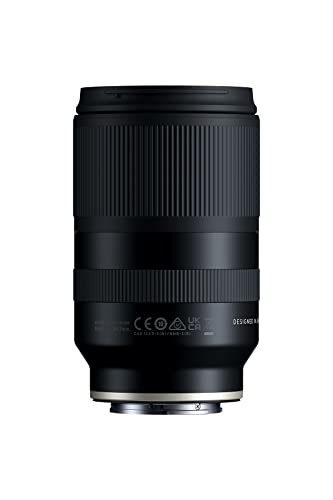
| Canon RF 24-70mm f/2.8L IS USM | Travel and mixed scenes | f/2.8 | Canon RF | Flexible focal range | View on Amazon |
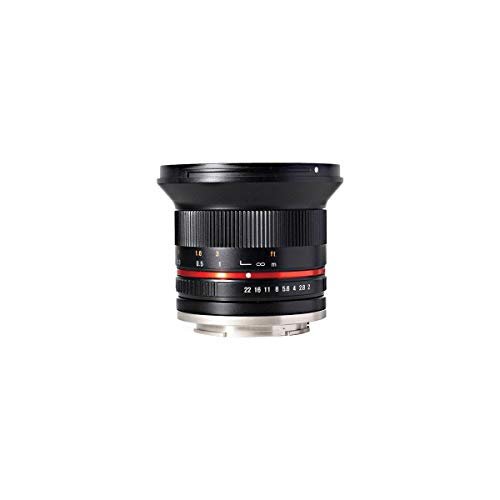
| Samyang AF 12mm f/2 RF-S | Budget wide-field work | f/2 | Canon RF-S | Small and affordable | View on Amazon |
Canon RF 14mm f/1.4L VCM Bundle

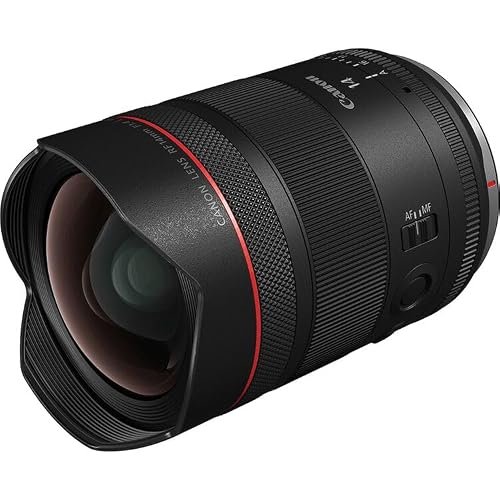
The Canon RF 14mm f/1.4L VCM is built for photographers who want a huge view of the night sky. Its 14mm focal length can include a large Milky Way arch, strong foreground lines, or a tall mountain beneath the stars. The f/1.4 aperture also gives the sensor more light than an f/2.8 zoom. That can help you use a lower ISO or a shorter shutter speed.
This lens also targets hybrid shooters. The VCM autofocus system is useful for video, while astrophotographers will often switch to manual focus and set the lens near infinity. The listed bundle adds practical accessories, but the lens remains the main reason to buy it. I would still test infinity focus in daylight and check star corners at full size before a major trip.
Pros:
- Very wide 14mm view for large sky scenes
- Bright f/1.4 aperture for dark locations
- Strong fit for Milky Way landscapes
- Modern autofocus design for hybrid use
- L-series positioning suggests a high level of optical design
- Wide perspective can reduce the need for many stitched frames
Cons:
- Premium lenses can cost more than a beginner expects
- 14mm can stretch people and objects near the frame edges
- Ultra-wide compositions need a strong foreground
- Very bright glass may be larger or heavier than a simple f/2.8 lens
What Amazon Buyers Are Saying
Buyer feedback for newer and premium lenses can change as more owners post long-term reviews. The main points to check are edge sharpness, flare, autofocus noise, size, and the accuracy of the infinity focus mark. Buyers who choose this type of lens usually value its wide view and fast aperture. Some may find the cost, bulk, or strong perspective less suitable for casual travel.
My Recommendation
I recommend this lens for full-frame Canon EOS R owners who place night-sky performance first. It is my leading choice when the goal is a bright, dramatic Milky Way frame rather than a general travel lens. Confirm the exact bundle contents and current seller details before ordering. For serious wide-field work, this is the best Canon RF lens for astrophotography in this comparison.
| Category | Rating |
|---|---|
| Night-sky brightness | 5/5 |
| Wide-field composition | 5/5 |
| Handling and versatility | 4/5 |
| Value | 4/5 |
| Overall Rating | 4.5/5 |
Canon RF 20mm f/1.4L VCM Lens
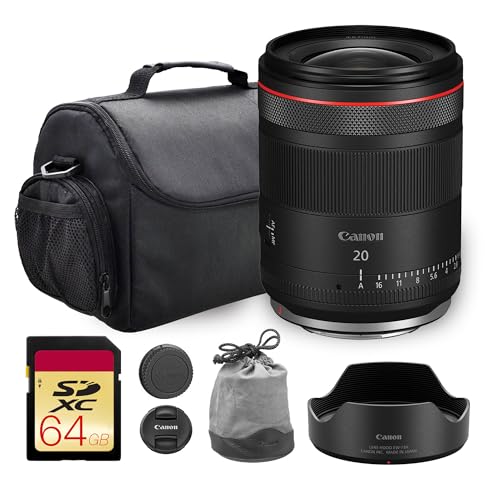
The Canon RF 20mm f/1.4L VCM gives astrophotographers a slightly tighter view than a 14mm lens. That small change matters. It makes the sky feel large while giving foreground objects more natural shape. The bright f/1.4 setting also suits dark-sky work, especially when you want stars to remain crisp during a short exposure.
I see this lens as a strong middle ground between an extreme ultra-wide and a standard lens. It can frame a cabin, tree, rock, or person without making the subject look too stretched. The included shoulder bag and memory card in this listing may appeal to new buyers, but I would check card speed and capacity for your camera. For serious work, I would use a trusted high-speed card and keep a spare.
Pros:
- Bright f/1.4 aperture for night photography
- 20mm view gives a natural balance of sky and land
- Useful for landscapes, architecture, and travel
- L-series design targets demanding image quality
- VCM autofocus supports photo and video use
- Less extreme perspective than a 14mm prime
Cons:
- Still a premium lens with a high purchase price
- 20mm may not capture a very wide Milky Way arch in one frame
- Accessory bundles can vary by seller
- Bright wide primes may require a larger camera bag
What Amazon Buyers Are Saying
When reviewing a listing like this, I would focus on verified comments about sharpness at f/1.4, corner stars, flare, and focus behavior. Buyers often appreciate a lens that works for both night landscapes and daytime scenes. The most useful feedback will show real images and name the camera body used. Comments about weight, filter use, or bundle quality are also worth reading because these details affect field work.
My Recommendation
This is an excellent option for photographers who want one bright wide prime without going as wide as 14mm. I prefer it for compositions with a clear foreground subject. It may be the better daily lens for some owners, even though the 14mm model wins for maximum sky coverage. I rate it highly as a balanced alternative for the best Canon RF lens for astrophotography.
| Category | Rating |
|---|---|
| Night-sky brightness | 5/5 |
| Composition balance | 5/5 |
| Daytime versatility | 4.5/5 |
| Value | 4/5 |
| Overall Rating | 4.5/5 |
Canon RF 14mm f/1.4L VCM Prime

This Canon RF 14mm f/1.4L VCM listing focuses on the lens itself and highlights VCM plus Nano USM autofocus. It also lists an iris ring, an 11-blade iris, fluorite and BR elements, and sealed construction. Those details matter to hybrid users who want smooth control and a lens that can handle careful outdoor use. For still astrophotography, the key points remain the 14mm view, f/1.4 aperture, and optical performance near the edges.
A 14mm lens can make a small foreground feel large and dramatic. That helps when you shoot from a narrow viewpoint or want to show a broad sky. The wide field also makes star movement less obvious during a fixed-camera exposure than it would be at a longer focal length, though you still need a suitable shutter speed. I would use manual focus, a sturdy tripod, and a two-second timer for the cleanest result.
Pros:
- Very wide view for sky and landscape scenes
- Fast f/1.4 aperture helps in low light
- VCM and Nano USM add hybrid shooting value
- 11-blade iris may create smooth out-of-focus highlights
- Listed sealing supports cautious outdoor use
- Fluorite and BR elements are useful premium optical features
Cons:
- Wide-angle distortion needs careful framing
- Premium optics may not suit a tight budget
- 14mm does not provide close views of planets
- Sealing does not remove the need for rain and dust care
What Amazon Buyers Are Saying
I would read buyer comments for practical reports on focus rings, iris control, corner detail, and use in damp locations. Review photos can reveal star shapes more clearly than short written comments. Buyers may like the bright aperture and professional build, while some may question the cost or need for such a wide view. Since listings and review counts can change, check the latest verified-purchase feedback before placing an order.
My Recommendation
This is a strong choice for photographers who want the features of a professional wide prime in a dedicated lens listing. I would choose it over a slower zoom when night work is the main goal. It is not a planet lens, and it cannot replace a longer focal length for deep-sky targets. For Milky Way scenes, it earns a 4.5 out of 5 from me.
| Category | Rating |
|---|---|
| Low-light potential | 5/5 |
| Build features | 4.5/5 |
| Astro composition | 5/5 |
| Value | 4/5 |
| Overall Rating | 4.5/5 |
Canon RF 24-70mm f/2.8L IS USM

The Canon RF 24-70mm f/2.8L IS USM is not my first pick for dedicated astrophotography, but it is one of the most useful all-around lenses here. Its zoom range covers wide environmental scenes, normal views, and short telephoto framing. The constant f/2.8 aperture works well for travel at night and for scenes that include people, buildings, or bright foreground lights. Its image stabilization helps with some handheld shots, but stabilization does not freeze stars during a long exposure.
This lens makes sense for a traveler who wants one lens for the whole trip. You can photograph a sunset, a city, a portrait, and a night landscape without changing lenses. At 24mm, it can capture a useful amount of sky, but it gathers less light than an f/1.4 prime. I would pair it with a tripod and use a wider prime later if astrophotography becomes your main subject.
Pros:
- Flexible 24-70mm focal range
- Constant f/2.8 aperture across the zoom
- Useful for travel, portraits, landscapes, and events
- L-series design fits demanding everyday use
- Image stabilization helps with non-star handheld scenes
- USM autofocus suits fast general photography
Cons:
- f/2.8 is slower than the prime lenses in this guide
- 24mm is less wide for large Milky Way arches
- Stabilization cannot stop star trails
- Large aperture primes may show cleaner stars at equal settings
What Amazon Buyers Are Saying
For this established type of Canon zoom, buyers commonly examine sharpness, autofocus, stabilization, weight, and value. I would pay close attention to comments from owners who use the lens on the same EOS R body as yours. Travel photographers often care about the wide-to-telephoto range, while astro users may focus on corner stars and low-light contrast. Look for repeated patterns rather than one unusually positive or negative comment.
My Recommendation
Buy this lens if you need one dependable RF zoom and only plan occasional night-sky work. Do not buy it as the pure performance winner for the best Canon RF lens for astrophotography. It gives up light and width to the f/1.4 primes, but it wins on daily usefulness. I rate it 4.2 out of 5 for mixed travel and night photography.
| Category | Rating |
|---|---|
| Astro performance | 3.5/5 |
| Everyday versatility | 5/5 |
| Autofocus and stabilization | 4.5/5 |
| Value as one-lens kit | 4.5/5 |
| Overall Rating | 4.2/5 |
Samyang AF 12mm f/2 RF-S

The Samyang AF 12mm f/2 is designed for Canon RF-S cameras, so it targets the smaller APS-C sensor format. Its 12mm focal length gives a very wide view on those bodies, which makes it useful for night landscapes, interiors, and city scenes. The f/2 aperture is bright enough for many beginner astro setups. Its compact design can also make it easier to carry on a hike.
Remember that RF-S compatibility matters. On an APS-C camera, the view is narrower than 12mm on full frame, but it still offers a broad scene. This lens is not the right direct choice for a full-frame EOS R body unless the camera supports crop operation and you accept the reduced image area. I like it for new photographers who want an affordable entry into the best Canon RF lens for astrophotography category without buying a large professional prime.
Pros:
- Very wide angle for compatible RF-S cameras
- Bright f/2 aperture for night scenes
- Autofocus adds convenience for daytime use
- Compact design suits travel and hiking
- Usually easier to justify for a starter kit than a premium L lens
- Works well for broad landscapes and architecture
Cons:
- Made for Canon RF-S rather than a full-frame-first setup
- f/2 gathers less light than an f/1.4 prime
- Third-party lens support and firmware may vary
- Ultra-wide scenes can show distortion at the edges
What Amazon Buyers Are Saying
For this lens, I would look for buyer notes about RF-S camera compatibility, autofocus accuracy, corner sharpness, and night focus. Compact size and wide coverage are often key reasons to consider it. The most useful reviews should identify the camera model and show landscape results. Before buying, check recent comments for firmware or compatibility concerns, since camera and lens software can change over time.
My Recommendation
I recommend this lens for Canon APS-C mirrorless owners who want a small, wide, and lower-cost astro lens. It does not match the light-gathering power of the f/1.4 L primes, but it can produce strong results with a tripod and careful editing. Check your camera mount before ordering. I rate it 4 out of 5 for value and beginner-friendly wide-field work.
| Category | Rating |
|---|---|
| RF-S compatibility value | 4.5/5 |
| Night-sky brightness | 4/5 |
| Portability | 4.5/5 |
| Build and system value | 4/5 |
| Overall Rating | 4/5 |
How to Choose the Best Canon RF Lens for Astrophotography
Choosing the best Canon RF lens for astrophotography depends on your camera, location, and style. A lens that works for a full-frame EOS R5 may not suit an RF-S body. I also suggest thinking about how often you shoot the stars. A dedicated prime gives more light, while a zoom may serve you better on normal trips.
1. Match the Lens to Your Canon Camera
First, check whether your camera uses a full-frame RF mount or an APS-C RF-S sensor. Full-frame cameras can use RF lenses without a crop caused by the sensor. RF-S cameras can use RF-S lenses and may also accept RF lenses, but the field of view changes because of the smaller sensor.
This difference affects your composition. A 12mm RF-S lens may look very wide on an APS-C body, yet it will not give the same view as a 12mm lens on full frame. Read the camera manual and the lens listing before you buy. A mount that fits physically may still not give the view you expect.
2. Prioritize Aperture, Corner Stars, and Focus
A bright aperture is one of the biggest advantages for night photography. An f/1.4 lens lets in more light than an f/2.8 lens at the same shutter speed and ISO. That can reduce noise or help keep stars more pinpoint. Still, the widest setting is not always the sharpest, so test f/1.4, f/2, and f/2.8 when you can.
Corner performance matters as much as center sharpness. Look for reviews that show the full frame. Stars near the corners should look like small points, not wings or smears. Coma, astigmatism, flare, and vignetting can affect a night image. Manual focus is also important. Use live view at high magnification, focus on a bright star, and do not trust the infinity mark without checking it.
3. Choose the Right Focal Length and Overall Value
Ultra-wide lenses from 12mm to 14mm can capture a lot of sky. They work well for Milky Way arches and large foregrounds. A 20mm lens gives the sky more presence and can make foreground subjects look more natural. A 24-70mm zoom provides much more flexibility, but its f/2.8 aperture is slower than the bright primes.
Also consider weight, filters, weather protection, autofocus, and price. If you hike to dark locations, a lighter lens may produce more useful photos because you will carry it more often. If you shoot near moisture, sealed construction helps, but it does not replace a rain cover. Finally, budget for a strong tripod, spare batteries, a headlamp with a red mode, and a fast memory card. These tools often improve your results as much as a small lens upgrade.
Final Verdict: Which Should You Buy?
For full-frame Canon EOS R owners, I choose the Canon RF 14mm f/1.4L VCM as the best Canon RF lens for astrophotography. The Canon RF 20mm f/1.4L is my close alternative for more natural foregrounds.
Choose the Samyang for RF-S value, or the RF 24-70mm f/2.8L when you need one lens for many subjects. Check mount, price, and current listing details before buying.
FAQs Of best canon rf lens for astrophotography
What is the best Canon RF lens for astrophotography?
The Canon RF 14mm f/1.4L VCM is my top choice for full-frame EOS R cameras. It combines a very wide view with a bright f/1.4 aperture.
Is a 14mm lens good for Milky Way photography?
Yes. A 14mm lens can capture a broad section of the Milky Way and a large foreground. Use a tripod and manual focus for the best result.
Is f/1.4 better than f/2.8 for astrophotography?
Usually, yes. An f/1.4 lens gathers more light than an f/2.8 lens. It may allow a lower ISO or a shorter shutter speed, but sharpness can vary at the widest setting.
Can I use the Samyang 12mm RF-S lens on a full-frame Canon camera?
Check the camera and lens specifications first. The lens is made for RF-S cameras, and a full-frame body may use a crop mode or may not support the lens as expected.
Does image stabilization stop star trails?
No. Stabilization helps reduce camera shake in handheld images. It does not freeze the movement of stars during a long exposure on a tripod.