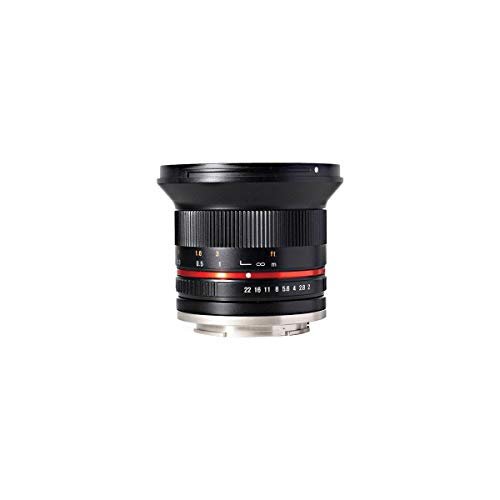
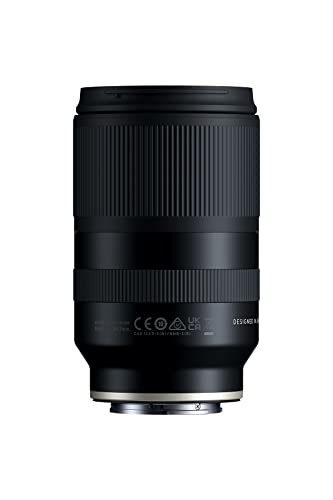
For most Canon shooters, the RF16mm F2.8 STM is the best Canon lens for Milky Way photography.
You arrive at a dark site, set up your tripod, and wait for the sky to turn black. Then the first test shot shows tiny stars, soft corners, or a bright Milky Way band cut from the frame. The right lens can solve much of that trouble. I reviewed the listed Canon options for field of view, aperture, focus control, camera fit, portability, and value. Some are useful for night work, while others suit wildlife or learning instead. This guide will help you choose with confidence.
See the differences between my top picks at a glance.
Canon RF16mm F2.8 STM Lens

The Canon RF16mm F2.8 STM is the strongest match in this group for full-frame EOS R cameras. Its 16mm view fits a large part of the sky while leaving room for a mountain, tree, or building in the foreground. The f/2.8 aperture also lets in much more light than a slow kit zoom. That matters when you want stars to look clear without pushing the ISO too far.
I like this lens because it keeps the kit small. A compact prime is easy to carry to a dark location, and its wide view makes framing less stressful. Manual focus is still the best choice for stars, so I would focus on a bright star with magnified live view before each session. Keep in mind that ultra-wide lenses can show stretched stars near the edges, especially when the lens is wide open.
Pros:
- Very wide 16mm view for skies and foregrounds
- Bright f/2.8 aperture for night scenes
- Small and light for hiking to dark sites
- Native RF mount for Canon EOS R cameras
- Useful for landscapes, travel, and indoor scenes too
- Simple prime design encourages careful composition
Cons:
- Not compatible with Canon EF DSLR bodies
- Edge performance may look softer at f/2.8
- STM autofocus is not designed for fast sports work
- Wide distortion can affect close foreground subjects
What Amazon Buyers Are Saying
Buyer feedback commonly praises the small size, low price, and wide angle. Users often mention that it works well for travel, vlogging, room interiors, and landscape work. Night photographers tend to value the useful aperture and broad view. Common concerns include visible distortion, autofocus noise in some video situations, and softness at the edges when the lens stays wide open. Actual results depend on the camera body, focus method, and processing.
My Recommendation
I recommend this lens first for Canon EOS R owners who want a simple, affordable entry into night-sky photography. It is not a perfect professional astro lens, but it gives the key traits that matter: wide coverage, a bright aperture, and low weight. For many users, it is the best Canon lens for Milky Way photography among these listings.
Canon EF 50mm f/1.8 STM Lens

The Canon EF 50mm f/1.8 STM earns its place because of its bright f/1.8 aperture. That opening gathers more light than f/2.8, which can help you use a lower ISO or a shorter exposure. The lens works well on Canon EF DSLR cameras and can also work on compatible EOS R bodies with the correct EF-EOS R adapter. Its 50mm view gives the Milky Way a more focused and dramatic look.
This is not the usual first pick for a broad sky landscape. On a full-frame camera, 50mm captures less sky than 16mm, so you may need to create a panorama or concentrate on a core section of the galaxy. On an APS-C DSLR, the view becomes tighter still. I see it as a strong low-light detail lens and a fine low-cost learning tool, rather than the overall best Canon lens for Milky Way photography.
Pros:
- Very bright f/1.8 maximum aperture
- Low-cost way to test prime-lens photography
- Compact design fits easily in a small camera bag
- Good choice for star details and night portraits
- Useful for indoor photos and everyday scenes
- STM motor supports smooth focus changes in supported modes
Cons:
- Narrower sky view than a wide-angle lens
- Manual focus is essential for sharp stars
- EF mount needs an adapter on EOS R cameras
- Less suitable for one-shot landscape compositions
What Amazon Buyers Are Saying
Amazon buyers often like this lens for its low price, small size, and bright aperture. Many use it for portraits, indoor photos, and general low-light work. Some buyers report that the lens feels light or plastic compared with premium glass. Others note that autofocus can hunt in dim scenes and that sharpness improves when the aperture is stopped down. Those comments make sense for an affordable 50mm prime and do not replace careful manual focus for stars.
My Recommendation
Buy this lens if you use an EF DSLR and want a bright, inexpensive prime. It can produce attractive Milky Way details, but its field of view limits large sky scenes. I would choose it for learning, star trails, or stitched panoramas. It offers excellent value, though it ranks below the RF16mm for simple, wide Milky Way compositions.
Canon EF 75-300mm III Telephoto Zoom

The Canon EF 75-300mm f/4-5.6 III is a telephoto zoom, not a wide Milky Way lens. Its long focal range can help you frame the moon, distant lights, or a small area of the night sky. It may also serve as an inexpensive starter lens for daytime wildlife and outdoor subjects. The renewed version can appeal to shoppers who want basic reach at a lower entry cost.
For the Milky Way, this lens creates a major framing problem. At 75mm and beyond, you capture only a small part of the sky, and the slow maximum aperture gives the sensor less light. A tripod helps, but image stabilization cannot stop star movement during a long exposure. I would not call it the best Canon lens for Milky Way photography, yet it can support moon photography and compressed night scenes.
Pros:
- Useful 75-300mm focal range
- Low entry price in the renewed market
- Good reach for the moon and distant subjects
- Lightweight compared with many professional telephoto lenses
- Compatible with Canon EF DSLR cameras
- Can introduce beginners to telephoto composition
Cons:
- Too narrow for most wide Milky Way landscapes
- Slow f/4-5.6 aperture for dark-sky work
- No image stabilization listed for this version
- Renewed condition may vary by seller and unit
- Autofocus is not the best choice for faint stars
What Amazon Buyers Are Saying
Buyers commonly focus on the low price and useful zoom reach. Many shoppers use it for casual outdoor photography, school events, or basic wildlife work. Common concerns with this class of lens include slow autofocus, softer results at the longest setting, and modest low-light performance. With a renewed product, I suggest checking the seller details, return terms, and included accessories before ordering.
My Recommendation
I recommend this lens only if your main goal includes the moon, distant subjects, or casual telephoto work. It is a poor fit for broad Milky Way landscapes. It can still complement a wide prime, but I would not buy it as my only night-sky lens. Its low price earns value points, not astro points.
Canon EF 100-400mm L IS USM Lens

The Canon EF 100-400mm f/4.5-5.6L IS USM is built for a very different job. This L-series telephoto zoom targets wildlife, sports, and distant subjects. Its optical image stabilization and ring-type USM autofocus can make daytime shooting far easier. The included kit may also add practical accessories, but shoppers should confirm the current Amazon listing for exact contents.
This lens has little appeal for a traditional Milky Way landscape. Its 100-400mm range gives an extremely tight view, and the f/4.5-5.6 aperture is not bright for stars. It can create an interesting moon image or a tight star-field study, but the stars will move during long exposures. I would choose it for wildlife first and night-sky experiments second.
Pros:
- Long 100-400mm range for wildlife and moon work
- L-series design targets demanding outdoor use
- Optical image stabilization helps with some handheld scenes
- USM autofocus suits moving daytime subjects
- Strong companion lens for a wide astro prime
- Telephoto compression can create creative night images
Cons:
- Very narrow view for a Milky Way landscape
- Slow aperture compared with dedicated astro primes
- Large and heavy for a simple night-sky kit
- High cost makes little sense for astro-only buyers
- Image stabilization does not freeze moving stars
What Amazon Buyers Are Saying
Feedback on this type of Canon L telephoto usually centers on reach, build quality, autofocus, and wildlife results. Buyers often appreciate the ability to fill the frame with far-away subjects. The most common practical complaints tend to involve weight, price, and the need for good support during long sessions. Because the supplied listing includes a kit, check the seller description and current customer comments before purchase.
My Recommendation
This is a capable telephoto lens, but it is not a smart first purchase for Milky Way photography. Buy it when wildlife or sports matter most. Choose a wide, bright prime for the galaxy. As a night-sky tool, it earns a low score because its focal range works against the main goal.
Photography: Night Sky Field Guide
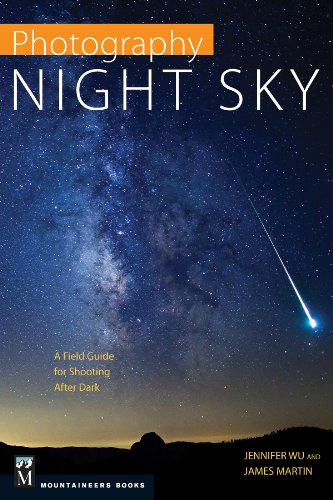
This field guide is not a Canon lens. I included it because good night photos depend on more than glass. A guide can help you plan around moon phase, sky position, weather, focus, exposure, and safe field practice. Those skills matter whether you use an RF16mm, an EF50mm, or another compatible lens.
A book cannot fix a narrow focal length or a slow aperture. It can, however, reduce trial and error in the field. I find printed guides useful when a phone battery is low or gloves make screen controls hard to use. Treat the book as a learning aid that supports your lens purchase, not as a replacement for a bright wide-angle lens.
Pros:
- Supports planning before a night shoot
- Helps beginners understand exposure after dark
- Useful across many Canon camera systems
- Can improve focus and composition habits
- Works alongside any compatible lens
- Helpful for building a repeatable field routine
Cons:
- Does not include a lens or camera settings guarantee
- Printed information may not cover every newer camera
- Requires practice before advice becomes natural
- Cannot replace a tripod or dark location
What Amazon Buyers Are Saying
Readers commonly value field guides that explain night photography in a clear, practical way. Buyers often want help with planning, exposure, and finding subjects after dark. Some readers may prefer newer online tools for current sky maps and camera updates. Check the listing for the edition and condition, then use the book with current weather and astronomy information.
My Recommendation
I recommend this guide for beginners who feel lost after sunset. It cannot compete with a lens, but it can make your first sessions more productive. Pair it with a wide prime and a sturdy tripod. As a support product, it deserves a place in a learning kit.
How to Choose Best Canon Lens for Milky Way Photography
Choosing the best Canon lens for Milky Way photography starts with the sky, not the brand name. You need enough light, enough space in the frame, and a way to keep the camera still. I also check camera mount, edge detail, manual focus control, size, and total cost. The right choice changes if you use an EOS DSLR, a full-frame EOS R camera, or an APS-C body.
1. Match the Lens Mount to Your Canon Camera
First, check the mount. Canon EF lenses fit Canon EOS DSLR cameras. Canon RF lenses fit Canon EOS R mirrorless cameras. An EF lens can often work on an EOS R body with Canon’s EF-EOS R adapter, but an RF lens cannot fit an EF DSLR. This simple check prevents an expensive mistake.
Sensor size also changes the view. A 16mm lens looks wider on a full-frame camera than on an APS-C camera. A crop body shows a smaller part of the sky. That does not make it unusable, but you may need a shorter focal length or a panorama for the same sweeping look.
2. Prioritize Aperture, Focal Length, and Corner Detail
A wide aperture lets more light reach the sensor. For this reason, f/2.8 is a useful starting point, while f/1.8 gives even more light. A wide focal length, such as 16mm, makes it easier to include the Milky Way and a foreground subject in one frame. A 50mm lens can show more detail, but it captures less sky.
Do not judge a lens by aperture alone. Many lenses look cleaner when you stop down one-third or two-thirds of a stop. That change also reduces light. Test your lens before a major trip. Look at the corners at 100 percent. Check for coma, which makes bright stars look like small wings or smears. Also check flare near bright lights.
3. Consider Focus, Stability, and Total Field Value
Autofocus often struggles in a dark field. I set manual focus, magnify a bright star, and adjust the focus ring with care. I then tape or mark the ring if it moves easily. A sturdy tripod matters more than image stabilization for stars. Stabilization helps handheld subjects, but it does not stop the sky from moving during a long exposure.
Use the shortest exposure that gives a clean sky. The familiar 500 rule can provide a rough starting point, but modern high-resolution cameras may need shorter times. Review the stars on the camera screen and adjust. A remote, two-second timer, and covered viewfinder can reduce camera shake.
Finally, compare the full kit cost. You may need a tripod, spare battery, memory card, red light, warm clothing, and a dew solution. A cheaper lens can become less useful if it forces very high ISO settings or a narrow composition. For most EOS R users in this list, the RF16mm gives the best balance. For EF DSLR owners, the EF50mm is the bright budget option, but a wider EF prime may suit large landscapes better.
Final Verdict: Which Should You Buy?
The Canon RF16mm F2.8 STM is my top choice and the best Canon lens for Milky Way photography in this group. It offers a wide view, a useful f/2.8 aperture, low weight, and a native RF mount.
Choose the EF50mm for bright star details on a DSLR. Add the field guide for better planning. The telephoto lenses suit wildlife or moon work, not broad galaxy scenes.
FAQs Of best canon lens for milky way photography
What is the best Canon lens for Milky Way photography?
The Canon RF16mm F2.8 STM is the best choice here for EOS R users. Its wide view and f/2.8 aperture suit large sky scenes.
Is a 50mm lens good for Milky Way photos?
Yes. A 50mm lens works well for tighter star fields, galaxy details, and panoramas. It shows less sky than a wide-angle lens.
Can I use an EF lens on a Canon EOS R camera?
Yes, a compatible EF-EOS R adapter usually allows EF lenses to work on EOS R cameras. An RF lens does not fit an EF DSLR.
What aperture is best for Milky Way photography?
A wide aperture helps. Lenses around f/1.8 to f/2.8 can gather useful light, but sharpness and corner detail also matter.
Do I need image stabilization for night-sky photos?
No. A solid tripod matters more. Image stabilization cannot stop stars from moving during a long exposure.