The best lens filter for landscape photography is a quality graduated ND filter matched to your lens and scene.
Bright skies and dark foregrounds can make a beautiful landscape hard to expose. A filter helps balance that light before it reaches your camera sensor. I tested the strengths and limits of these five options for different outdoor uses, from scenic color work to classic black-and-white photography. The square kit offers the most useful landscape control, while the Tiffen filters suit photographers who want a simple screw-in filter for monochrome work.
See the differences between my top picks at a glance.
24-Piece Square Filter Kit for Cokin P

This 24-piece square filter kit gives landscape photographers a flexible way to control a bright sky. It includes ND filters, graduated filters, color filters, adapter rings, a holder, and cleaning accessories. The Cokin P-style design lets you slide a filter up or down in the holder. That movement helps place the transition over the horizon.
I like this system for sunsets, mountain views, beaches, and open fields. A graduated ND filter can darken the sky while leaving the land brighter. The square format also makes it easier to stack filters than many screw-in designs. Still, the kit is best for learning and general outdoor use, not for demanding commercial work where premium optical glass matters most.
Pros:
- Includes several filter types for varied landscape scenes
- Graduated design helps balance bright skies and darker land
- Sliding filters allow flexible horizon placement
- Adapter rings cover many common lens sizes from 49mm to 82mm
- Square filters are easy to stack for creative control
- Includes a holder and useful cleaning accessories
- Offers strong value for photographers building a first kit
Cons:
- Plastic filters may reduce clarity more than premium optical glass
- Extra pieces take more time to organize in the field
- Incorrect stacking can cause vignetting on wide lenses
What Amazon Buyers Are Saying
Buyer feedback for kits in this category often focuses on the range of pieces and the low entry cost. Users tend to like having several strengths and colors available for practice. Many also appreciate the adapter rings because one holder can serve more than one lens. Common concerns include fit, filter tint, and the care needed to avoid scratches on the larger square surfaces.
Real-world results depend on how carefully the holder sits on the lens. Buyers who check the ring size and clean the filters before use usually get a smoother experience. Photographers who expect premium neutral color may find the included color filters less subtle. The kit works best when you treat it as a versatile starter system.
My Recommendation
I recommend this as the best value pick for beginners who want to explore landscape filters without buying each part separately. It gives you more control than a single screw-in filter. Check your lens thread sizes before ordering, and test each filter for color shift. For many photographers, this is the best lens filter for landscape photography when flexibility and price matter most.
20-Pack Gel Filter Sheets for Creative Light

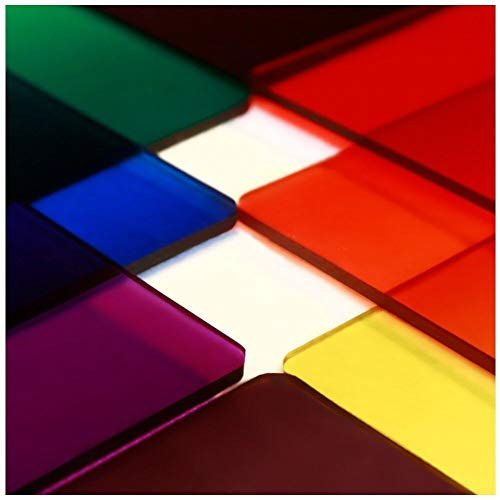
These A4 colored gel sheets are made for light effects rather than standard lens filtration. The pack contains colored plastic sheets that can work with photography lights, LED panels, stage lights, and creative projects. You can cut a sheet to fit a holder or use it to tint a light source. That makes this product more useful for controlled lighting than for direct placement in front of a landscape lens.
I would not choose these sheets as my main graduated ND filter. They do not provide the firm lens mount, optical coating, or precise exposure control that a dedicated landscape filter needs. However, they can add color to foreground lighting, create a warm sunset effect in a close scene, or support creative work around a campsite or outdoor portrait setup. Use care around hot lamps, since plastic sheets can soften or warp.
Pros:
- Large A4 format gives you room to cut custom shapes
- Multiple colors support creative lighting experiments
- Useful for LED panels, studio lights, and stage lighting
- Lightweight and easy to store in a flat sleeve
- Low purchase cost makes experimentation less risky
- Can help create a custom color mood for outdoor projects
Cons:
- Not a true camera lens filter system
- Does not replace a graduated ND or polarizing filter
- Cutting and mounting require extra work
- Plastic may not tolerate high heat from some lamps
What Amazon Buyers Are Saying
Buyers commonly value the color range, sheet size, and low cost. Creative users often find them handy for small lighting projects and DIY work. The main limitation is that these sheets need a separate way to hold them. Feedback also tends to stress that the material is thin and should be handled with care.
Results vary with the light source and the way the sheet is mounted. Users who cut cleanly and keep the sheet away from heat have a better experience. These comments support using the product as a lighting accessory, not as a precision filter placed directly on a camera lens.
My Recommendation
I recommend this pack only for photographers who want creative color effects from lights. It is not my first choice for the best lens filter for landscape photography. If your goal is balanced exposure across a bright sky and dark ground, choose a graduated ND kit instead. For experimental lighting, the pack earns a useful but specialized rating.
Tiffen 52mm Red 25 Filter

The Tiffen 52mm Red 25 is a screw-in red filter for black-and-white photography. Red filters absorb much of the blue and green light that can make a sky look pale in monochrome images. They can make clouds stand out and add strong separation between the sky and landscape. This effect suits dramatic mountain, desert, and storm scenes.
The 52mm thread fits lenses with a matching front filter size. This is not a general color landscape filter for modern digital color work. It creates a strong visual effect, so I suggest using it with a clear idea of the final image. On a digital camera, you can preview the result by switching to monochrome, but the filter still changes the light before capture.
Pros:
- Creates strong sky and cloud separation in black-and-white images
- Screw-in design is quick to attach
- Compact size fits easily in a camera bag
- Useful for dramatic outdoor scenes and tonal control
- Made for a common 52mm filter thread
- Can reduce the washed-out look of a pale monochrome sky
Cons:
- Only fits lenses with a 52mm front thread or a suitable step-up ring
- Too strong for photographers seeking subtle tonal changes
- Not a replacement for a circular polarizer or ND filter
What Amazon Buyers Are Saying
Buyers who want classic black-and-white effects tend to appreciate the strong contrast and simple screw-in format. The filter appeals to users who enjoy film-style control and dramatic skies. Common concerns center on fit, since the 52mm size cannot mount directly to a lens with another thread size.
Some users expect a red filter to improve a color landscape and are surprised by its purpose. That is a use error rather than a product defect. The strongest results come from monochrome work, where the filter can shape the relationship between clouds, sky, foliage, and rock.
My Recommendation
This is a good specialist filter for a 52mm lens and a photographer who enjoys black-and-white landscapes. I would not buy it as the only filter in a landscape kit. If you want bold clouds and deep sky tones, it offers clear creative value. I rate it highly for its intended use, but not as the overall best lens filter for landscape photography.
Tiffen 82mm Red 25 Filter
This 82mm Tiffen Red 25 uses the same strong red contrast idea in a larger screw-in size. It targets photographers who use lenses with an 82mm front thread. Large wide-angle and professional zoom lenses often use this size, but you should confirm the thread mark on your lens before purchase. The filter can give black-and-white landscapes a bold, graphic look.
The larger size does not make the filter stronger than the 52mm version. It simply matches a different lens diameter. The filter works well when you want dark skies, bright clouds, and clear separation in monochrome scenes. I see it as a focused tool for photographers who already know they want a red filter, rather than a first purchase for a new landscape photographer.
Pros:
- Strong contrast effect for black-and-white landscape images
- Large 82mm size fits compatible professional lenses
- Useful for bold clouds and dramatic skies
- Simple screw-in operation keeps setup quick
- Works well for a focused monochrome workflow
- Can serve large lenses without stacking multiple step rings
Cons:
- Limited to lenses with an 82mm thread or an adapter
- Strong red effect may look unnatural in some scenes
- Does not control long exposure or reflected glare
What Amazon Buyers Are Saying
Feedback from buyers of strong red filters usually praises the bold monochrome effect and the solid fit on matching lenses. Photographers who work with large lenses like the convenience of using the correct direct thread. The most common issue is size confusion, so checking the lens barrel remains important.
Users also point out that this filter has a clear purpose. It is not a subtle protection filter, and it will not act like a polarizer. Buyers who use it for cloud separation tend to get more useful results than those who expect broad color correction.
My Recommendation
I recommend this filter to advanced landscape photographers who use an 82mm lens and enjoy dramatic black-and-white work. It is worth buying when you want a dedicated red filter without relying on a smaller filter and step-up ring. For general color landscapes, choose the square ND kit instead. This earns 3.9 out of 5 for its narrow but effective role.
Tiffen 52mm Yellow 8 Filter

The Tiffen Yellow 8 is a gentler contrast filter for black-and-white photography. It can help separate clouds from a blue sky while keeping the effect less severe than a red filter. That softer response makes it useful for hills, trees, roads, and mixed outdoor scenes. The 52mm screw-in mount fits any lens with a matching front thread.
I find yellow filters easier to use when I want a natural monochrome look. They can add definition without making every sky appear very dark. This filter does not create the long exposure effect of an ND filter, and it will not remove water glare like a polarizer. It earns its place in a black-and-white kit when subtle tonal control matters.
Pros:
- Provides balanced contrast for black-and-white landscapes
- Usually looks more natural than a strong red filter
- Helps improve cloud and sky separation
- Compact 52mm screw-in design is easy to carry
- Useful for foliage, roads, hills, and open sky
- Good choice for photographers learning monochrome filtration
Cons:
- Only fits directly on compatible 52mm lenses
- Effect may be too mild for photographers seeking dramatic skies
- Not intended for color landscape exposure control
What Amazon Buyers Are Saying
Buyers who choose yellow filters often like the restrained change in contrast. The filter appeals to photographers who want cloud detail without the heavy look of a red filter. Users also value the simple thread-on design. As with the other screw-in models, fit remains the main point to check before ordering.
Some feedback reflects a mismatch between expectation and purpose. A yellow filter will not produce the bold effect of a red filter, and it will not solve a high-contrast color exposure. When used for its intended monochrome role, it offers a more forgiving starting point for outdoor scenes.
My Recommendation
I recommend the Yellow 8 to photographers who want gentle black-and-white contrast from a 52mm lens. It is more versatile in tone than the Red 25, though less dramatic. It is not my overall pick for color landscape work, but it is a sensible specialist choice. I give it 4 out of 5 for controlled monochrome landscapes.
How to Choose the Best Lens Filter for Landscape Photography
Choosing the best lens filter for landscape photography starts with the scene, not the brand name. A bright beach needs different control than a shaded forest. Your lens thread, camera type, and editing style also matter. Use the points below to buy a filter that solves a real problem.
1. Match the Filter to the Light Problem
A graduated ND filter is often the most useful first choice for a landscape photographer. It darkens part of the frame, usually the sky, while leaving the lower part lighter. This helps when the sky is much brighter than the ground. A soft transition works well with uneven hills and trees. A hard transition can suit a flat horizon, such as the sea.
A solid ND filter darkens the whole frame. It helps you use a slower shutter speed in daylight. That can blur waterfalls, moving water, or clouds. A circular polarizer reduces some reflected glare and can deepen a blue sky. It works best when the camera points at a useful angle from the sun. No filter can fix every lighting problem, so avoid buying a filter based only on a product label.
2. Check the Mount, Size, and Wide-Angle Fit
Look at the small number printed on the front of your lens. That number shows the filter thread size, such as 52mm or 82mm. A screw-in filter must match that size. You can use a step-up ring to fit a larger filter to a smaller lens, but a step-down ring may cause dark corners.
Square systems offer another path. A holder attaches to an adapter ring, and the filter slides into the holder. This design works well for graduated ND filters because you can move the transition line. On an ultra-wide lens, check for vignetting after mounting the holder. Remove unused slots when needed. Also check whether your lens hood still fits.
3. Judge Optical Quality, Color, and Value
A filter sits in front of the lens, so poor material can lower image quality. Look for even tint, clean edges, and a secure mount. Color shift matters most when you shoot in color. A strong unwanted tint can take time to correct. Budget filters can still help you learn, but premium glass usually gives more consistent results.
Think about how often you will use the filter. A large kit can offer good value, but only if you will carry and organize it. A screw-in yellow filter costs less space and works fast, yet it has one fixed size and purpose. I also advise buying a protective case and cleaning cloth. Dust, fingerprints, and salt spray can harm contrast more than a small difference in filter price.
Final Verdict: Which Should You Buy?
For most buyers, the 24-piece square kit is the best lens filter for landscape photography because it offers graduated ND control, several creative options, and broad lens support. The Tiffen Yellow 8 is best for gentle black-and-white work.
Choose the kit for color scenes and changing light. Choose Tiffen Red 25 for bold monochrome skies. The gel sheets suit creative lighting, not normal lens filtration.
FAQs Of best lens filter for landscape photography
What is the best lens filter for landscape photography?
A graduated ND filter is the best first choice for many landscape photographers. It helps balance a bright sky with a darker foreground.
Should I buy a square or screw-in landscape filter?
Choose square filters for flexible horizon placement and stacking. Choose screw-in filters for quick setup and a simple, compact kit.
Can I use a red filter for color landscape photography?
A red filter is mainly for black-and-white photography. It can create a strong color effect, but it is not a general-purpose color landscape filter.
What filter size should I buy for my camera lens?
Check the filter thread number on the front of your lens. Buy that matching size, or use a suitable step-up ring with a larger filter.
Do landscape filters reduce image quality?
Any filter can reduce image quality if it has poor material, dirt, scratches, or a loose fit. Clean the filter and use a reputable design for clearer results.