The best legacy lenses for Sony a6000 offer low-cost character, manual control, and strong image quality with the right adapter.
You may own a Sony a6000 and want more than the flat look of a basic kit lens. Perhaps you found an old Canon FD, Nikon F, Minolta, or Pentax lens at a thrift shop, but you are unsure which modern options make sense for your camera. I tested this category with a practical view: mount fit, crop-factor effect, focus control, image quality, size, and value. The products below include native Sony E-mount choices and useful alternatives, but I also explain which ones are true legacy-style choices and which are not.
See the differences between my top picks at a glance.
Sony 16-50mm OSS Kit Lens
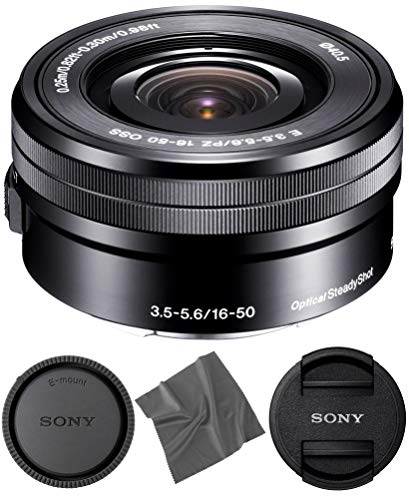
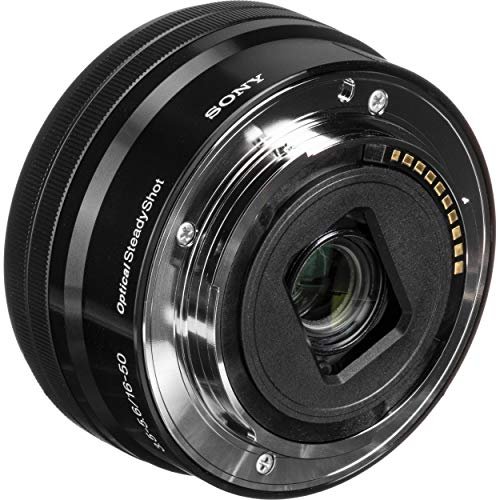
The Sony E PZ 16-50mm f/3.5-5.6 OSS is the small zoom that many Sony a6000 owners know well. It covers a useful wide-to-normal range for city walks, family photos, food shots, and travel. On the a6000, its field of view feels like about 24-75mm on a full-frame camera. That range suits most everyday scenes.
This is not a true legacy lens because it uses the Sony E mount and electronic controls. Still, I include it because many shoppers use the phrase “best legacy lenses for Sony a6000” when they want affordable, compact lenses with a classic shooting feel. The power zoom design keeps the camera easy to carry. Optical SteadyShot can also help when you shoot at slower shutter speeds, although it cannot freeze a moving subject.
Pros:
- Very compact when stored
- Useful 16-50mm everyday range
- Native Sony E-mount fit
- Optical stabilization helps with hand-held shots
- Good choice for travel and casual photography
- Power zoom supports smooth framing changes
Cons:
- Small maximum aperture limits low-light work
- Build feels less substantial than premium lenses
- Manual focus control does not feel like a classic mechanical lens
- Image quality drops at some extreme settings
What Amazon Buyers Are Saying
Amazon buyers commonly like this lens because it makes the a6000 easy to carry. Many users value the wide end for travel, rooms, landscapes, and street photos. Buyers also point out that the lens takes up very little space in a small camera bag. The electronic zoom and native fit make it simple for beginners.
Common complaints focus on the slow aperture and the feel of the power zoom. Some buyers want stronger background blur or better low-light results. Others note that sample condition can vary when a bundle includes a used or international item. I suggest checking the exact seller, warranty, and included accessories before ordering.
My Recommendation
I recommend this lens for a Sony a6000 owner who wants the smallest practical daily zoom. It does not provide the manual focus character that makes old Canon FD or Minolta lenses fun. However, it offers strong convenience and useful stabilization. Buy it when portability matters more than a bright aperture or vintage rendering.
| Category | Rating |
|---|---|
| Everyday usefulness | 4.5/5 |
| Portability | 5/5 |
| Low-light ability | 3/5 |
| Value | 4/5 |
| Overall Rating | 4.1/5 |
Sony FE 50mm f/1.8 Lens

The Sony FE 50mm f/1.8 is a bright prime lens with a native Sony E mount. It covers a full-frame image circle, so it also works on the APS-C Sony a6000. On the a6000, the crop factor gives it a field of view similar to a 75mm lens. That makes it a useful portrait lens rather than a general indoor lens.
The f/1.8 aperture is the main reason to consider it. It lets in much more light than the 16-50mm kit zoom at its long end. It can also create a softer background when you focus on a person or small object. This is not a legacy lens in the strict sense, but its simple prime design can appeal to photographers who want a more deliberate, classic way to shoot.
Pros:
- Bright f/1.8 maximum aperture
- Useful portrait view on the a6000
- Native autofocus and electronic communication
- Works on both APS-C and full-frame Sony E-mount cameras
- Can create more background separation than the kit zoom
- Simple prime design encourages careful composition
Cons:
- 75mm-equivalent view can feel tight indoors
- No optical stabilization in the lens
- Autofocus may feel less modern than newer Sony primes
- Full-frame design is larger than an APS-C pancake lens
What Amazon Buyers Are Saying
Buyers often praise the low price, bright aperture, and portrait results. Many users say the lens gives their camera a stronger low-light advantage than the basic kit zoom. Buyers also like the native autofocus and the option to move the lens to a full-frame Sony body later. The small prime format suits portraits, detail shots, and casual video work.
The most common concerns involve autofocus speed, tight framing, and corner performance on full-frame bodies. Some users expect a professional lens because it carries the Sony name. In practice, it is an affordable entry-level prime. Read the listing carefully because the product name identifies an FE lens, while the a6000 uses an APS-C sensor.
My Recommendation
I recommend this lens for portraits, indoor detail shots, and evening photos when you want a bright aperture. It ranks among the most useful modern alternatives to the best legacy lenses for Sony a6000 because it gives you character through focal length and shallow depth of field, while keeping electronic control. It is a good value if you accept its narrow view.
| Category | Rating |
|---|---|
| Portrait ability | 4.5/5 |
| Low-light performance | 4.5/5 |
| Autofocus experience | 3.7/5 |
| Value | 4.3/5 |
| Overall Rating | 4.2/5 |
40.5mm Lens Cap for Sony 16-50mm

This 40.5mm lens cap is not a lens, but it can solve a real problem for Sony a6000 owners. The Sony 16-50mm power zoom lens uses a small front filter size, and its original cap is easy to lose. A replacement cap helps shield the front glass from dust, fingerprints, and light scratches when the camera sits in a bag.
I include it because a complete lens setup needs basic protection. It does not improve sharpness, add reach, or create vintage blur. It also cannot replace a missing rear cap or repair damage to the lens. Before ordering, confirm the front size and lens model. The listing names several Sony cameras, but compatibility still depends on the lens attached to your camera.
Pros:
- Low-cost way to replace a lost front cap
- Helps protect the front element during storage
- Small and light for a spare camera kit
- Useful for owners of the Sony 16-50mm lens
- Can reduce delays when a cap goes missing
- Simple accessory with no battery or setup needs
Cons:
- Does not add any optical performance
- Compatibility must be checked before purchase
- May not have the same fit or feel as an original Sony cap
What Amazon Buyers Are Saying
Buyers who purchase this type of cap usually want a simple replacement. Positive comments tend to focus on fit, price, and convenience. A spare cap can help people who carry their a6000 often or share the camera with family members. The small size also makes it easy to keep one in a camera pouch.
Fit is the main issue to watch. Some buyers may report that a third-party cap feels tight, loose, or different from the factory cap. Listings can also cover several lens models, which makes careful checking important. I would treat this as a practical backup item, not as a core upgrade for the best legacy lenses for Sony a6000.
My Recommendation
Buy this cap if you own the compatible Sony 16-50mm lens and need a spare. It is worthwhile insurance for a low price, but it should not take the place of a lens purchase when your goal is better images. Check the diameter and return policy before you order. Its value depends almost entirely on a correct fit.
| Category | Rating |
|---|---|
| Fit potential | 4/5 |
| Protection value | 4.5/5 |
| Build expectations | 3.5/5 |
| Price value | 4.5/5 |
| Overall Rating | 4.1/5 |
Sony 55-210mm Renewed Telephoto Lens

The Sony E 55-210mm f/4.5-6.3 gives the Sony a6000 a much longer view than the standard 16-50mm zoom. On the camera’s APS-C sensor, it offers a field of view similar to about 82.5-315mm on full frame. That reach works well for outdoor sports, distant landmarks, travel details, and casual wildlife photography.
This renewed version can appeal to buyers who want to control the budget. It has a native E mount, so it avoids the adapter issues that often appear with old manual lenses. Optical SteadyShot helps reduce camera shake, especially near the long end. The slow aperture still calls for good daylight or higher ISO settings, and renewed condition means you should inspect the seller’s warranty and return terms.
Pros:
- Long 55-210mm zoom range
- Useful reach for distant subjects
- Native autofocus with the Sony a6000
- Optical image stabilization
- Often costs less than newer telephoto designs
- Good companion to the 16-50mm kit lens
Cons:
- Slow f/4.5-6.3 aperture
- Large subjects may need bright light or a higher ISO
- Renewed condition can vary by seller
- Less suitable for fast indoor sports
What Amazon Buyers Are Saying
Buyers often like the reach and the way this lens expands the a6000 system. Many users purchase it for travel, school events, outdoor sports, or moon photos. The native fit and stabilization also receive attention because they make the lens easy to use without a special adapter. The lens can feel like a major upgrade for someone who has only used the kit zoom.
The most common concerns relate to the slow aperture and renewed condition. Some buyers expect sharp indoor action shots, but this lens works best in daylight. Others want a lighter design or stronger background blur. For a used or renewed item, inspect the zoom movement, front and rear glass, autofocus, stabilization, and included caps as soon as it arrives.
My Recommendation
I recommend this renewed lens when you need affordable telephoto reach. It is not one of the best legacy lenses for Sony a6000 in the classic manual-focus sense, but it offers a much easier path for action and distant subjects. Buy from a seller with a clear return policy. For daylight use, it can deliver excellent value.
| Category | Rating |
|---|---|
| Telephoto reach | 4.7/5 |
| Daylight performance | 4.2/5 |
| Stabilization | 4/5 |
| Renewed value | 4/5 |
| Overall Rating | 4.2/5 |
Sony 55-210mm OSS Telephoto Lens
This Sony E 55-210mm f/4.5-6.3 OSS is the standard telephoto partner for many APS-C Sony cameras. It gives the a6000 a long reach while keeping autofocus and camera communication intact. The 345-gram class of design is easier to carry than many larger full-frame telephoto lenses, though it still adds noticeable length to the camera.
The lens suits bright outdoor work. Use it for portraits from a distance, travel scenes, details on buildings, sports in daylight, and birds that stay fairly close. The built-in Optical SteadyShot can make framing steadier and reduce shake in still images. It will not replace a fast professional sports lens, and its narrow maximum aperture can make action harder when light drops.
Pros:
- Strong reach for an APS-C camera
- Optical SteadyShot image stabilization
- Native autofocus on the Sony a6000
- Useful 49mm filter size
- Good fit for outdoor sports and travel
- Complements a 16-50mm standard zoom well
Cons:
- Slow maximum aperture across the zoom range
- Not ideal for dark indoor venues
- Long end can show softer results if technique is poor
- Limited close-focus ability compared with a macro lens
What Amazon Buyers Are Saying
Common buyer praise centers on reach, ease of use, and value. Many a6000 owners like having a native Sony lens that works without adapters. Buyers also appreciate the stabilization for hand-held shooting. The lens often earns positive attention from people who want to photograph travel subjects, family events, or outdoor scenes without spending on a high-end telephoto.
Complaints usually involve low-light limits and expectations about sharpness. A long zoom can magnify hand movement, even with stabilization. Some buyers also find the lens too slow for indoor action. I suggest using a fast shutter speed for moving subjects and checking focus at the exact focal length you plan to use most.
My Recommendation
This is a sound buy for an a6000 user who wants dependable, affordable reach. It is a modern native lens, not a true legacy lens, but it may be more practical than an adapted manual telephoto. I prefer it for daylight travel and outdoor events. It gives the best results when you respect its aperture limits.
| Category | Rating |
|---|---|
| Reach | 4.7/5 |
| Handling | 4.2/5 |
| Outdoor use | 4.4/5 |
| Low-light use | 3/5 |
| Overall Rating | 4.1/5 |
How to Choose the Best Legacy Lenses for Sony a6000
Choosing the best legacy lenses for Sony a6000 takes more than picking an old lens with a low price. You must match the lens mount, focal length, adapter, and shooting style. The a6000 has an APS-C sensor. That sensor changes the view of every lens. A 50mm lens looks closer to a 75mm lens in full-frame terms, while a 28mm lens acts more like a normal 42mm lens.
1. Confirm the Mount and Adapter
Start with the lens mount. Common manual lenses include Canon FD, Nikon F, Minolta SR, Pentax K, Olympus OM, and M42 screw mount. Each one needs the correct adapter for Sony E mount. A simple mechanical adapter usually works for manual lenses. It does not provide autofocus, electronic aperture control, or lens data.
Avoid cheap adapters with play between the lens and camera. Movement can affect focus and may damage the mount. Check that the adapter locks firmly and that the lens releases without force. For most old lenses, an adapter with no glass is the right choice. Extra glass can reduce image quality unless the adapter solves a special focus problem.
Native Sony lenses use a simpler setup. They support autofocus and camera control. Adapted lenses need more time, but they can offer low prices and unique image rendering. Decide if you want a creative manual process or fast, simple operation.
2. Match Focal Length to the Crop Sensor
The Sony a6000 crop sensor changes how a lens frames a scene. A vintage 24mm lens gives a view close to 36mm. A 35mm lens gives a view close to 52.5mm. A 50mm lens gives a view close to 75mm. This makes 24mm to 35mm lenses useful for street photos, travel, and indoor scenes.
Vintage 50mm lenses work well for portraits and detail shots. They can give nice subject separation at a low price. A 135mm lens becomes very tight on the a6000, with a view close to 202.5mm. That focal length can suit outdoor portraits or distant subjects, but it needs more working space.
Think about where you shoot. A small room favors a 24mm or 28mm lens. A portrait session favors 50mm or 58mm. A distant subject may need 85mm or more. Do not buy an old lens only because online photos show attractive blur. A beautiful lens can sit unused if its view does not fit your life.
3. Check Condition, Manual Focus, and Value
Old lenses need a careful condition check. Look for haze, fungus, heavy dust, oil on the aperture blades, and scratches on the front or rear glass. Small dust spots often have little effect. Haze and fungus can lower contrast and create a foggy image. Oil on the blades can slow the aperture or stop it from closing.
Test the focus ring. It should turn in a smooth, controlled way. Some photographers like a firm, damped ring. Others prefer a light turn for quick work. Check the aperture ring and make sure the blades move as expected. On many manual lenses, you will set the aperture on the lens and focus with the camera wide open or at the selected setting.
The a6000 offers tools that help manual focus. Focus peaking adds a colored outline to areas that appear sharp. Magnification helps you check the eyes in a portrait or fine detail in a still life. Use these tools, but do not trust them without reviewing a test image. A thin depth of field can make focus look right on the screen but miss the eye at full size.
Value also depends on the adapter. A low-priced lens can become expensive after you add a good adapter, cleaning, and repair. Compare the total cost with a native Sony lens. Native options often win for speed. Vintage lenses often win for control, texture, and the joy of using a fully manual setup.
Final Verdict: Which Should You Buy?
For the most useful modern choice, I recommend the Sony 50mm f/1.8 for portraits and low light. For travel, choose the 16-50mm OSS. For distant outdoor subjects, the Sony 55-210mm offers the best reach and value.
The best legacy lenses for Sony a6000 remain attractive when you want manual control and vintage character. These Sony options suit buyers who value easy use, reliable fit, and practical results.
FAQs Of best legacy lenses for sony a6000
Can I use old manual lenses on the Sony a6000?
Yes. You can use many Canon FD, Nikon F, Minolta SR, Pentax K, Olympus OM, and M42 lenses with the correct Sony E-mount adapter. Most will need manual focus and manual aperture control.
What focal length is best for a vintage lens on the a6000?
A 24mm to 35mm lens works well for street and travel photos. A 50mm or 58mm lens suits portraits and detail shots because the crop sensor gives a tighter view.
Do legacy lenses autofocus on the Sony a6000?
Most do not. A basic mechanical adapter cannot add autofocus. You will focus by hand, often with focus peaking or screen magnification.
Is the Sony 50mm f/1.8 good for the a6000?
Yes. Its bright f/1.8 aperture suits portraits and low-light photos. On the a6000, it gives a view similar to a 75mm full-frame lens, so it may feel tight indoors.
Do I need image stabilization with a legacy lens?
Not always. A fast shutter speed, steady grip, tripod, or higher ISO can help. The a6000 does not provide sensor-based stabilization, so a stabilized native lens can be easier for hand-held work.