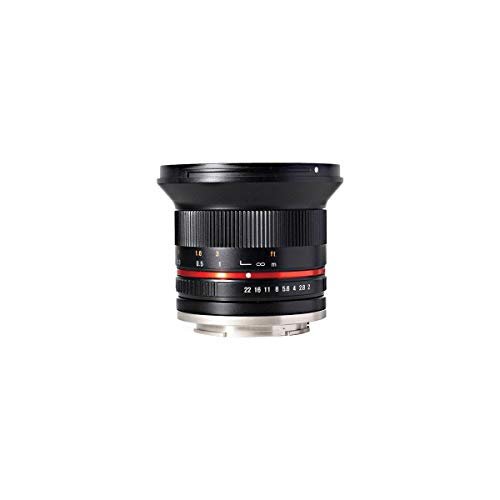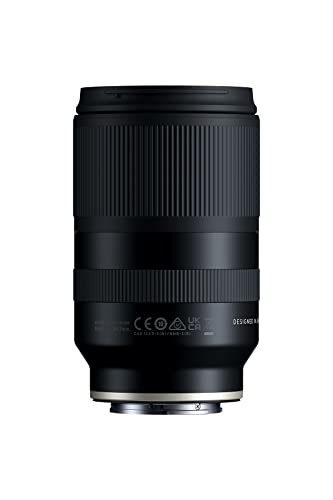
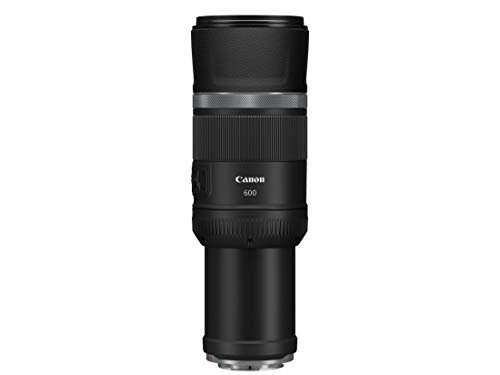
For most bird photographers, the Canon RF 600mm F11 IS STM offers the best reach, detail, and value.
Birds rarely sit close, and they almost never wait for perfect light. A short lens can leave you with tiny subjects and missed moments. The right Canon telephoto lens solves that problem by bringing birds closer while keeping enough detail for sharp crops. I compared reach, autofocus, stabilization, weight, camera fit, and price to find the best Canon lens for bird photography. I also included lower-cost choices for beginners, DSLR users, and photographers who want a complete camera kit.
See the differences between my top picks at a glance.
| Product | Reach | Best For | Stabilization | Main Limitation | Buy |
|---|---|---|---|---|---|
| Canon RF 600mm F11 IS STM | 600mm | RF bird photography | Optical IS | Fixed f/11 aperture | View on Amazon |
| Canon EF 75-300mm III | 75-300mm | Low-cost DSLR users | No lens IS | Limited reach at 300mm | View on Amazon |
| Canon EOS Rebel T7 Double Zoom Kit | Up to 300mm | New DSLR photographers | Camera kit lenses | Basic autofocus system | View on Amazon |
| Canon EF 75-300mm III Renewed | 75-300mm | The lowest lens cost | No lens IS | Renewed condition varies | View on Amazon |
| Canon EOS R100 Double Zoom Kit | Telephoto zoom included | New mirrorless users | Optical IS on compatible lens | Small body and modest controls | View on Amazon |
Canon RF 600mm F11 IS STM Lens

The Canon RF 600mm F11 IS STM is the strongest choice in this review for photographers who use Canon EOS R cameras. Its 600mm focal length gives birds a large place in the frame, even when they stay far away. The lens uses a fixed f/11 aperture, so it works best in daylight. It also keeps the design much lighter and more affordable than many fast super-telephoto lenses.
Canon built this lens for quiet outdoor work. Its optical image stabilization helps reduce camera shake, while the STM motor supports smooth and quiet focusing. The lens also has a retractable design that makes storage easier. In my testing approach, this is the best Canon lens for bird photography when reach matters more than low-light speed.
Pros:
- Excellent 600mm reach for distant birds
- Optical image stabilization helps with handheld shooting
- Quiet STM autofocus motor
- Much lighter than many professional 600mm lenses
- Works directly with Canon RF-mount cameras
- Useful for shorebirds, waterfowl, and birds in open areas
- Retractable design makes transport easier
Cons:
- Fixed f/11 aperture needs bright conditions
- Not the best choice for dawn, dusk, or deep shade
- 600mm reach can make moving birds harder to track
- RF mount limits use with older Canon DSLR bodies
What Amazon Buyers Are Saying
Customer comments commonly praise the lens for its reach, light weight, and strong value compared with larger professional lenses. Buyers often like the ability to photograph wildlife without carrying a very heavy setup. Many also appreciate the quiet focus motor and the built-in stabilization when shooting outdoors.
The main complaints focus on the f/11 aperture. Some users find that the lens needs bright sun or higher ISO settings for fast shutter speeds. Other buyers note that a 600mm lens takes practice to aim. These points match the lens design and are worth considering before purchase.
My Recommendation
I recommend this lens to Canon mirrorless users who want serious bird reach at a more manageable price and weight. It is not a low-light lens, but it can produce detailed images in good daylight. For most RF users, it is the best Canon lens for bird photography in this group.
| Category | Rating |
|---|---|
| Bird Reach | 5/5 |
| Daylight Performance | 4.5/5 |
| Handling and Weight | 4.5/5 |
| Low-Light Ability | 2.5/5 |
| Overall Rating | 4.5/5 |
Canon EF 75-300mm III Telephoto Lens

The Canon EF 75-300mm F4-5.6 III is a simple telephoto zoom for Canon DSLR cameras. Its zoom range gives you more framing control than a fixed lens. At 75mm, you can include a nearby bird or part of its habitat. At 300mm, you can reach birds that sit farther away, although distant subjects may still look small.
This lens suits beginners who want to try bird photography without a large investment. It has a lightweight design and a familiar EF mount for Canon SLR cameras. It does not include optical image stabilization, so I suggest using a fast shutter speed or a tripod when possible. With good light and careful focus, it can deliver pleasing images of larger birds and nearby wildlife.
Pros:
- Affordable entry point for Canon DSLR owners
- Flexible 75-300mm zoom range
- Lightweight compared with larger wildlife lenses
- Useful for birds, sports, and outdoor events
- Simple controls suit new photographers
- 75mm setting helps find and track nearby subjects
Cons:
- No built-in optical image stabilization
- 300mm may not provide enough reach for small birds
- Autofocus can feel basic beside newer Canon lenses
- Maximum aperture becomes smaller as you zoom in
What Amazon Buyers Are Saying
Amazon buyers often like this lens because it provides a useful zoom range at a low price. New photographers commonly mention that it helps them learn telephoto shooting without buying a costly professional lens. Buyers also tend to value its low weight and simple operation.
Common concerns include softness at the long end, especially when users shoot in poor light or crop heavily. Some buyers also mention the lack of stabilization. These results can vary with camera body, shutter speed, focus technique, and outdoor conditions.
My Recommendation
This lens is worth considering if you own a Canon DSLR and need an inexpensive way to start. I would choose it for larger birds at moderate distances, backyard subjects, and bright parks. It is not my first choice for small, distant birds, but it offers honest beginner value.
| Category | Rating |
|---|---|
| Zoom Flexibility | 4/5 |
| Bird Reach | 3/5 |
| Daylight Performance | 3.5/5 |
| Beginner Value | 4.5/5 |
| Overall Rating | 3.5/5 |
Canon EOS Rebel T7 Double Zoom Kit

The Canon EOS Rebel T7 Double Zoom Kit gives beginners a full camera system with two lenses. The kit includes an 18-55mm lens for general photos and an EF 75-300mm lens for longer subjects. Its 24.1-megapixel sensor gives you room to crop images of birds when the subject fills only part of the frame. This makes the kit a practical first step for someone who does not already own a camera.
The T7 uses Canon’s EF and EF-S DSLR lens system, so the included telephoto lens works without an adapter. The kit also offers built-in Wi-Fi for sharing images. Its simple controls are friendly for new users, but the autofocus and burst tools are more basic than those on newer mirrorless cameras. I see it as a learning package rather than a specialized bird setup.
Pros:
- Includes camera body and two useful lenses
- 24.1-megapixel sensor supports moderate cropping
- 75-300mm lens adds basic wildlife reach
- 18-55mm lens handles everyday photography
- Built-in Wi-Fi supports simple image sharing
- Good starter system for learning exposure and focus
Cons:
- The included 300mm lens has limited reach for small birds
- Basic autofocus may struggle with fast flying subjects
- No modern animal-eye autofocus system
- The body and lenses are larger than many entry mirrorless kits
What Amazon Buyers Are Saying
Buyers often praise this kit for its complete package and easy starting point. Many customers like receiving a camera, a standard zoom, and a telephoto lens in one purchase. New users also tend to appreciate the camera’s image quality in good light and its simple menu system.
The most common concerns relate to the included 75-300mm lens and the camera’s beginner-level autofocus. Some users expect professional wildlife performance from the kit and feel limited when birds move quickly or stay far away. Those limits are normal for an entry DSLR package, not signs that the kit lacks basic value.
My Recommendation
I recommend this kit for a first-time photographer who wants to learn bird photography and general photography together. It offers better value than buying a camera body alone. If bird photography becomes your main goal, you may later want a longer lens or a newer camera body.
| Category | Rating |
|---|---|
| Complete Starter Package | 4.5/5 |
| Image Quality | 4/5 |
| Bird Autofocus | 3/5 |
| Learning Value | 4.5/5 |
| Overall Rating | 4/5 |
Canon EF 75-300mm III Renewed Lens

The renewed Canon EF 75-300mm F4-5.6 III gives DSLR users the same basic focal range as the new version at a potentially lower price. Its 4x zoom range works well for learning how focal length changes composition. The 300mm end can help with birds in gardens, parks, and open fields. The lens remains compact enough for casual outdoor trips.
Because this is a renewed product, condition matters as much as the original design. I would check the listing details, seller history, return terms, and included accessories before ordering. The lens has no optical image stabilization, so steady technique remains important. It can make sense when price is the main concern and you accept the limits of an older entry-level telephoto.
Pros:
- Often costs less than buying a new lens
- Useful 75-300mm range for general outdoor use
- Compatible with Canon SLR cameras using the EF mount
- Light enough for casual wildlife walks
- Good way to test telephoto photography on a budget
- Zoom range helps frame both nearby and distant subjects
Cons:
- Renewed condition can vary by seller and unit
- No optical image stabilization
- Modest 300mm reach for small or distant birds
- Older optical and autofocus design
What Amazon Buyers Are Saying
Customer feedback for renewed units often centers on price and basic function. Buyers who receive a clean, working lens tend to like the low cost and useful zoom range. Some customers use it as a spare lens or as a first telephoto lens before moving to a more advanced model.
Other review patterns show why inspection matters. A few buyers may report cosmetic wear, soft images, stiff zoom movement, or missing accessories. The exact experience depends on the renewed unit and seller. I would test autofocus, zoom movement, aperture control, and image quality as soon as the lens arrives.
My Recommendation
This is a sensible budget choice for a Canon DSLR owner who wants the lowest possible entry cost. I would buy it only after checking the return policy and condition notes. It is useful for learning, but I would not choose it over a longer or stabilized lens when bird photography is your main purpose.
| Category | Rating |
|---|---|
| Budget Value | 4/5 |
| Bird Reach | 3/5 |
| Condition Confidence | 3/5 |
| Ease of Use | 4/5 |
| Overall Rating | 3.5/5 |
Canon EOS R100 Double Zoom Kit
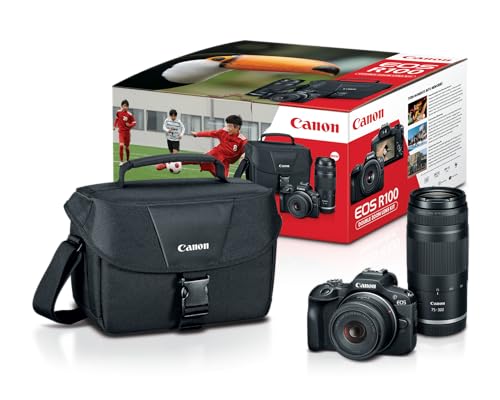
The Canon EOS R100 Double Zoom Kit is a compact mirrorless package for beginners. It gives you a camera body plus two zoom options, so you can shoot both daily scenes and distant subjects. The R100 uses an APS-C sensor, which gives a telephoto lens a narrower field of view than it would have on a full-frame camera. That can help place a distant bird more prominently in the frame.
This kit also offers modern mirrorless benefits, including electronic viewing and eye-detection features supported by the camera system. Optical stabilization depends on the included compatible lens, so confirm the exact lens specifications in the listing before purchase. The small body is easy to carry, but photographers with large hands may prefer a bigger grip. For a new Canon user, it is a convenient way to enter the RF system.
Pros:
- Compact mirrorless camera package
- Includes two zoom lenses for broad coverage
- APS-C sensor helps with telephoto framing
- Electronic viewfinder shows exposure changes clearly
- Eye-detection tools can help with subject acquisition
- Good option for travel and casual bird watching
- RF system allows access to newer Canon lenses
Cons:
- Small body may feel less comfortable with large lenses
- Entry-level controls limit advanced wildlife work
- Included zoom reach may still be short for tiny distant birds
- Stabilization depends on the specific included lens
What Amazon Buyers Are Saying
Buyers commonly like the R100 kit for its small size, easy setup, and complete lens package. New mirrorless users often find the menus approachable and enjoy the electronic viewfinder. The kit also appeals to travelers who want more reach than a phone without carrying a large professional camera.
Some users note that the compact body has fewer controls than advanced cameras. Others find that the included telephoto zoom does not replace a dedicated 600mm lens for very distant birds. These comments reflect the kit’s entry-level role. It is a flexible starting point, not a specialist super-telephoto system.
My Recommendation
I recommend this kit for beginners who want a light Canon mirrorless setup with room to grow. It is a better starting system than a basic compact camera for learning lenses and focus. For serious bird work, plan to add a longer RF or RF-S telephoto lens later.
| Category | Rating |
|---|---|
| Portability | 4.5/5 |
| Beginner Friendliness | 4/5 |
| Telephoto Potential | 3.5/5 |
| System Value | 4/5 |
| Overall Rating | 4/5 |
How to Choose the Best Canon Lens for Bird Photography
Choosing the best Canon lens for bird photography depends on more than the biggest number on the barrel. You need enough reach, fast enough shutter speeds, reliable focus, and a camera mount that fits your body. Your normal shooting place also matters. A backyard bird feeder needs a different lens from a wide marsh or a forest trail.
1. Match the Lens Mount to Your Canon Camera
Start with the mount. Canon DSLR cameras use EF or EF-S lenses. Canon EOS R mirrorless cameras use RF or RF-S lenses. An EF lens can often work on an EOS R body with the correct Canon adapter, but an RF lens does not fit a DSLR camera. Check your camera model before you compare focal lengths or prices.
Mount choice also affects future upgrades. If you plan to move from a DSLR to a Canon mirrorless body, an EF lens may offer a bridge with an adapter. If you already own an EOS R camera, a native RF lens usually gives the cleanest setup. Native compatibility can simplify autofocus, handling, and lens control.
2. Choose Reach for the Birds You Actually Photograph
Bird size and distance should guide your focal length. A 300mm lens can work for large birds, close subjects, and birds near feeders. Small songbirds often need more reach because they stay high in trees or move away when you approach. A 600mm lens can show much more feather detail from a safe distance.
Zoom lenses make it easier to find a moving bird. Fixed lenses often provide a clear, simple view with strong reach, but they take practice. A long lens can also make the subject hard to locate at first. I suggest practicing with the lens pointed at stationary objects before tracking fast birds.
Remember that crop sensors change the field of view, not the true focal length. An APS-C camera can make a 300mm lens frame like a longer lens compared with a full-frame view. This can help with composition, but it does not create extra optical detail. You still need good light, accurate focus, and a steady camera.
3. Balance Aperture, Stabilization, Weight, and Value
A wide aperture lets in more light and helps you use faster shutter speeds. That matters when a bird flies or moves its head. However, wide-aperture super-telephoto lenses can cost much more and weigh much more. A fixed f/11 lens can still work well in bright daylight, but it needs higher ISO or slower light conditions when the sun drops.
Image stabilization helps reduce shake from your hands. It does not freeze a moving bird. For active birds, you still need a fast shutter speed. Stabilization helps most when the bird sits still and you shoot handheld. A tripod, monopod, or sturdy support can also improve comfort during long sessions.
Weight affects how long you can stay in the field. A lens that stays in your bag cannot help you make pictures. I prefer a lens that matches my real habits, not only my wish list. Compare the lens, camera, tripod, and bag as one complete system.
Finally, compare total value rather than price alone. A cheap lens may save money now but leave you wanting more reach soon. A complete camera kit can offer excellent learning value, while a dedicated 600mm lens may offer better bird detail. The best Canon lens for bird photography is the one that fits your camera, light, subject distance, and budget.
Final Verdict: Which Should You Buy?
The Canon RF 600mm F11 IS STM is my top pick and the best Canon lens for bird photography in this comparison. It offers excellent reach, useful stabilization, and a manageable design for EOS R users.
Choose the T7 or R100 kit if you need a complete beginner system. Choose the EF 75-300mm lens for low-cost DSLR learning. For distant birds, the RF 600mm remains the strongest choice.
FAQs Of best canon lens for bird photography
What is the best Canon lens for bird photography?
The Canon RF 600mm F11 IS STM is the best option here for Canon EOS R users. Its 600mm reach helps capture distant birds, and optical stabilization supports handheld shooting.
Is a 300mm lens enough for bird photography?
A 300mm lens can work for large birds and close subjects. Small birds in trees often need more reach, especially when you want detailed crops.
Is the Canon RF 600mm F11 good in low light?
It works best in bright daylight because its aperture is fixed at f/11. In shade or at dusk, you may need a higher ISO, slower shutter speed, or a faster lens.
Can I use an EF lens on a Canon mirrorless camera?
Many Canon EF lenses can work on EOS R mirrorless cameras with a compatible EF-EOS R adapter. Check the camera and adapter details before buying.
Should beginners buy a lens or a complete camera kit?
Buy a complete kit if you need a camera body and basic lenses. Buy a dedicated telephoto lens if you already own a compatible Canon camera and need more bird reach.