
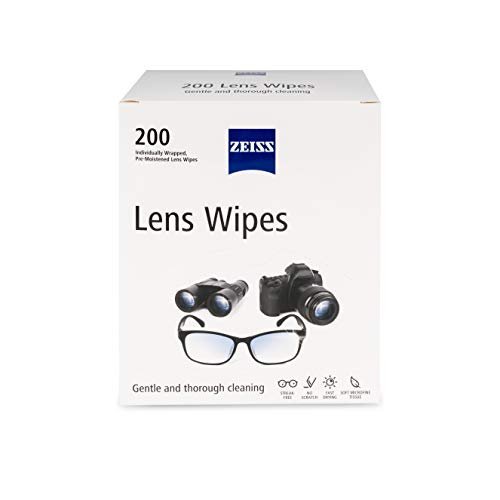
For people in the United States who need a quick way to clean eyeglasses, ZEISS Lens Cleaning Wipes are a practical choice for daily use. They are pre-moistened, individually wrapped, and designed for many prescription lenses, sunglasses, and lens coatings. However, they do not replace a proper rinse and microfiber cloth when lenses have sand, dust, oil, or heavy grime.
This review explains how ZEISS lens wipes work, where they perform well, where they fall short, and how to use them without scratching your glasses. It is a document-based review of the product category and ZEISS care guidance, not a laboratory test or personal hands-on trial.
ZEISS Lens Cleaning Wipes: Quick Verdict
ZEISS Lens Cleaning Wipes are best for fast cleaning when you are away from home, at work, in the car, or traveling in the United States. Their main benefit is convenience. Each wipe is ready to use and easy to carry.
They are a good fit for:
- Prescription eyeglasses
- Reading glasses
- Non-prescription sunglasses
- Many coated lenses
- Phone and tablet screens, only when the package says those surfaces are supported
They are less suitable for:
- Lenses covered in loose grit or sand
- Repeated deep cleaning without rinsing
- Delicate surfaces not listed on the package
- Frames or lenses with damaged coatings
- People seeking the lowest long-term cost
Overall assessment: ZEISS Lens Cleaning Wipes are a useful travel and emergency cleaner. For regular home care, clean water, mild dish soap, and a clean microfiber cloth are usually more economical and allow you to remove grit before wiping.

What Are ZEISS Lens Cleaning Wipes?
ZEISS Lens Cleaning Wipes are single-use, pre-moistened wipes made for cleaning optical surfaces. The wipes are commonly sold in small packets, boxes, and travel-friendly packs through U.S. retailers, optical offices, pharmacies, and online stores.
The wipes are made to remove common marks such as:
- Fingerprints
- Skin oil
- Light dust
- Smudges
- Makeup residue
- Light surface dirt
ZEISS sells several lens-care products, and packaging can vary by market and product version. Always read the label on the exact U.S. pack you buy. Do not assume that a wipe made for eyeglasses is also approved for cameras, screens, helmets, or other surfaces.
Are ZEISS wipes safe for coated lenses?
ZEISS states that its lens-cleaning products are made for modern eyewear and lens coatings when used as directed. This generally includes common anti-reflective, scratch-resistant, and tinted lens treatments.
That does not mean every wipe is safe for every material. Older lenses, damaged coatings, plastic surfaces, and specialty eyewear may have different limits. If the lens maker gives separate cleaning instructions, follow those instructions first.
A wipe also cannot repair:
- Peeling anti-reflective coating
- Deep scratches
- Cloudy coating damage
- Cracks
- Heat damage
- Chemical stains
Cleaning may remove surface dirt, but it will not restore a damaged lens.
ZEISS Lens Cleaning Wipes Review: Main Strengths
The strongest part of the ZEISS wipes is their simple format. You open one packet, wipe the lens, and discard the wipe. There is no spray bottle to carry and no need to measure cleaning fluid.
1. Convenient for travel and work
The small packets fit in a wallet, desk drawer, glove box, backpack, or eyeglass case. They can help when your glasses become hard to see through during a commute, meal, flight, or workday.
They are also useful for households with several pairs of glasses. A box can serve as a shared supply without the mess of an open bottle.
2. Consistent moisture
A pre-moistened wipe provides a measured amount of cleaning fluid. This can be easier than using too much or too little spray.
A wipe that is too dry may drag across the lens. One that is too wet may leave excess liquid around the frame or nose pads. Product age and storage conditions can affect moisture, so discard packets that are dried out or leaking.
3. Fast removal of fingerprints and oil
For normal daily smudges, the wipe should loosen oil and lift it from the surface. A second pass with a clean microfiber cloth may help remove leftover streaks.
The result depends on the condition of the lens. A lens with fine grit needs more care than a lens with only fingerprints.
4. Individually sealed packaging
The sealed packet helps keep each wipe moist and clean until use. It also avoids the contamination that can occur when a reusable cloth is stored loose in a pocket or bag.
The wrapper creates more waste than a washable cloth. That trade-off matters if you clean several pairs of glasses every day.

ZEISS Lens Cleaning Wipes Review: Main Drawbacks
The biggest limitation is not the cleaning formula. It is the risk of wiping grit across the lens.
A dry grain of sand can act like a tiny piece of sandpaper. Even a wipe made for coated lenses may cause fine marks if you rub over loose particles.
1. They are not the best choice for heavy dirt
If your lenses have road dust, beach sand, sawdust, or visible particles, do not start by rubbing with a wipe. Use clean lukewarm water first, if the lens and frame allow it.
For heavy dirt:
- Rinse the lenses under gentle lukewarm water.
- Add a small amount of mild, lotion-free dish soap if needed.
- Rinse again.
- Shake off excess water.
- Dry with a clean microfiber cloth.
Do not use hot water. Heat may harm some frames, lens treatments, or mounted components.
2. They can leave streaks
Streaking may occur when:
- The wipe is nearly dry
- The lens has a heavy oil film
- Too much liquid remains on the lens
- The wipe has picked up dirt
- The final drying step is skipped
- The cloth used afterward is dirty or coated with fabric softener
A clean microfiber cloth usually improves the result. Use a cloth made for lenses, not a shirt, paper towel, tissue, or household towel.
3. The cost is higher than basic home cleaning
Single-use wipes cost more per cleaning than a bottle of mild soap and a washable microfiber cloth. Their value comes from speed and portability, not from the lowest cost.
A simple decision rule works well:
- At home: use rinsing, mild soap, and microfiber.
- Away from home: use a lens wipe when no safer rinse is available.
- In dusty conditions: remove loose particles before wiping.
4. The product range may cause confusion
ZEISS sells different cleaning products for different uses. Some may be designed for lenses, while others may be marketed for screens or broader optical surfaces.
Check the exact product name, surface instructions, and warnings. The words “ZEISS” and “cleaning wipe” alone do not confirm compatibility with every device.
How to Use ZEISS Lens Cleaning Wipes Correctly
Correct technique matters more than brand. Follow these steps for normal fingerprints and light smudges.
Step 1: Inspect the lenses
Hold the glasses under good light. Look for sand, grit, hair, or other particles.
If you see loose particles, rinse the lenses first. Do not press a wipe into visible grit.
Step 2: Wash or sanitize your hands
Dirty fingers can add more oil to the lens. Clean hands also reduce the chance of transferring makeup, lotion, or food residue.
Dry your hands before handling the glasses.
Step 3: Open one packet
Use the wipe soon after opening it. Do not leave the wipe exposed on a desk, dashboard, or other surface.
Step 4: Wipe with light pressure
Use gentle strokes across both sides of each lens. Avoid hard scrubbing. Let the moisture loosen the smudge instead of forcing it off with pressure.
Clean the frame only if the label allows it. Pay attention to the bridge, nose pads, and hinges, where skin oil often builds up.
Step 5: Dry and buff lightly
If the lens remains wet, use a clean, dry microfiber cloth. Make small, gentle passes until the surface looks clear.
Do not use the same cloth if it contains dust, grease, or grit.
Step 6: Check the result
Look through the glasses at a bright wall or window. If you see a haze, repeat the cleaning with a fresh wipe or use the proper rinse method.
If a cloudy patch remains after careful cleaning, the problem may be coating damage rather than dirt.

ZEISS Wipes Compared With Other Eyeglass Cleaning Options
No single cleaning method is best for every situation. The right choice depends on the type of dirt, where you are, and how often you clean your lenses.
| Cleaning method | Best use | Main benefit | Main limitation |
|---|---|---|---|
| ZEISS pre-moistened wipe | Travel and quick cleaning | Ready to use | Single-use and may streak |
| Lens spray and microfiber cloth | Home or office | Reusable and flexible | Requires two items |
| Water and mild dish soap | Heavy dirt and routine home care | Helps remove grit safely | Not always available |
| Dry microfiber cloth | Light final buffing | Simple and reusable | Can spread grit or oil |
| Paper towel or tissue | Not recommended | Easy to find | May shed fibers or scratch |
| Shirt or clothing | Not recommended | Always nearby | Can hold grit and oils |
The practical answer is simple: use a wipe for convenience, but keep a microfiber cloth and a proper rinse routine for better long-term care.
Are ZEISS Lens Wipes Safe for Phones and Screens?
Do not use ZEISS eyeglass wipes on a phone, tablet, laptop, camera, or television unless the specific package says the product is suitable for that surface.
Screens may have:
- Oleophobic coatings
- Anti-glare layers
- Touch-sensitive surfaces
- Manufacturer-specific cleaning limits
- Openings that can allow liquid to enter
Never spray or press liquid into ports, speakers, buttons, seams, or keyboard gaps. Apply only the amount recommended by the device maker.
For electronics, the device manufacturer’s cleaning instructions take priority over a general lens-wipe recommendation.
Common Mistakes That Can Damage Eyeglasses
Many lens problems come from technique rather than the cleaner itself.
Rubbing dry grit
This is one of the most common risks. Rinse first when particles are visible.
Using a dirty microfiber cloth
A cloth can collect sand, skin oil, and makeup. Wash it often with mild detergent and skip fabric softener. Fabric softener can leave a film on the fibers and lens.
Cleaning with household chemicals
Avoid window cleaner, bleach, disinfectant, acetone, ammonia-based products, and strong solvents unless the lens maker specifically approves them.
A product that works on glass windows may damage plastic lenses or coatings.
Using hot water
Hot water can affect some lens treatments and frames. Lukewarm water is the safer general choice.
Wiping with paper products
Paper towels, tissues, napkins, and toilet paper can leave lint or contain rough fibers. They are poor substitutes for a lens cloth.
Continuing after a coating fails
If the lens coating is peeling, cracking, or turning cloudy, more wiping will not fix it. Ask an optician whether the lenses need replacement or whether a warranty may apply.
When Should You Choose ZEISS Lens Cleaning Wipes?
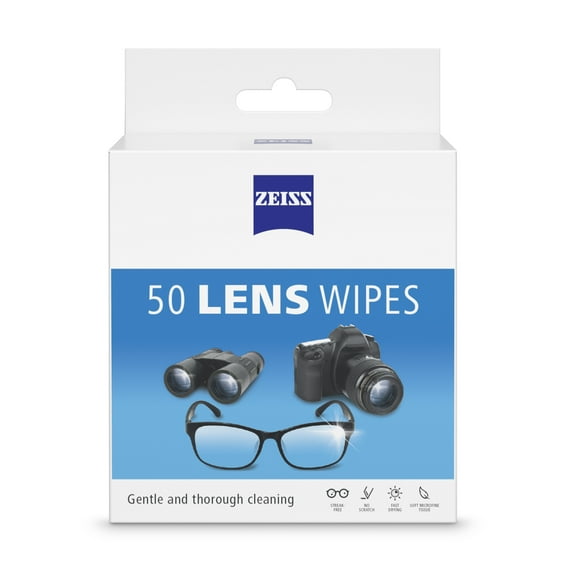
Choose ZEISS wipes when portability and speed matter more than the lowest cost. They are especially useful for commuters, travelers, students, office workers, drivers, and people who need a sealed cleaning option in a bag.
Choose a spray-and-cloth kit when you clean glasses often at home or work.
Choose water and mild soap when lenses have visible dust, sand, or sticky residue. This method gives you a better chance to remove particles before they can drag across the lens.
Simple buying checklist
Before buying, check:
- The exact ZEISS product name
- The surface types listed on the U.S. package
- Whether the wipes are individually wrapped
- The number of wipes in the pack
- The expiration or storage guidance, if shown
- Whether the product is intended for lenses rather than electronics
- Whether you also need a clean microfiber cloth
Do not pay for a large pack if you rarely use wipes. A small travel pack may provide better value.
Evidence, Scope, and Limitations of This Review
This review separates documented product features from general lens-care guidance. The documented points are based on ZEISS product information and care instructions for its lens-cleaning products. General cleaning advice reflects standard optical-care practice: remove grit before rubbing, use a clean lens cloth, avoid harsh chemicals, and follow the lens or device maker’s instructions.
This article does not claim that every ZEISS wipe has the same formula. Product names, packaging, ingredients, and approved surfaces can vary by country and product version. The U.S. package should be treated as the final authority for the product in your hand.
No laboratory testing, coating-durability test, scratch test, or controlled comparison was performed for this review. Therefore, it does not establish that ZEISS wipes clean better than every competing wipe.
Frequently Asked Questions
Do ZEISS Lens Cleaning Wipes expire?
They can dry out over time, especially if stored in heat or if the packet seal is damaged. Check the package for storage information and discard packets that are dry, leaking, or visibly contaminated.
Can I use ZEISS wipes on both sides of my glasses?
Yes, when the specific product is labeled for eyewear. Clean both sides with light pressure, but rinse away visible grit before wiping.
Can ZEISS wipes remove scratches?
No. A wipe may remove dirt that makes a scratch look worse, but it cannot repair a scratched lens or damaged coating.
Should I use a microfiber cloth after a ZEISS wipe?
Use one if liquid or streaks remain. The cloth must be clean and free of grit. A dirty cloth can spread oil or scratch the lens.
Are ZEISS wipes better than lens spray?
Neither is always better. Wipes are easier to carry and use. Spray and microfiber systems are often more economical for frequent cleaning and give you more control at home.
Can I clean my contact lenses with ZEISS wipes?
No. These products are for external surfaces such as eyeglasses or other labeled optical surfaces. They are not contact-lens disinfectants or eye-care products.
Final Verdict: Are ZEISS Lens Cleaning Wipes Worth It?
ZEISS Lens Cleaning Wipes are worth buying if you want a compact, ready-to-use cleaner for fingerprints and light smudges. Their main advantage is convenience, not superior proof of cleaning performance over every other lens wipe.
For the best results, use the right method for the dirt. Rinse away sand and visible particles before wiping. Use a clean microfiber cloth for final drying. Follow the exact instructions on the U.S. package, especially when cleaning surfaces other than eyeglasses.
Recommended approach: keep a small pack of ZEISS wipes for travel or emergencies, but use water, mild soap, and a washable microfiber cloth for regular home cleaning.

